pattern

IELTS Generalの語彙 (スコア6-7) - 思考と決断

ここでは、General Training IELTS試験に必要な思考と決定に関連するいくつかの英語の単語を学びます。

レビュー

フラッシュカード

語形

綴り

クイズ

学習を開始
Vocabulary for General Training IELTS (6-7)
to reflect
to reflect
[動詞]

to contemplate or think deeply about something for insight or understanding

反省する, 深く考える

反省する, 深く考える

Ex: She reflects on her achievements every evening. 
to ponder
to ponder
[動詞]

to give careful thought to something, its various aspects, implications, or possibilities

熟考する, 思い巡らす

熟考する, 思い巡らす

Ex: She pondered her options carefully, weighing the pros and cons of different career paths. 
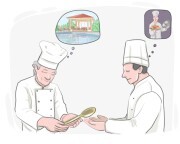
to contemplate

to think about or consider something as a possibility

考慮する, 熟考する

考慮する, 熟考する

Ex: After years of hard work, he decided to contemplate retirement and enjoy a slower pace of life. 
to deliberate

to think carefully about something and consider it before making a decision

熟考する, 慎重に考える

熟考する, 慎重に考える

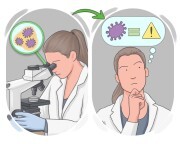
Ex: Before accepting the job offer, she took time to deliberate the pros and cons. 
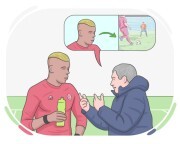
to speculate
to speculate
[動詞]

to form a theory or opinion about a subject without knowing all the facts

推測する, 理論を立てる

推測する, 理論を立てる

Ex: Observing the unusual behavior, scientists began to speculate about the potential causes of the phenomenon. 
to reminisce
to reminisce
[動詞]

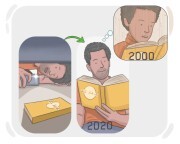
to remember past events, experiences, or memories with a sense of nostalgia

回想する, 懐かしむ

回想する, 懐かしむ

Ex: During the family reunion, they spent hours reminiscing about their childhood adventures. 
to cite
to cite
[動詞]

to refer to something as an example or proof

引用する, 言及する

引用する, 言及する

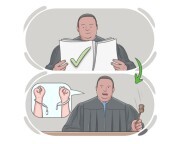
Ex: The lawyer cited similar court cases to argue for his client's innocence. 
to call up
to call up
[動詞]

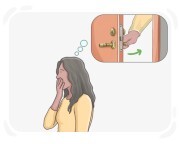
to summon or evoke something from the past, such as memories, emotions, or images

呼び起こす, 思い出させる

呼び起こす, 思い出させる

Ex: The smell of fresh flowers always calls up memories of her grandmother's garden. 
to disregard
to disregard
[動詞]

to intentionally ignore or act without concern for something or someone that deserves consideration

無視する, 軽視する

無視する, 軽視する

Ex: The boss disregarded safety protocols and put workers at risk. 
to acknowledge

to openly accept something as true or real

認める, 受け入れる

認める, 受け入れる

Ex: For the therapy to be effective, one must first acknowledge their feelings and emotions. 
to opt
to opt
[動詞]

to choose something over something else

選ぶ, 選択する

選ぶ, 選択する

Ex: Given the tight schedule, she decided to opt for the quicker route to the airport. 
to elect
to elect
[動詞]

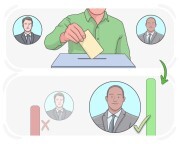
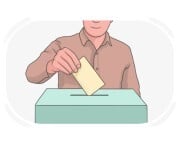
to choose a person for a specific job, particularly a political one, by voting

選出する, 投票で選ぶ

選出する, 投票で選ぶ

Ex: Citizens will elect a new mayor in the upcoming municipal elections. 
to settle on
to settle on
[動詞]

to decide something, after considering all possible alternatives

決める, 選ぶ

決める, 選ぶ

Ex: After much deliberation, she settled on a color for the living room walls. 
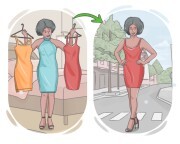
to go for
to go for
[動詞]

to choose something among other things

選ぶ, 選択する

選ぶ, 選択する

Ex: She couldn't decide between the two dresses, so she went for the one with the floral pattern. 
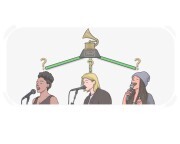
to nominate
to nominate
[動詞]

to assign or designate someone to a particular position or responsibility

指名する, 任命する

指名する, 任命する

Ex: The committee decided to nominate a candidate for the prestigious award. 
to appoint
to appoint
[動詞]

to give a responsibility or job to someone

任命する, 指名する

任命する, 指名する

Ex: The manager decided to appoint a new team leader to oversee the project. 
to designate
to designate
[動詞]

to choose someone for a certain position or task

指名する, 任命する

指名する, 任命する

Ex: The manager will designate a team lead to coordinate the project. 
to adopt
to adopt
[動詞]

to accept, embrace, or incorporate a particular idea, practice, or belief into one's own behavior or lifestyle

採用する, 受け入れる

採用する, 受け入れる

Ex: The organization currently adopts eco-friendly policies to reduce its carbon footprint. 
to single out

to focus on a particular person or thing from a group in either a positive or negative manner

選び出す, 目立たせる

選び出す, 目立たせる

Ex: The teacher singled out the student for their outstanding essay. 
to vote
to vote
[動詞]

to show which candidate one wants to win in an election or which plan one supports, by marking a piece of paper, raising one's hand, etc.

投票する, 票を投じる

投票する, 票を投じる

Ex: Citizens regularly vote in elections to choose their representatives. 
to [keep] {sth} in mind

to remember or consider a particular piece of information or advice

Ex: Keep in mind that the meeting is at 3 PM. 
to conclude
to conclude
[動詞]

to draw a logical inference or outcome based on established premises or evidence

結論づける,  推論する

結論づける, 推論する

Ex: From the patterns observed in the data, researchers concluded that more training would enhance employee performance. 
to embrace
to embrace
[動詞]

to adopt or accept a particular cause, ideology, practice, method, or lifestyle as one's own

受け入れる, 抱擁する

受け入れる, 抱擁する

Ex: After years of resistance, she decided to embrace a healthier lifestyle and started exercising regularly. 
to disapprove

to have an unfavorable opinion or judgment about something

不承認する, 認めない

不承認する, 認めない

Ex: The manager currently disapproves of tardiness in the workplace. 
to evoke
to evoke
[動詞]

to cause someone to recall a memory, feeling, etc.

呼び起こす, 思い出させる

呼び起こす, 思い出させる

Ex: The old song playing on the radio never failed to evoke memories of their first dance. 
to favor
to favor
[動詞]

to prefer someone or something to an alternative

好む, 優先する

好む, 優先する

Ex: I favor spending my weekends in nature rather than in the city. 
LanGeek
LanGeekアプリをダウンロード