
pattern

主要なウォータースポーツの語彙 - Backcountry Skiing

レビュー

フラッシュカード

語形

綴り

クイズ

学習を開始
Key Water Sports Vocabulary
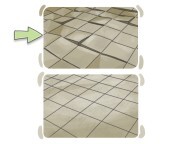
ungroomed
ungroomed
[形容詞]

(of natural terrain) not cleared, leveled, or maintained, often rough, uneven, and more difficult to move through

整備されていない, 自然の

整備されていない, 自然の

Ex: Skiing on ungroomed snow can be tricky because it's full of bumps and loose powder. 
snow
snow
[名詞]

small, white pieces of frozen water vapor that fall from the sky in cold temperatures

雪
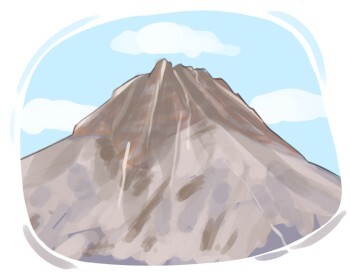
Ex: After the storm, the ground was covered in a thick blanket of snow. 
mountain
mountain
[名詞]

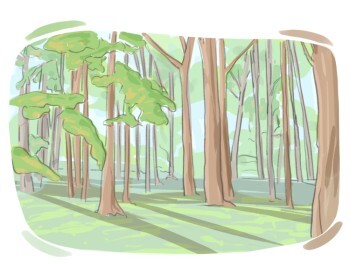
a very tall and large natural structure that looks like a huge hill with a pointed top that is often covered in snow

山, 頂上
山, 頂上

Ex: I took a photo of the mountain peak, capturing its majestic beauty. 
forest
forest
[名詞]

a vast area of land that is covered with trees and shrubs

森
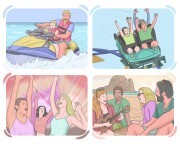
Ex: I love the fresh scent of pine trees in the forest. 
fun
fun
[形容詞]

providing entertainment or amusement

楽しい, 面白い

楽しい, 面白い

Ex: The fun day at the amusement park was filled with laughter and excitement. 
backcountry skiing

a form of skiing performed in remote, unmarked, and typically undeveloped terrain, often accessed by hiking or helicopter

バックカントリースキー, 山岳スキー

バックカントリースキー, 山岳スキー

Ex: Backcountry skiing offers untouched powder snow. 
winter
winter
[名詞]

the season that comes after fall and in most countries winter is the coldest season

冬
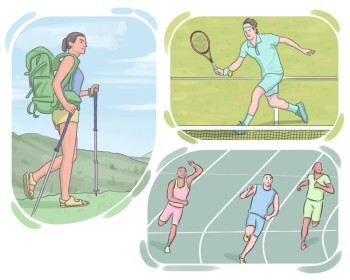
Ex: It's fun to go skiing or snowboarding on the mountains in winter. 
sport
sport
[名詞]

a physical activity or competitive game with specific rules that people do for fun or as a profession

スポーツ
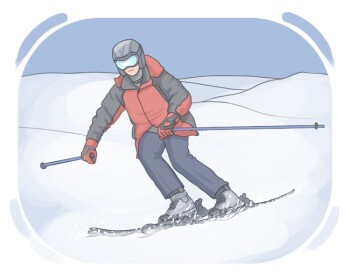
スポーツ

Ex: Basketball is a dynamic sport that demands quick thinking and agility. 
skier
skier
[名詞]

a person who participates in the sport of skiing, which involves sliding downhill on snow using skis attached to boots

スキーヤー, スキーをする人

スキーヤー, スキーをする人

Ex: The skier glided effortlessly down the steep slope. 
to travel
to travel
[動詞]

to go from one location to another, particularly to a far location

旅行する, 移動する
旅行する, 移動する

Ex: He travels for work and often visits different cities for business meetings. 
natural
natural
[形容詞]

originating from or created by nature, not made or caused by humans

自然の, 天然の

自然の, 天然の

Ex: She prefers using natural ingredients in her skincare products to avoid harsh chemicals. 
adventurous
adventurous
[形容詞]

(of a person) eager to try new ideas, exciting things, and take risks

冒険的な,  大胆な

冒険的な, 大胆な

Ex: She's an adventurous traveler, always seeking out new destinations and immersive cultural experiences. 
outdoors
outdoors
[副詞]

not inside a building or enclosed space

屋外で, 野外で

屋外で, 野外で

Ex: After dinner, we decided to eat dessert outdoors under the stars. 
year
year
[名詞]

a period of time that is made up of twelve months, particularly one that starts on January first and ends on December thirty-first

年, 年度
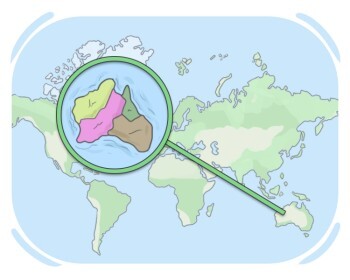
年, 年度

Ex: I'm looking forward to the new year and the opportunities it may bring. 
area
area
[名詞]

a particular part or region of a city, country, or the world

地域, 区域
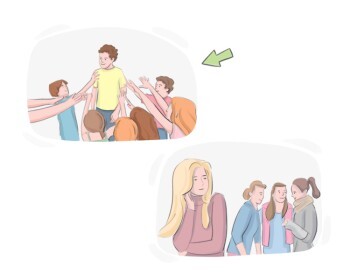
地域, 区域

Ex: The area around the lake is a popular picnic spot. 
popular
popular
[形容詞]

receiving a lot of love and attention from many people

人気のある, 愛されている
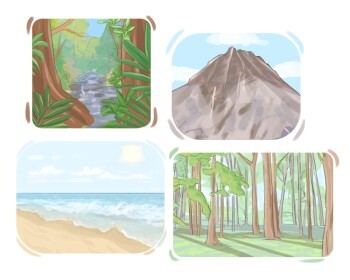
人気のある, 愛されている

Ex: Harry Potter books are very popular among teenagers. 
nature
nature
[名詞]

everything that exists or happens on the earth, excluding things that humans make or control

自然, 自然環境
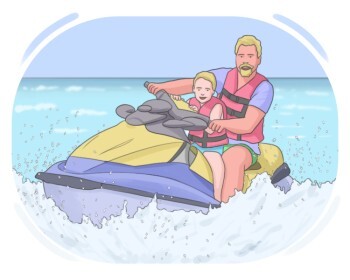
自然, 自然環境

Ex: Can you hear the sound of nature? 
adventure
adventure
[名詞]

an exciting or unusual experience, often involving risk or physical activity

冒険, アドベンチャー

冒険, アドベンチャー

Ex: They embarked on a thrilling adventure, exploring remote jungles and scaling towering peaks. 
equipment
equipment
[名詞]

the necessary things that you need for doing a particular activity or job

装備, 器材
装備, 器材

Ex: She packed her camping equipment, including a tent and a sleeping bag. 
regular
regular
[形容詞]

following a pattern, especially one with fixed or uniform intervals

定期的な, 通常の
定期的な, 通常の

Ex: The company follows a regular process for handling customer complaints. 
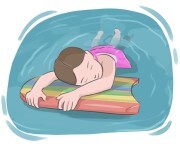
to float
to float
[動詞]

to be in motion on a body of water or current of air at a slow pace

浮かぶ, 漂う

浮かぶ, 漂う

Ex: As the paper boat was set adrift, it started to float lazily along the tranquil pond. 
deep
deep
[形容詞]

having a great distance from the surface to the bottom

深い
深い

Ex: The ocean is incredibly deep, with some parts reaching depths of over 36,000 feet. 
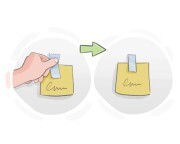
to stick
to stick
[動詞]

to fix an object to another, usually with glue or another similar substance

貼る, 固定する
貼る, 固定する

Ex: I need to stick this photo to the page of my scrapbook. 
bottom
bottom
[名詞]

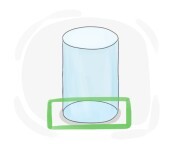
the lowest part or point of something

底, 下部

底, 下部

Ex: He's waiting at the bottom of the stairs, ready to greet everyone as they arrive. 
uphill
uphill
[副詞]

in the direction going up a hill or slope

上り坂に, 上に向かって

上り坂に, 上に向かって

Ex: They climbed uphill slowly, enjoying the breathtaking view of the valley below. 
strong
strong
[形容詞]

having a lot of physical power

強い, 力強い
強い, 力強い

Ex: He was able to lift the heavy box because he was so strong. 
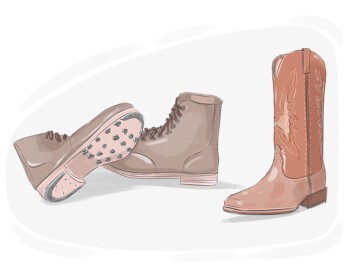
boot
boot
[名詞]

a type of strong shoe that covers the foot and ankle and often the lower part of the leg

ブーツ
ブーツ

Ex: I love the sound of my boots clicking on the wooden floor. 
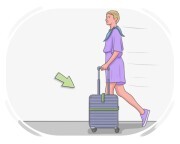
to carry
to carry
[動詞]

to hold someone or something and take them from one place to another

運ぶ, 持ち運ぶ
運ぶ, 持ち運ぶ

Ex: She used a backpack to carry her books to school. 
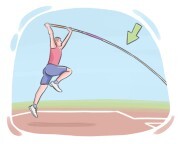
pole
pole
[名詞]

a sports equipment made of fiberglass, used for vaulting over a high bar

ポール, 棒

ポール, 棒

Ex: The pole snapped during the competition, but the athlete was unharmed. 
to balance
to balance
[動詞]

to keep something in a stable and even position, typically by adjusting or redistributing weight

バランスをとる, 均衡を保つ
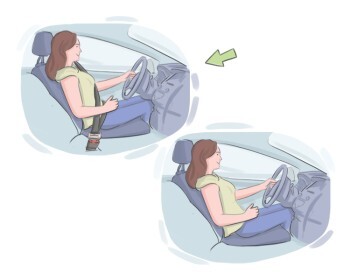
バランスをとる, 均衡を保つ

Ex: She managed to balance the tray of drinks as she walked across the room. 
safety
safety
[名詞]

the condition of being protected and not affected by any potential risk or threat

安全, 安全性

安全, 安全性

Ex: The company prioritizes safety by regularly inspecting equipment and training employees to avoid accidents. 
important
important
[形容詞]

having a lot of value

重要な, 決定的な

重要な, 決定的な

Ex: Conserving water is important for the sustainable use of natural resources. 
careful
careful
[形容詞]

giving attention or thought to what we are doing to avoid doing something wrong, hurting ourselves, or damaging something

注意深い, 慎重な

注意深い, 慎重な

Ex: Be careful when crossing the street. 
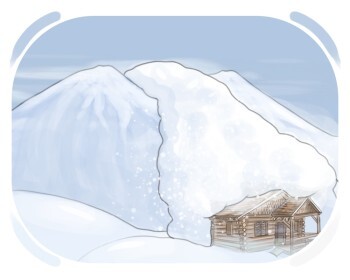
avalanche
avalanche
[名詞]

large amounts of snow falling from mountains

雪崩

雪崩

Ex: Rescue teams were dispatched to the area after the avalanche. 
danger
danger
[名詞]

the likelihood of experiencing harm, damage, or injury

危険,  リスク

危険, リスク

Ex: Drinking and driving poses a danger. 
gear
gear
[名詞]

a collection of equipment or tools required for a specific activity, operation, or sport

装備, ギア

装備, ギア

Ex: The hikers packed all the necessary gear for their mountain expedition. 
avalanche transceiver

a small electronic device worn by skiers, snowboarders, or mountaineers in avalanche-prone areas that sends and receives radio signals to help locate people buried under snow

アバランチトランシーバー, 雪崩遭難者探知機

アバランチトランシーバー, 雪崩遭難者探知機

Ex: Every skier in the backcountry group wore an avalanche transceiver for safety. 
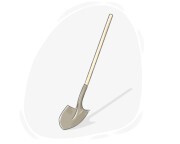
shovel
shovel
[名詞]

a tool that has a long handle with a broad curved metal end, used for moving snow, soil, etc.

シャベル, スコップ

シャベル, スコップ

Ex: He found a lightweight shovel useful for camping trips. 
probe
probe
[名詞]

a small tool or device that is placed inside something to test it or gather information

プローブ, 探査機

プローブ, 探査機

Ex: The scientists inserted a probe into the soil to measure moisture levels. 
group
group
[名詞]

a number of things or people that have some sort of connection or are at a place together

グループ, 集団
グループ, 集団

Ex: A group of children were playing in the park. 
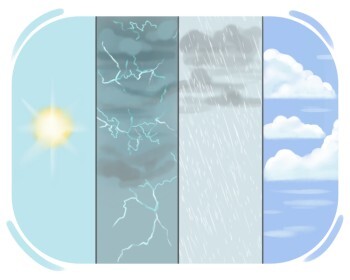
weather
weather
[名詞]

things that are related to air and sky such as temperature, rain, wind, etc.

天気, 気候
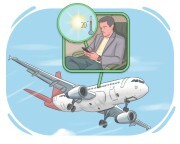
天気, 気候

Ex: I check the weather forecast every morning to plan my outfit. 
condition
condition
[名詞]

the state of something at a particular time

状態, 条件

状態, 条件

Ex: He checked the condition of the tires before the long road trip. 
skill
skill
[名詞]

an ability to do something well, especially after training

スキル, 技能

スキル, 技能

Ex: After years of practice, her skill in playing the guitar became exceptional. 
fitness
fitness
[名詞]

the state of being in good physical condition, typically as a result of regular exercise and proper nutrition

フィットネス, 体力

フィットネス, 体力

Ex: His dedication to fitness is evident in his daily workout routine. 
uneven
uneven
[形容詞]

not level, smooth, or uniform in shape or texture

でこぼこした, 不均一な

でこぼこした, 不均一な

Ex: The hikers struggled to walk on the uneven ground. 
strong
strong
[形容詞]

having a lot of physical power

強い, 力強い
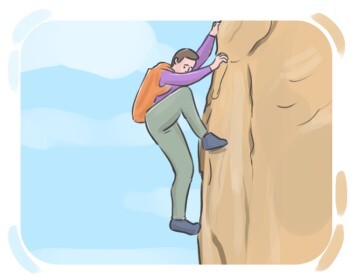
強い, 力強い

Ex: He was able to lift the heavy box because he was so strong. 
to climb
to climb
[動詞]

to go up mountains, cliffs, or high natural places as a sport

登る, クライムする
登る, クライムする

Ex: He likes to climb mountains on weekends. 
training
training
[名詞]

the process during which someone learns the skills needed in order to do a particular job

訓練, トレーニング
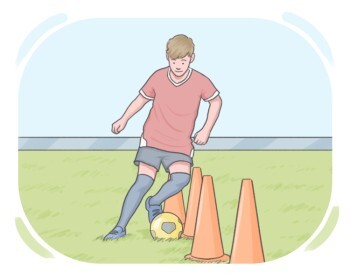
訓練, トレーニング

Ex: The new employees underwent intensive training to learn company policies and procedures. 
to practice
to practice
[動詞]

to do or play something many times to become good at it

練習する, 訓練する

練習する, 訓練する

Ex: Musicians regularly practice their instruments to improve their skills. 
safely
safely
[副詞]

in a way that avoids harm or danger

安全に, 危害を避けて

安全に, 危害を避けて

Ex: The lifeguard watched the swimmers carefully to ensure they played safely in the pool. 
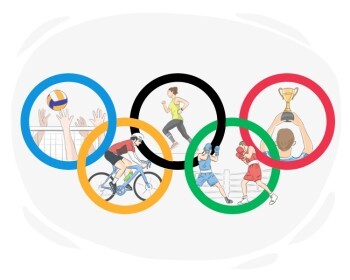
the Olympic Games

a global sporting event held every four years, where athletes from around the world compete in various sports for medals

オリンピック

オリンピック

Ex: Athletes trained for years to qualify for the Olympic Games. 
beautiful
beautiful
[形容詞]

extremely pleasing to the mind or senses

美しい, 素晴らしい

美しい, 素晴らしい

Ex: He painted a beautiful portrait of his sister. 
all over the (world|globe)

in every part of the world

Ex: The brand is recognized all over the world. 
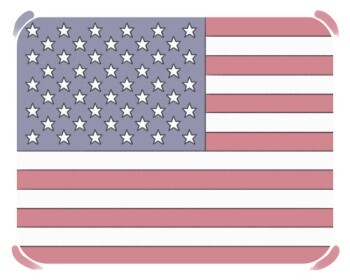
the United States

a country in North America that has 50 states

アメリカ合衆国
アメリカ合衆国

Ex: English is the primary language spoken in the United States. 
Canada
Canada
[名詞]

the second largest country in the world that is in the northern part of North America

カナダ
カナダ

Ex: Canada celebrates its national day, Canada Day, on July 1st. 
Europe
Europe
[名詞]

the second smallest continent‌, next to Asia in the east, the Atlantic Ocean in the west, and the Mediterranean Sea in the south

ヨーロッパ
ヨーロッパ

Ex: Europe has a well-developed transportation system. 
amazing
amazing
[形容詞]

extremely surprising, particularly in a good way

驚くべき, 素晴らしい

驚くべき, 素晴らしい

Ex: The fireworks display was absolutely amazing, lighting up the entire sky. 
untouched
untouched
[形容詞]

remaining unaffected or unaltered by external influences or factors

手つかずの, 影響を受けていない

手つかずの, 影響を受けていない

Ex: The untouched landscape remained pristine and unspoiled by human activity. 
wildlife
wildlife
[名詞]

all wild animals, considered as a whole, living in the natural environment

野生生物, 野生動物

野生生物, 野生動物

Ex: The national park is home to a variety of wildlife, including bears and wolves. 
to explore
to explore
[動詞]

to visit places one has never seen before

探検する, 発見する

探検する, 発見する

Ex: She explores new neighborhoods every weekend to discover hidden gems. 
LanGeek
LanGeekアプリをダウンロード