
pattern

航空輸送の語彙 - 貨物機

レビュー

フラッシュカード

語形

綴り

クイズ

学習を開始
Air Transportation Vocabulary
cargo plane
cargo plane
[名詞]

a large aircraft designed to carry goods instead of passengers

貨物飛行機, 輸送機

貨物飛行機, 輸送機

Ex: The cargo plane delivered medical supplies to the island. 
special
special
[形容詞]

designed or set aside for a specific purpose or need, often different from what is commonly available

特別な, 特殊な
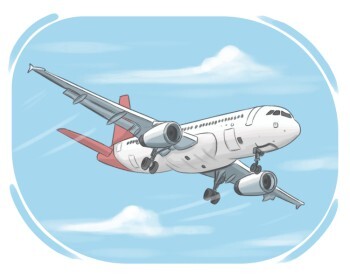
特別な, 特殊な

Ex: The chef prepared a special dish for the event, tailored to the guests' tastes. 
airplane
airplane
[名詞]

a flying vehicle with fixed wings that moves people and goods from one place to another through sky

飛行機, 航空機
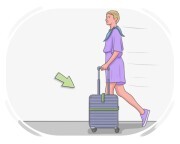
飛行機, 航空機

Ex: I always feel excited when the airplane takes off. 
to carry
to carry
[動詞]

to hold someone or something and take them from one place to another

運ぶ, 持ち運ぶ
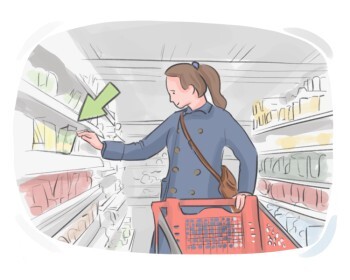
運ぶ, 持ち運ぶ

Ex: She used a backpack to carry her books to school. 
goods
goods
[名詞]

items made or produced for sale

商品,  製品

商品, 製品

Ex: The store offers a wide range of goods, from fresh produce to handmade crafts. 
plane
plane
[名詞]

a winged flying vehicle driven by one or more engines

飛行機
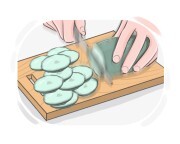
飛行機

Ex: The plane soared gracefully through the clouds. 
quickly
quickly
[副詞]

with a lot of speed

速く,  迅速に

速く, 迅速に

Ex: She finished the race quickly, crossing the finish line first. 
company
company
[名詞]

an organization that does business and earns money from it

会社, 企業

会社, 企業

Ex: He invested his savings in a small startup company. 
military
military
[名詞]

the armed forces of a country

軍隊, 武装勢力

軍隊, 武装勢力

Ex: The military conducted a series of training exercises near the border. 
emergency services

the people and organizations that help in urgent situations

緊急サービス, 救急隊

緊急サービス, 救急隊

Ex: Emergency services arrived quickly to extinguish the fire. 
at first
at first
[副詞]

in the beginning of a situation or stage

最初は, 初めに

最初は, 初めに

Ex: At first, the new job seemed challenging, but she quickly adapted. 
passenger plane

a large aircraft designed to carry people from one location to another

旅客機, 旅客航空機

旅客機, 旅客航空機

Ex: He works as a steward on a passenger plane. 
mail
mail
[名詞]

letters and packages sent and delivered by post

郵便, 手紙

郵便, 手紙

Ex: Every day, he checks the mailbox for his mail. 
package
package
[名詞]

a box or container in which items are packed

小包, パッケージ

小包, パッケージ

Ex: She received a package in the mail containing her new shoes. 
cargo
cargo
[名詞]

goods on board an aircraft, ship, or vehicle, being transported

貨物,  積荷

貨物, 積荷

World War II
World War II
[名詞]

the war that took place from the year 1939 to 1945 between the axis and the allies

第二次世界大戦, 世界大戦II
第二次世界大戦, 世界大戦II

to build
to build
[動詞]

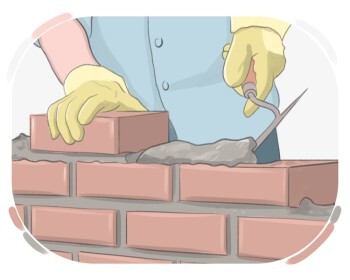
to put together different materials such as brick to make a building, etc.

建てる, 建設する
建てる, 建設する

Ex: The construction crew is building a new office complex downtown. 
supply
supply
[名詞]

(plural) necessary things, such as food, medicines, clothes, etc. for a group of people

供給品、物資
供給品、物資

Ex: Humanitarian organizations rushed to provide emergency supplies to the disaster-stricken region. 
soldier
soldier
[名詞]

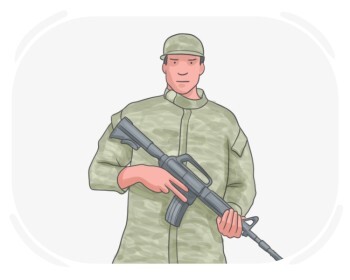
someone who serves in an army, particularly a person who is not an officer

兵士, 軍人
兵士, 軍人

Ex: Every soldier must undergo rigorous training. 
famous
famous
[形容詞]

known by a lot of people

有名な, 著名な

有名な, 著名な

Ex: The famous singer performed to a sold-out crowd at the arena. 
troops
troops
[名詞]

groups of soldiers organized for military operations, often used to refer collectively to military personnel or forces in a particular area or situation

軍隊, 軍事力

軍隊, 軍事力

Ex: The troops were stationed at the border to ensure national security. 
war
war
[名詞]

a state of armed fighting between two or more groups, nations, or states

戦争
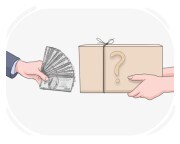
戦争

Ex: The soldiers marched off to battle, prepared to defend their country in war. 
commercial
commercial
[形容詞]

related to the purchasing and selling of different goods and services

商業の
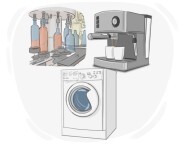
商業の

Ex: Commercial transactions involve the exchange of goods or services for money. 
machine
machine
[名詞]

any piece of equipment that is mechanical, electric, etc. and performs a particular task

機械, 装置

機械, 装置

Ex: The factory installed new machines to increase production efficiency. 
up to
up to
[前置詞]

indicating that the quantity or count mentioned does not exceed a specified value

まで, 最大で

まで, 最大で

Ex: The restaurant can accommodate up to 5 people at each table. 
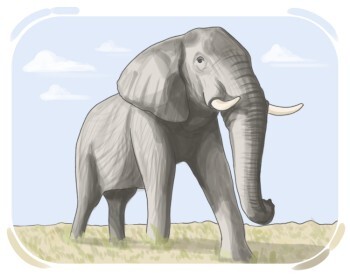
elephant
elephant
[名詞]

an animal that is very large, has thick gray skin, four legs, a very long nose that is called a trunk, and mostly lives in Asia and Africa

象, ゾウ
象, ゾウ

Ex: Elephants are known for their intelligence and remarkable memory. 
floor
floor
[名詞]

the bottom of a room that we walk on

床, フロア
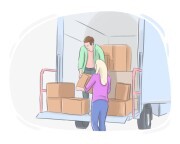
床, フロア

Ex: He swept the floor to remove the dust and dirt. 
to load
to load
[動詞]

to fill or pack a space with the specified items

積み込む, 満たす
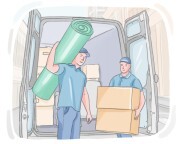
積み込む, 満たす

Ex: The cargo plane was loaded with relief supplies to be transported to the disaster-stricken area. 
to unload
to unload
[動詞]

to empty a vehicle or container by taking out the cargo or contents

荷を降ろす, 空にする

荷を降ろす, 空にする

Ex: After reaching the warehouse, the workers promptly unloaded the truck. 
ramp
ramp
[名詞]

a sloping surface that connects two areas at different heights, commonly used for easy access

ランプ, 傾斜

ランプ, 傾斜

Ex: The wheelchair ramp is located at the building entrance. 
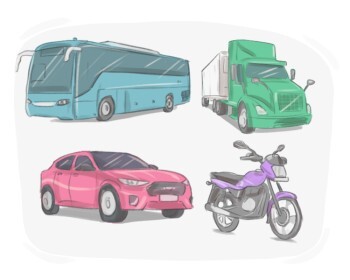
vehicle
vehicle
[名詞]

a means of transportation used to carry people or goods from one place to another, typically on roads or tracks

車両, 自動車
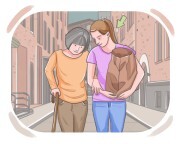
車両, 自動車

Ex: Cars, buses, and trucks are all types of vehicles. 
useful
useful
[形容詞]

providing help when needed

役に立つ, 便利な

役に立つ, 便利な

Ex: The first aid kit is packed with supplies, making it incredibly useful in emergencies. 
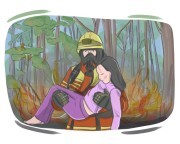
to deliver
to deliver
[動詞]

to rescue someone or something from harm or danger

救う, 解放する
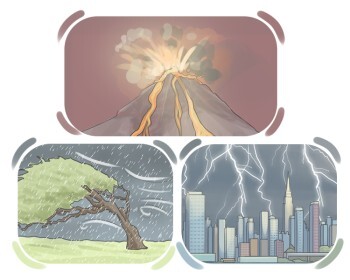
救う, 解放する

Ex: Charities aim to deliver children from the cycle of abuse and neglect. 
disaster
disaster
[名詞]

a sudden and unfortunate event that causes a great amount of death and destruction

災害,  惨事
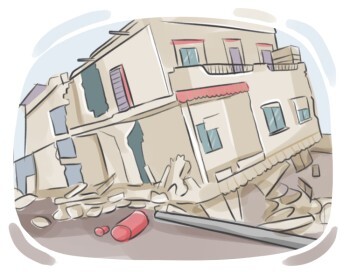
災害, 惨事

Ex: After the disaster, the community came together to support each other. 
earthquake
earthquake
[名詞]

the sudden movement and shaking of the earth's surface, usually causing damage

地震, 震災

地震, 震災

Ex: People ran out of their homes when the earthquake started. 
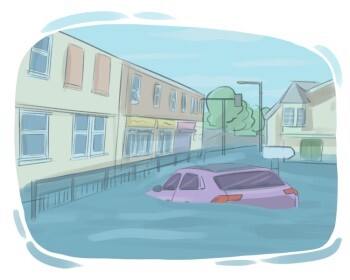
flood
flood
[名詞]

the rising of a body of water that covers dry places and causes damage

洪水, 大水

洪水, 大水

Ex: After the flood, many people were left homeless. 
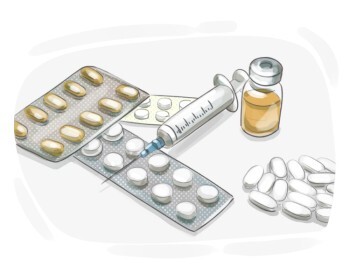
medicine
medicine
[名詞]

a substance that treats injuries or illnesses

薬, 医学
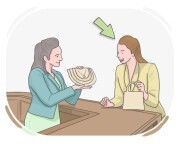
薬, 医学

Ex: The doctor prescribed medicine for her cough. 
customer
customer
[名詞]

a person, organization, company, etc. that pays to get things from businesses or stores

顧客, 買い手

顧客, 買い手

Ex: The customer couldn't find the dress in her size. 
all over the (world|globe)

in every part of the world

Ex: The brand is recognized all over the world. 
to take
to take
[動詞]

to need a specific amount of time to do something or for something to be done or happen

かかる, 必要とする
かかる, 必要とする

Ex: Learning a new language can take several months of consistent practice. 
to take off
to take off
[動詞]

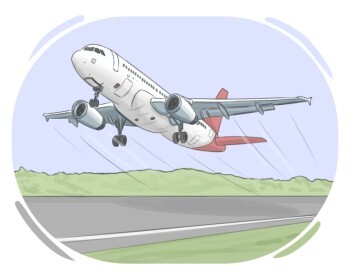
to leave a surface and begin flying

離陸する, 飛び立つ

離陸する, 飛び立つ

Ex: The airplane is ready to take off from the runway. 
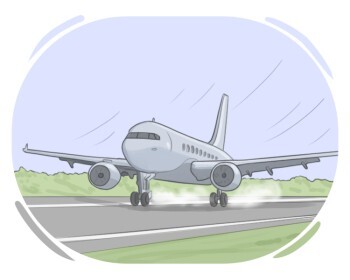
to land
to land
[動詞]

to arrive and rest on the ground or another surface after being in the air

着陸する, 降りる
着陸する, 降りる

Ex: The plane lands smoothly on the runway. 
rough
rough
[形容詞]

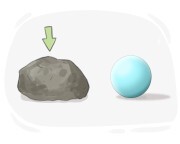
having an uneven or jagged texture

粗い, でこぼこした

粗い, でこぼこした

Ex: His hands were calloused and rough from years of manual labor. 
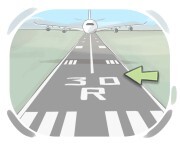
runway
runway
[名詞]

a strip of ground with a hard surface on which aircraft land or take off from

滑走路, ランウェイ

滑走路, ランウェイ

Ex: The plane slowly moved toward the runway. 
LanGeek
LanGeekアプリをダウンロード