책 Solutions - 기초 - 유닛 7 - 7H

여기에서는 Solutions Elementary 교과서의 7과 - 7H에서 "나중에", "결국", "순간" 등의 어휘를 찾을 수 있습니다.

review-disable

리뷰

flashcard-disable

플래시카드

spelling-disable

철자법

quiz-disable

퀴즈

학습 시작
책 Solutions - 기초
ago [부사]
اجرا کردن

전에

Ex: I finished reading that book a month ago .

나는 그 책을 한 달 전에 다 읽었어요.

afterward [부사]
اجرا کردن

이후

Ex: Afterward , the storm subsided , leaving behind a tranquil evening .

그 후, 폭풍이 가라앉으며 고요한 저녁이 찾아왔다.

then [부사]
اجرا کردن

그런 다음

Ex: He knocked on the door , then waited for a response .

그는 문을 두드린 후, 그 다음 답을 기다렸다.

in the end [부사]
اجرا کردن

결국

Ex: In the end , the project was a huge success , despite the setbacks .

결국, 그 프로젝트는 좌절에도 불구하고 큰 성공이었다.

last [형용사]
اجرا کردن

마지막

Ex: Last summer , we traveled to Italy for vacation .

지난 여름, 우리는 휴가를 위해 이탈리아로 여행을 갔다.

recently [부사]
اجرا کردن

최근에

Ex: The company introduced a new product recently .

그 회사는 최근에 새로운 제품을 소개했습니다.

later [부사]
اجرا کردن

나중에

Ex: She plans to travel to Europe later , once her schedule clears up .

그녀는 일정이 정리되면 나중에 유럽으로 여행할 계획입니다.

next [형용사]
اجرا کردن

다음

Ex: We will discuss this topic in our next meeting .

우리는 다음 회의에서 이 주제를 논의할 것입니다.

loud [형용사]
اجرا کردن

시끄러운

Ex: The loud drumming during the dramatic finale heightened the intensity of the performance .

극적인 피날레 동안 북 소리는 공연의 강도를 높였습니다.

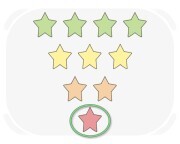
bad [형용사]
اجرا کردن

나쁜

Ex: He apologized for the bad joke he made earlier .

그는 이전에 했던 나쁜 농담에 대해 사과했다.

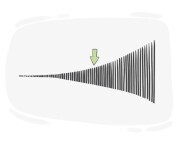
good [형용사]
اجرا کردن

좋은

Ex: The cake tasted so good that everyone wanted a second slice .

케이크가 너무 맛있어서 모두가 두 번째 조각을 원했습니다.

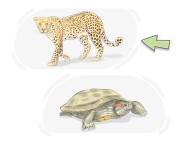
fast [형용사]
اجرا کردن

빠른

Ex: The fast train arrived at the destination in no time .

빠른 기차가 순식간에 목적지에 도착했습니다.

dangerous [형용사]
اجرا کردن

위험한

Ex: She 's allergic to bees ; a sting can be dangerous for her .

그녀는 벌에 알레르기가 있습니다; 쏘이지 않으면 그녀에게 위험할 수 있습니다.
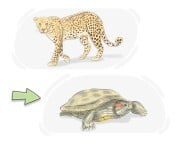
slow [형용사]
اجرا کردن

느린

Ex: The slow elevator took a long time to reach the desired floor .

느린 엘리베이터는 원하는 층에 도달하는 데 오랜 시간이 걸렸습니다.

week [명사]
اجرا کردن

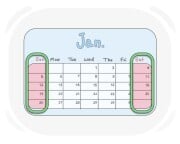
Ex: My wife enjoys reading books in her free time during the week .

제 아내는 중에 자유 시간에 책 읽기를 즐깁니다.

day [명사]
اجرا کردن

Ex: Let 's plan a movie night for this Saturday , it will be a fun day .

이번 토요일에 영화 밤을 계획해 봅시다, 재미있는 이 될 거예요.

moment [명사]
اجرا کردن

순간

Ex: The play was paused for a moment due to technical issues .

기술적 문제로 인해 연극이 순간 멈�습니다.

weekend [명사]
اجرا کردن

주말

Ex: Weekends allow me to take a break from work and recharge for the next week .

주말은 일에서 벗어나 휴식을 취하고 다음 주를 위해 재충전할 수 있게 해줍니다.
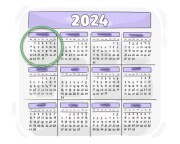
month [명사]
اجرا کردن

Ex: My favorite month is December because of the holidays .

내가 가장 좋아하는 은 휴일 때문에 12월입니다.

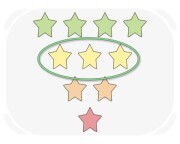
few [한정사]
اجرا کردن

적은

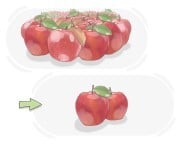
Ex:

나는 프로젝트를 위해 몇 가지 아이디어를 가지고 있었다.