
Początkujący 1 - Uczucia
Tutaj nauczysz się niektórych angielskich słów o uczuciach, takich jak "szczęśliwy", "zmęczony" i "podekscytowany", przygotowanych dla uczniów na poziomie początkującym.
Przegląd
Fiszki
formy
Pisownia
Test


to experience a particular emotion

czuć, doznawać

emotionally feeling good or glad
szczęśliwy,zadowolony, feeling good or glad

emotionally bad or unhappy
smutny,zasmucony, feeling bad or unhappy

to make happy sounds and move our face like we are smiling because something is funny
śmiać się, wybuchnąć śmiechem

to feel that someone or something is good, enjoyable, or interesting
lubić, cieszyć się

liked or preferred the most among the rest that are from the same category
ulubiony, preferowany

to have very strong feelings for someone or something that is important to us and we like a lot and want to take care of
kochać, uwielbiać

the very strong emotion we have for someone or something that is important to us and we like a lot and want to take care of
miłość

to really not like something or someone
nienawidzić, nie znosić

feeling very annoyed because of something that we do not like
zły,wściekły, feeling very bad because of something

feeling very happy, interested, and energetic
podekscytowany,rozemocjonowany, very happy and full of energy

tired and unhappy because there is nothing to do or because we are no longer interested in something
znudzony, znudzony
Jest znudzony, ponieważ nie ma nic do roboty w domu.
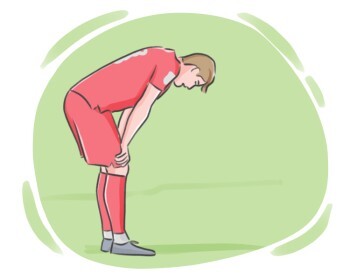
needing to sleep or rest because of not having any more energy
zmęczony, wyczerpany
Pielęgniarka była zmęczona, ale kontynuowała swoją zmianę, aby opiekować się pacjentami.
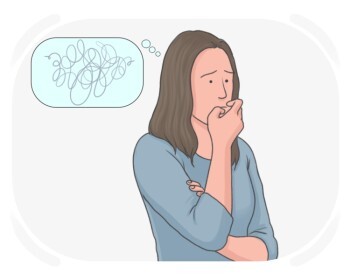
getting a bad and anxious feeling from a person or thing because we think something bad or dangerous will happen
przestraszony, bojaźliwy
Dziecko boi się głośnych dźwięków.
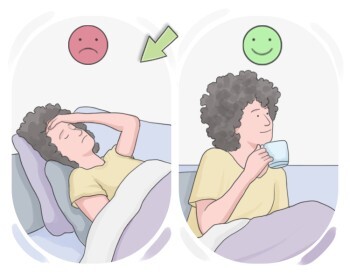
not in a good and healthy physical or mental state
chory, mdłości

to want something or someone that we must have if we want to do or be something
potrzebować, wymagać
