
Książka Total English - Podstawowy - Jednostka 7 - Lekcja 1
Tutaj znajdziesz słownictwo z Unit 7 - Lesson 1 w podręczniku Total English Elementary, takie jak "rozwiązywać", "nudny", "mecz" itp.
Przegląd
Fiszki
formy
Pisownia
Test
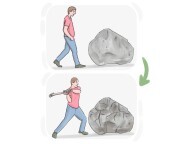
to find an answer or solution to a question or problem

rozwiązywać, rozstrzygać
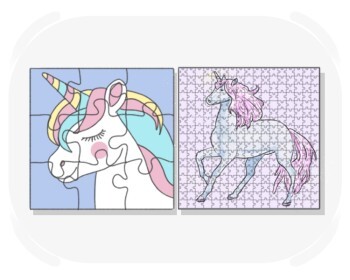
a picture on a cardboard that is cut into different pieces and one should fit them together in order for the picture to become whole again
układanka, puzzle
Ona cieszy się relaksującym procesem znajdowania odpowiednich kawałków do swojej układanki.
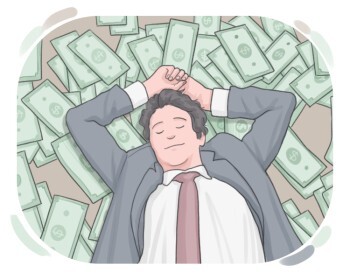
owning a great amount of money or things that cost a lot
bogaty, zamożny
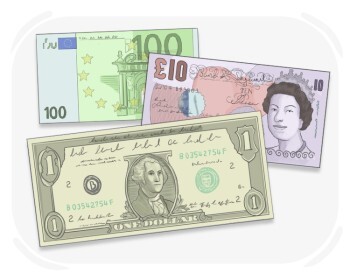
a written or printed piece of paper that represents a specific value and is issued as a form of currency by a government or financial institution
banknot, bilet bankowy

a competition in which two players or teams compete against one another such as soccer, boxing, etc.
mecz
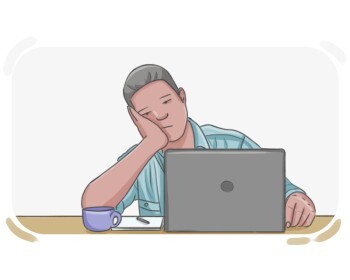
making us feel tired and unsatisfied because of not being interesting
nudny, męczący

not like another thing or person in form, quality, nature, etc.
inny
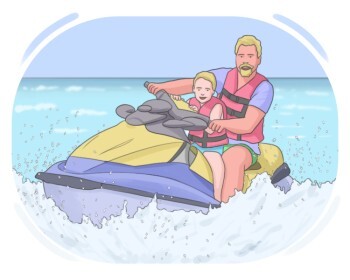
making us feel interested, happy, and energetic
ekscytujący, pasjonujący
Mecz piłki nożnej był bardzo ekscytujący, obie drużyny strzeliły w ostatnich minutach.
in a notably positive or exceptional manner
świetnie, wspaniale
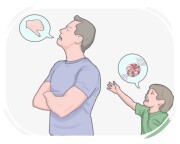
extremely unpleasant or bad
straszny, okropny
Okropna pogoda zrujnowała ich plany na dzień na plaży.
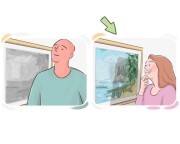
catching and keeping our attention because of being unusual, exciting, etc.
interesujący, fascynujący
W muzeum było wiele ciekawych eksponatów.
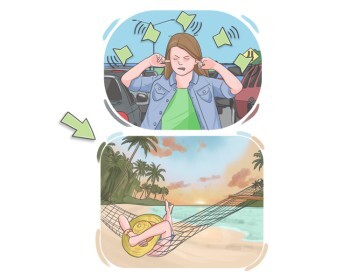
providing pleasure and enjoyment
przyjemny, uroczy
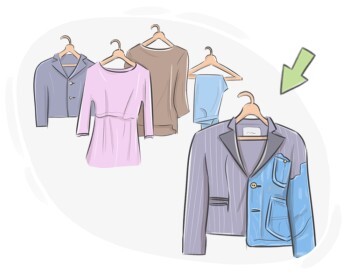
not commonly happening or done
niezwykły, niespotykany
Jego ciche zachowanie na imprezie było niezwykłe.
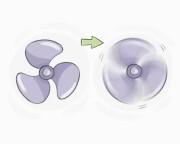
to make something operate, especially by accident
uruchomić, uruchomić coś zwłaszcza przypadkiem
Ciekawość dzieci dotycząca dużego czerwonego przycisku uruchomiła alarm w muzeum nauki.
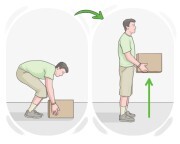
to take and lift something or someone up
podnieść, unieść
Dzieci muszą zbierać swoje zabawki przed snem.
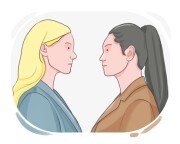
to focus one's attention on something or someone in order to observe or examine them
patrzeć, obserwować
Lekarz spojrzał na prześwietlenie pacjenta, aby ocenić uraz.
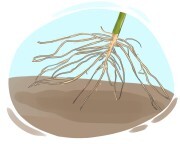
to take and bring something out of a particular place or position
wyciągnąć, wyjąć
Otworzył szufladę i wyciągnął ręcznie napisany list.
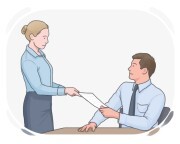
to submit or deliver something, such as an assignment, document, application or lost item, usually to a person in authority or to an organization
oddać, złożyć dokument lub zadanie u osoby odpowiedzialnej
Po znalezieniu zgubionego portfela na ulicy oddała go na miejscowy komisariat policji.
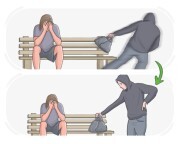
to restore or return something that was lost or taken away
oddawać, zwracać
Kolekcjoner antyków był gotów zwrócić historyczne dokumenty lokalnym archiwom.
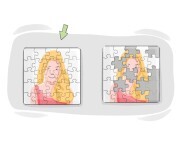
to assemble something from separate parts or elements
składać, montować
Nie mogę uwierzyć, że złożył tę skomplikowaną zabawkę bez instrukcji.
