
Kniha Total English - Základní - Jednotka 7 - Lekce 1
Zde najdete slovní zásobu z Unit 7 - Lesson 1 v učebnici Total English Elementary, jako "řešit", "nudný", "zápas" atd.
Revize
Kartičky
Pravopis
Kvíz
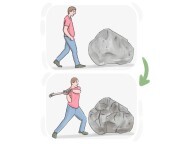
to find an answer or solution to a question or problem

řešit,vyřešit
Pozitivní přístup vám často může pomoci vyřešit různé životní výzvy.
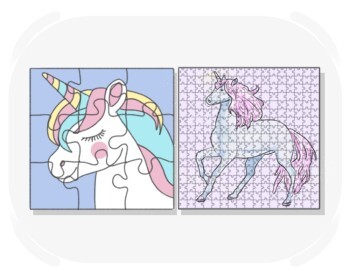
a picture on a cardboard that is cut into different pieces and one should fit them together in order for the picture to become whole again
skládačka,puzzle
Dostal krásné puzzle jako dárek k narozeninám, s výhledem na krajinu.
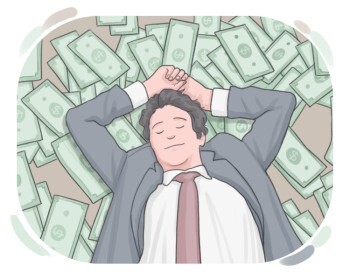
owning a great amount of money or things that cost a lot
bohatý,majetný
Chytře investoval a stal se neuvěřitelně bohatým.
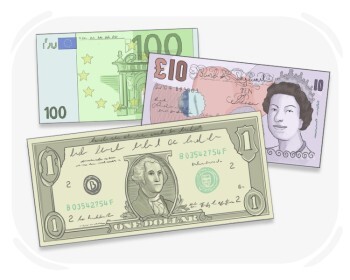
a written or printed piece of paper that represents a specific value and is issued as a form of currency by a government or financial institution
bankovka,papírová měna
Za jídlo zaplatil 50eurovou bankovkou.

a competition in which two players or teams compete against one another such as soccer, boxing, etc.
zápas
Fotbalový zápas skončil remízou, oba týmy vstřelily po dvou gólech.
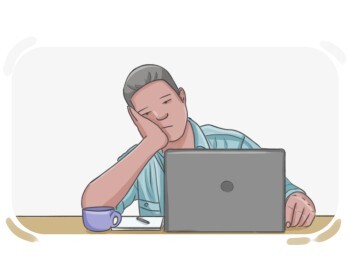
making us feel tired and unsatisfied because of not being interesting
nudný,únavný
Televizní pořad byl nudný, tak jsem přepnul kanál.
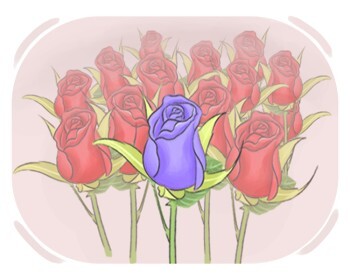
not like another thing or person in form, quality, nature, etc.
jiný
Kniha měla jiný konec, než očekávala.
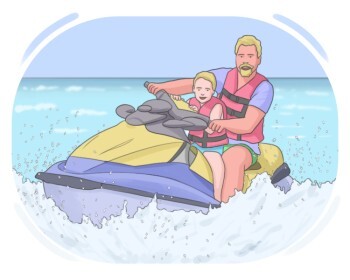
making us feel interested, happy, and energetic
vzrušující,nadšený
Příští léto se vydají na vzrušující cestu po celé zemi.
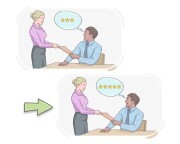
in a notably positive or exceptional manner
velmi dobře,skvěle
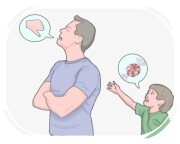
extremely unpleasant or bad
hrozný,strašný
Hrozný pohled na místo nehody jí udělal nevolno.
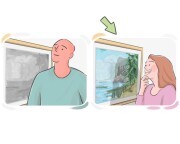
catching and keeping our attention because of being unusual, exciting, etc.
zajímavý,poutavý
Učitel udělal lekci zajímavou zahrnutím interaktivních aktivit.
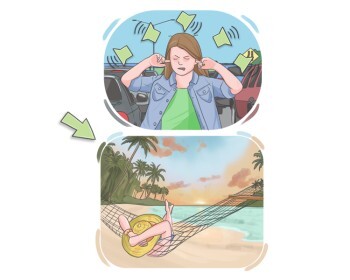
providing pleasure and enjoyment
příjemný,půvabný
Restaurace podávala pěkný pokrm s čerstvými přísadami.
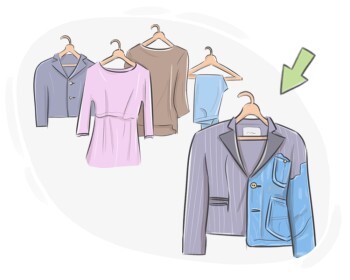
not happening or occurring very often

to cause an alarm or warning system to start sounding
spustit, něco aktivovat zejména omylem
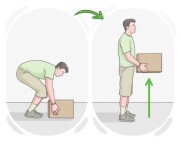
to take hold of someone or something and lift them from a lower position
zvednout, vzít do ruky
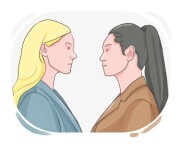
to direct your eyes toward someone or something in order to see or examine them
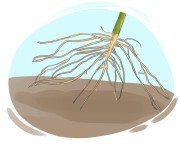
to take something out of a place or position by pulling it
vytáhnout, vyjmout
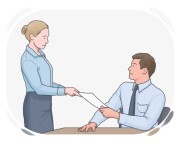
to give a completed piece of work, a document, or a found item to someone responsible for receiving it
odevzdat, předat dokument nebo úkol odpovědné osobě
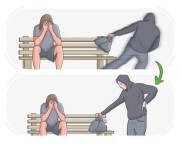
to restore something that someone previously had but has lost or been deprived of
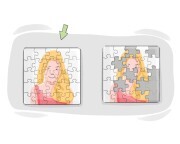
to assemble something by joining its separate parts or pieces together
Se všemi díly rozloženými se zdálo nemožné sestavit stroj.
