
El libro Total English - Elemental - Unidad 7 - Lección 1
Aquí encontrarás el vocabulario de la Unidad 7 - Lección 1 del libro de curso Total English Elementary, como "resolver", "aburrido", "partido", etc.
Revisión
Tarjetas de memoria
formas
Ortografía
Cuestionario
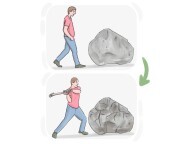
to find an answer or solution to a question or problem

resolver, solucionar
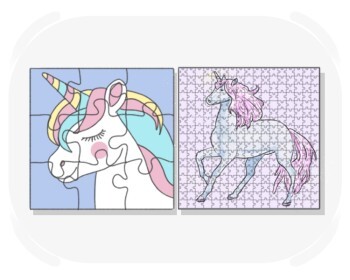
a picture on a cardboard that is cut into different pieces and one should fit them together in order for the picture to become whole again
rompecabezas, puzzle
La familia se reunió alrededor de la mesa para comenzar un nuevo rompecabezas para el fin de semana.
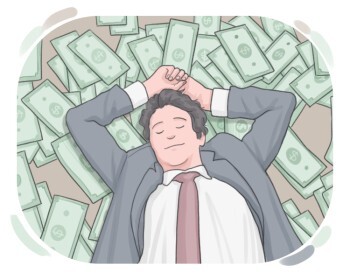
owning a great amount of money or things that cost a lot
rico, adinerado
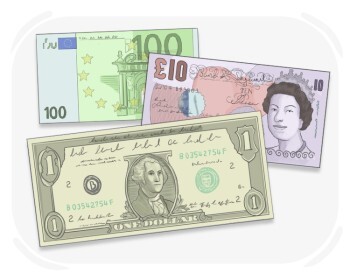
a written or printed piece of paper that represents a specific value and is issued as a form of currency by a government or financial institution
billete, billete de banco

a competition in which two players or teams compete against one another such as soccer, boxing, etc.
partido
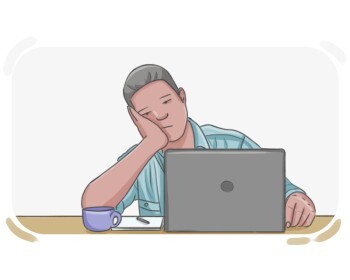
making us feel tired and unsatisfied because of not being interesting
aburrido
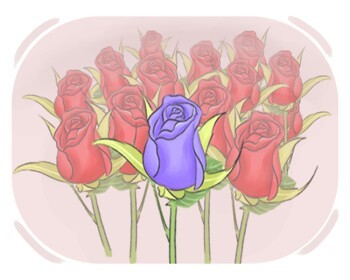
not like another thing or person in form, quality, nature, etc.
diferente
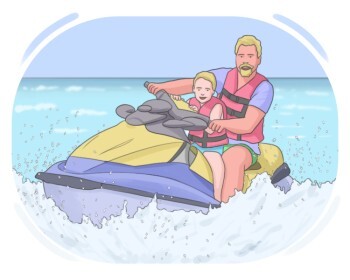
making us feel interested, happy, and energetic
emocionante
El espectáculo de fuegos artificiales fue realmente emocionante e iluminó todo el cielo.
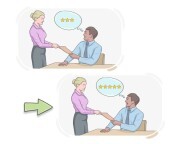
in a notably positive or exceptional manner
fenomenal
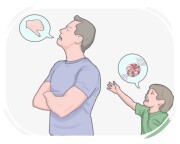
extremely unpleasant or bad
horrible
El olor horrible que salía del cubo de basura hacía difícil permanecer en la cocina.
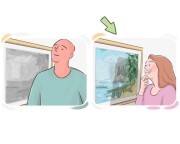
catching and keeping our attention because of being unusual, exciting, etc.
interesante
Mi vecino tiene una colección interesante de coches vintage.
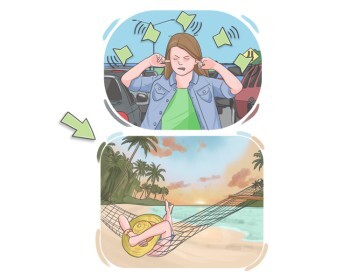
providing pleasure and enjoyment
agradable
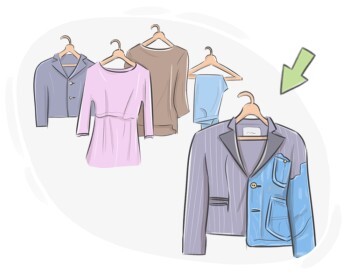
not commonly happening or done
inusual
El concierto comenzó a una hora inusual, al final de la tarde.
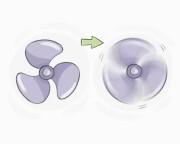
to make something operate, especially by accident
activar, activar algo especialmente por accidente
Accidentalmente activó la alarma de incendios cuando quemó tostadas en la cocina de la oficina.
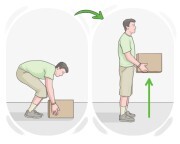
to take and lift something or someone up
recoger, levantar
Ella recogió el periódico del porche por la mañana.
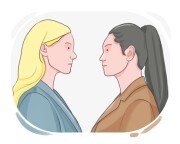
to focus one's attention on something or someone in order to observe or examine them
mirar, observar
El detective miró la escena del crimen en busca de pistas.
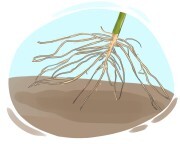
to take and bring something out of a particular place or position
sacar, extraer
Cuando le pidieron su identificación, ella sacó su identificación de su billetera con confianza.
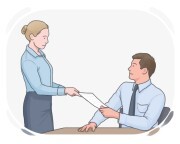
to submit or deliver something, such as an assignment, document, application or lost item, usually to a person in authority or to an organization
entregar, presentar un documento o tarea a la persona responsable
Por favor, entreguen sus formularios de solicitud en la recepción.
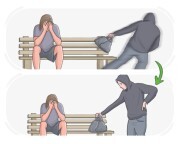
to restore or return something that was lost or taken away
devolver, restituir
El buen samaritano encontró un perro perdido y quiere devolverlo a su dueño.
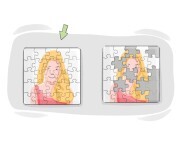
to assemble something from separate parts or elements
ensamblar, armar
Les tomó una semana armar el modelo de barco.
