pattern

Podstawowy 1 - Pomiar i Wymiary

Tutaj nauczysz się niektórych angielskich słów dotyczących pomiarów i wymiarów, takich jak "duży", "szeroki" i "gruby", przygotowanych dla uczniów na poziomie podstawowym.

Przegląd

Fiszki

Pisownia

Test

Zacznij naukę
Elementary 1
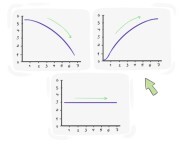
to increase
to increase
[Czasownik]

to become larger in amount or size

zwiększać się,  wzrastać
zwiększać się, wzrastać

Ex: The temperature is expected to increase throughout the day. 
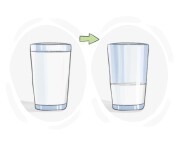
to decrease
to decrease
[Czasownik]

to become smaller or less in amount, number, size, or intensity

zmniejszać się,  maleć

zmniejszać się, maleć

Ex: Traffic usually decreases late in the evening. 
degree
degree
[Rzeczownik]

a unit of measurement for temperature, angles, or levels of intensity, such as Celsius degrees or a degree of pain

stopień, stopień temperatury

stopień, stopień temperatury

Ex: A right angle measures 90 degrees. 
size
size
[Rzeczownik]

the physical extent of an object, usually described by its height, width, length, or depth

rozmiar, wymiar
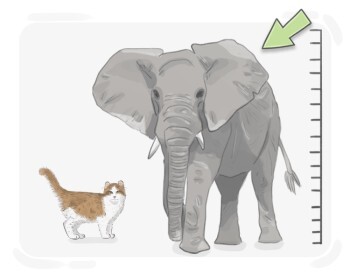
rozmiar, wymiar

Ex: What is the size of the bookshelf in terms of height, width, and depth? 
large
large
[przymiotnik]

above average in amount or size

duży, wielki

duży, wielki

Ex: The elephant was large, towering over the other animals in the savanna. 
thin
thin
[przymiotnik]

having opposite sides or surfaces that are close together

cienki, chudy
cienki, chudy

Ex: The paper was thin, allowing light to pass through easily. 
wide
wide
[przymiotnik]

having a large length from side to side

szeroki, rozległy
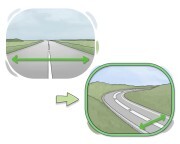
szeroki, rozległy

Ex: The river was wide, spanning several hundred meters across. 
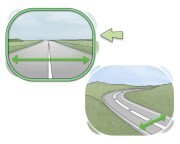
narrow
narrow
[przymiotnik]

having a limited distance between opposite sides

wąski, ciasny

wąski, ciasny

Ex: The narrow hallway was lined with paintings, giving it a claustrophobic feel. 
thick
thick
[przymiotnik]

having a long distance between opposite sides

gruby, szeroki
gruby, szeroki

Ex: How thick should the glass in the tank be to ensure it doesn't break under water pressure? 
to add
to add
[Czasownik]

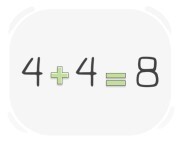
(mathematics) to put numbers or amounts together and find the total

dodawać, dodać
dodawać, dodać

Ex: Add 5 and 3 to get a total of 8. 
to count
to count
[Czasownik]

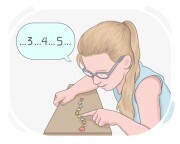
to determine the number of people or objects in a group

liczyć
liczyć

Ex: The teacher regularly counts the students at the beginning of the class. 
billion
billion
[Liczebnik]

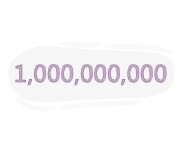
the number 1 followed by 9 zeros

miliard, jeden miliard

miliard, jeden miliard

Ex: The new smartphone sold over a billion units worldwide within the first month of its release. 

Nowy smartfon sprzedał się w ponad miliardzie egzemplarzy na całym świecie w pierwszym miesiącu od premiery.
amount
amount
[Rzeczownik]

the total number or quantity of something

ilość, kwota
ilość, kwota

Ex: The amount of rainfall last month was unusually high, causing flooding in some areas. 
percent
percent
[przysłówek]

for or in every hundred

procent,  na sto

procent, na sto

Ex: Emma completed nearly ninety percent of the work. 
LanGeek
Pobierz aplikację LanGeek