pattern

初級 1 - 測定と寸法

ここでは、「大きい」、「広い」、「厚い」など、測定と寸法に関するいくつかの英語の単語を、初級レベルの学生向けに準備して学びます。

レビュー

フラッシュカード

綴り

クイズ

学習を開始
Elementary 1
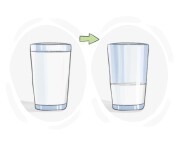
to increase
to increase
[動詞]

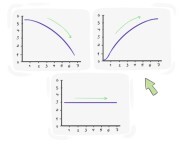
to become larger in amount or size

増える,  増加する

増える, 増加する

Ex: The population of the city continues to increase due to urban migration. 

都市への移住により、その都市の人口は増加し続けています。

to decrease
to decrease
[動詞]

to become less in amount, size, or degree

減少する, 減る

減少する, 減る

Ex: The temperature is decreasing as we move into the cooler season. 

涼しい季節に入ると、気温が下がります。

degree
degree
[名詞]

a unit of measurement for temperature, angles, or levels of intensity, such as Celsius degrees or a degree of pain

度, 温度の度

度, 温度の度

Ex: The compass needle pointed towards 270 degrees, indicating west. 

コンパスの針は270度を指し、西を示していました。

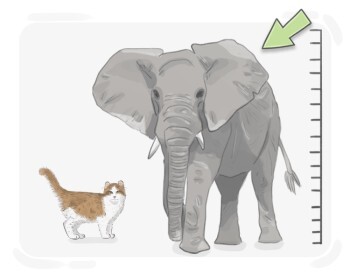
size
size
[名詞]

the physical extent of an object, usually described by its height, width, length, or depth

サイズ, 大きさ

サイズ, 大きさ

Ex: The size of the pizza is 12 inches in diameter. 

ピザのサイズは直径12インチです。

large
large
[形容詞]

above average in amount or size

大きい, 巨大な

大きい, 巨大な

Ex: The restaurant served large portions of food, ensuring customers left feeling satisfied. 

そのレストランは大きな食事の量を提供し、顧客が満足して帰るようにしました。

thin
thin
[形容詞]

having opposite sides or surfaces that are close together

薄い, 細い

薄い, 細い

Ex: The paper was thin, allowing light to pass through easily. 

紙は薄く、光が簡単に透過するようになっていた。

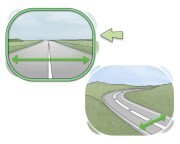
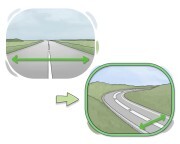
wide
wide
[形容詞]

having a large length from side to side

広い, 幅広い

広い, 幅広い

Ex: The river was over 30 feet wide at its widest point, making it a challenge to cross without a bridge. 

川は最も広い地点で30フィート以上の幅があり、橋なしで渡るのは挑戦だった。

narrow
narrow
[形容詞]

having a limited distance between opposite sides

狭い, 細い

狭い, 細い

Ex: He squeezed through the narrow gap in the fence to access the abandoned property. 

彼は放棄された財産にアクセスするためにフェンスの狭い隙間を通り抜けた。

thick
thick
[形容詞]

having a long distance between opposite sides

厚い, 太い

厚い, 太い

Ex: The ice on the lake was 3 feet thick, making it safe for ice fishing. 

湖の氷は3フィートの厚さがあり、氷上釣りに安全でした。

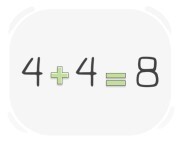
to add
to add
[動詞]

(mathematics) to put numbers or amounts together and find the total

足す, 加える

足す, 加える

Ex: If you add the costs of materials, labor, and overhead, you'll get the total production expenses. 

材料費、人件費、間接費を足すと、総生産費が得られます。

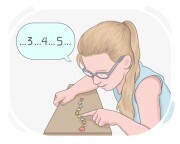
to count
to count
[動詞]

to determine the number of people or objects in a group

数える

数える

Ex: The teacher regularly counts the students at the beginning of the class. 

教師は授業の始めに定期的に生徒を数えます。

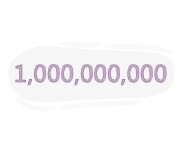
billion
billion
[数詞]

the number 1 followed by 9 zeros

十億, 10億

十億, 10億

Ex: The company reported revenues of over a billion dollars last year. 

同社は昨年、10億ドル以上の収益を報告した。

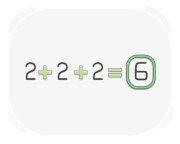
amount
amount
[名詞]

the total number or quantity of something

量, 金額

量, 金額

Ex: We need to limit the amount of screen time our children have each day to ensure they get enough physical activity. 

子供たちが十分な身体活動を得られるように、毎日のスクリーンタイムの量を制限する必要があります。

percent
percent
[副詞]

in or for every one hundred, shown by the symbol (%)

パーセント

パーセント

Ex: She scored 95 percent on her math exam, earning top marks in the class. 

彼女は数学の試験で95パーセントを獲得し、クラスで最高の成績を収めました。

LanGeek
LanGeekアプリをダウンロード