pattern

Animais - Roedores

Aqui você aprenderá os nomes de roedores em inglês, como "porquinho-da-índia", "porco-espinho" e "chinchila".

Revisar

Flashcards

Ortografia

Quiz

Começar a aprender
Words Related to Animals
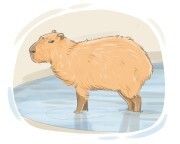
capybara
capybara
[substantivo]

a large rodent with thick legs and no tail that lives near bodies of water, found in South America

capivara, capiúva

capivara, capiúva

Ex: The capybara can swim well and often escapes danger in the water. 
Fechar
Entrar
dassie rat
dassie rat
[substantivo]

a small mammal species found in Africa and the Middle East, known for their rock-dwelling behavior, distinctive vocalizations, and close evolutionary relationship with elephants

rato dassie, rato das rochas
rato dassie, rato das rochas

Ex: A wildlife guide pointed out a dassie rat hiding between the rocks. 
Fechar
Entrar
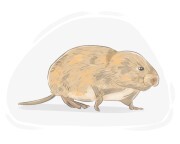
water vole
water vole
[substantivo]

an amphibious rodent that lives in a hole near lakes or rivers and is native to Eurasia

ratazana de água, vole de água
ratazana de água, vole de água

Ex: The water vole feeds on plants growing around rivers and wetlands. 
Fechar
Entrar
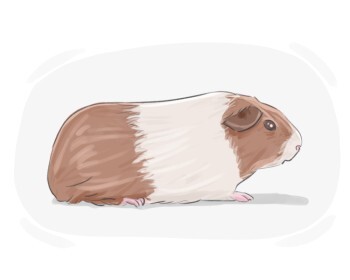
guinea pig
guinea pig
[substantivo]

a small furry animal with rounded ears, short legs and no tail, which is often kept as a pet or for research

porquinho-da-índia, cobaia
porquinho-da-índia, cobaia

Ex: Guinea pigs are herbivores, enjoying a diet of fresh vegetables, hay, and pellets. 
Fechar
Entrar
gopher
gopher
[substantivo]

a small rodent covered in fur that has large cheek pouches, mainly found in North and Central America

geômis, gopher
geômis, gopher

Ex: Wildlife experts studied the gopher population in the area. 
Fechar
Entrar
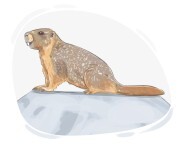
marmot
marmot
[substantivo]

a large ground rodent that is like a squirrel and eats vegetables, originally found in North America and Eurasia

marmota, roedor terrestre
marmota, roedor terrestre

Ex: The marmot sat on a rock and watched its surroundings carefully. 
Fechar
Entrar
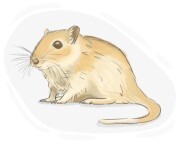
gerbil
gerbil
[substantivo]

a small, desert rodent that looks like a mouse and is often kept as a pet

gerbil, rato-do-deserto
gerbil, rato-do-deserto

Ex: Gerbils are popular pets because they are small and active. 
Fechar
Entrar
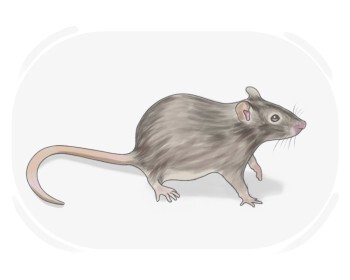
rat
rat
[substantivo]

a long-tailed rodent resembling a large mouse, often regarded as a pest
Ex: The farmer set traps after finding signs of rats in the barn. 
Fechar
Entrar
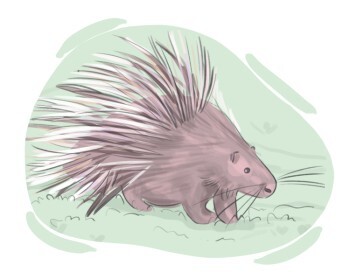
porcupine
porcupine
[substantivo]

an animal with sharp needle-like parts on its body and tail, used for protection

porco-espinho, ouriço
porco-espinho, ouriço

Ex: Porcupines are herbivores, feeding primarily on bark, leaves, and other plant materials found in their forest habitats. 
Fechar
Entrar
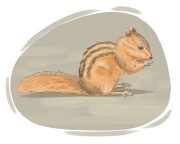
chipmunk
chipmunk
[substantivo]

a small ground rodent of the squirrel family with black and white stripes that is found in North America and Siberia

tâmias, chipmunk
tâmias, chipmunk

Ex: The chipmunk spends much of its time gathering and hiding food. 
Fechar
Entrar
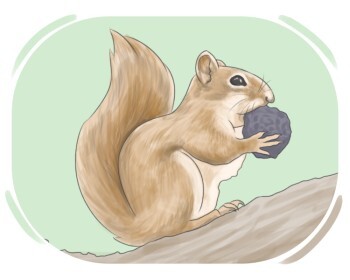
squirrel
squirrel
[substantivo]

a furry animal with a thick tail that lives in trees and feeds on nuts and seeds

esquilo, ardília
esquilo, ardília

Ex: The squirrel climbed the tree to find some nuts. 
Fechar
Entrar
lemming
lemming
[substantivo]

a small furry rodent with a short tail that migrate in large numbers and could be found near the Arctic

lêmingue, o roedor do Ártico
lêmingue, o roedor do Ártico

Ex: Large numbers of lemmings can appear during periods of population growth. 
Fechar
Entrar
chinchilla
chinchilla
[substantivo]

a small South American rodent with grayish fur and rabbit-like ears

chinchila, chinchila (roedor)
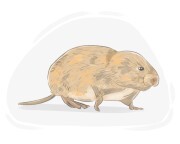
chinchila, chinchila (roedor)

Ex: The chinchilla uses dust baths to keep its thick fur clean. 
Fechar
Entrar
vole
vole
[substantivo]

a small rodent with a stout body and a short hairy tail that could be found in meadows and uplands

rato-do-campo, pequeno roedor
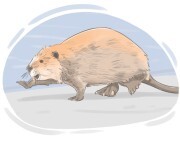
rato-do-campo, pequeno roedor

Ex: Scientists study vole populations to understand changes in ecosystems. 
Fechar
Entrar
coypu
coypu
[substantivo]

a herbivorous semiaquatic rodent that is relatively large, originated in South America

nutria, rato-d'água

nutria, rato-d'água

Ex: Wildlife experts monitor coypu populations in wetland areas. 
Fechar
Entrar
beaver
beaver
[substantivo]

a semiaquatic rodent with a wide tail and strong teeth that builds dams across streams and is mainly found in the Northern hemisphere

castor, bíbere

castor, bíbere

Ex: Wildlife experts protect areas where beavers build their homes. 
Fechar
Entrar
groundhog
groundhog
[substantivo]

a furry rodent of the family of ground squirrels, also known as marmots, that is originated in North America

marmota, esquilo terrestre
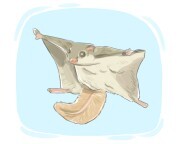
marmota, esquilo terrestre

Ex: The groundhog is a type of large squirrel native to North America. 
Fechar
Entrar
flying squirrel
flying squirrel
[substantivo]

a small North American animal that is like a squirrel and can leap between trees by stretching the skin between its limbs

esquilo voador, ardila voadora
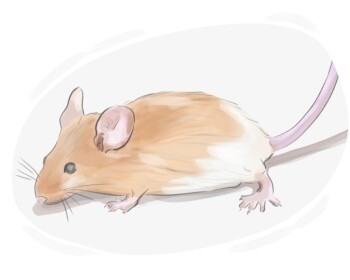
esquilo voador, ardila voadora

Ex: The flying squirrel uses its large eyes to see well at night. 
Fechar
Entrar
mouse
mouse
[substantivo]

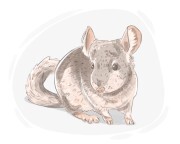
a small animal that lives in fields or houses, and often has fur, a long furless thin tail, and a pointed nose

rato, camundongo
rato, camundongo

Ex: The scientist conducted experiments using a genetically modified mouse model. 
Fechar
Entrar
dormouse
dormouse
[substantivo]

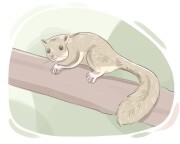
a small rodent with a furry tail that lives in trees and is known for spending long periods in hibernation

leirão, ratos-dos-pomares
leirão, ratos-dos-pomares

Ex: The dormouse has a furry tail and a small, round body. 
Fechar
Entrar
pack rat
pack rat
[substantivo]

any rodent that hoards food in its nest which has a bushy long tail, large ears and is native to North and Central America

rato de embalagem, rato de cauda espessa
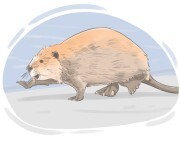
rato de embalagem, rato de cauda espessa

Ex: Pack rats are found in parts of North and Central America. 
Fechar
Entrar
water rat
water rat
[substantivo]

an amphibious rodent that lives in a hole near lakes or rivers and is native to Australia

rato d'água, rato anfíbio
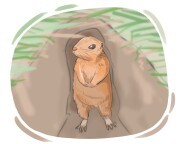
rato d'água, rato anfíbio

Ex: The water rat builds shelters near the edges of waterways. 
Fechar
Entrar
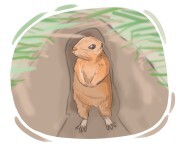
prairie dog
prairie dog
[substantivo]

a herbivorous rodent that lives in the ground, inhabiting the grasslands of North America

cão-da-pradaria, cão-das-pradarias
cão-da-pradaria, cão-das-pradarias

Ex: A colony of prairie dogs created a network of tunnels beneath the field. 
Fechar
Entrar
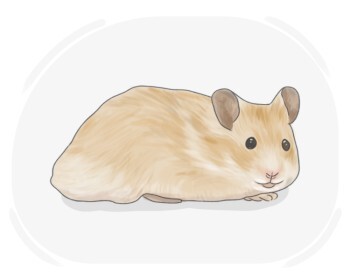
hamster
hamster
[substantivo]

a small animal of the rodent family, similar to a mouse, with a short tail and large cheeks for storing food

hamster, roedor da família Cricetidae

hamster, roedor da família Cricetidae

Ex: My little son learned that hamsters are nocturnal animals. 
Fechar
Entrar
muskrat
muskrat
[substantivo]

a mid-sized semiaquatic rodent covered with brown fur that has a strong odor

ratazana almiscarada, ondatra

ratazana almiscarada, ondatra

Ex: The muskrat has thick brown fur and a partly aquatic lifestyle. 
Fechar
Entrar
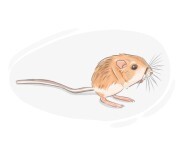
mole rat
mole rat
[substantivo]

a subterranean rodent with a cylindrical body, specialized dental structure, and unique behaviors for navigating and foraging in underground environments

rato-toupeira, spalax
rato-toupeira, spalax

Ex: Scientists are interested in how mole rats survive in low-oxygen environments. 
Fechar
Entrar
kangaroo rat
kangaroo rat
[substantivo]

a subterranean rodent with a cylindrical body, specialized dental structure, and unique behaviors for navigating and foraging in underground environments

rato-canguru, rato-das-areias

rato-canguru, rato-das-areias

Ex: The kangaroo rat moves by jumping on its powerful hind legs. 
Fechar
Entrar
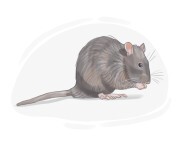
sand rat
sand rat
[substantivo]

a species of rodent found in North Africa and the Middle East that is well-adapted to living in arid and sandy habitats

rato das areias, gerbilo
rato das areias, gerbilo

Ex: The sand rat can tolerate harsh conditions with little water. 
Fechar
Entrar
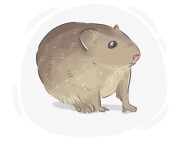
black rat
black rat
[substantivo]

a medium-sized rodent with a slender body, large ears, and a long tail, typically found in urban and rural areas

rato preto, camundongo preto
rato preto, camundongo preto

Ex: The black rat can live in both cities and rural environments. 
Fechar
Entrar
cotton rat
cotton rat
[substantivo]

a small to medium-sized rodent with a stocky body, short tail, and dense fur that is typically found in grasslands and shrublands

rato-do-algodão, sigmodonte

rato-do-algodão, sigmodonte

Ex: Wildlife experts monitor cotton rat populations in natural habitats. 
Fechar
Entrar
eastern woodrat
eastern woodrat
[substantivo]

a solitary, nocturnal rat species native to eastern and central North America known for its elaborate nests made of sticks and hoarding behavior

rato-do-bosque-oriental, neotoma oriental

rato-do-bosque-oriental, neotoma oriental

Ex: Wildlife experts monitor eastern woodrat populations in forests across North America. 
Fechar
Entrar
jerboa rat
jerboa rat
[substantivo]

a small, nocturnal rodent found in arid regions of Asia and Northern Africa, known for its unique long hind legs

rato jerboa, jerboa

rato jerboa, jerboa

Ex: The jerboa rat can jump long distances despite its small size. 
Fechar
Entrar
zokor
zokor
[substantivo]

a burrowing rodent species found in Asia, known for their cylindrical body shape, powerful digging claws, and underground lifestyle

zokor, espécie de roedor escavador encontrada na Ásia

zokor, espécie de roedor escavador encontrada na Ásia

Ex: Farmers sometimes notice zokors because of the tunnels they create. 
Fechar
Entrar
xerus
xerus
[substantivo]

a genus of ground squirrel found in Africa, known for their social behavior and adaptation to living in arid and semi-arid habitats

xerus, esquilo terrestre africano

xerus, esquilo terrestre africano

Ex: A group of xerus moved together across the open landscape. 
Fechar
Entrar
ground squirrel
ground squirrel
[substantivo]

a small to medium-sized rodent that burrows underground, hibernates during winter, and feeds on seeds, nuts, fruits, and vegetation

esquilo-terrestre, cão-da-pradaria

esquilo-terrestre, cão-da-pradaria

Ex: Researchers study ground squirrels to understand their hibernation habits. 
Fechar
Entrar
Syrian hamster
Syrian hamster
[substantivo]

a small nocturnal rodent that is commonly kept as a pet, known for its solitary nature and distinctive cheek pouches used for storing food

hamster sírio, hamster da Síria

hamster sírio, hamster da Síria

Ex: The Syrian hamster became active at night and explored its cage. 
Fechar
Entrar
rock hyrax
rock hyrax
[substantivo]

a small, thickset mammal native to Africa and the Middle East, known for its rock-dwelling habits and unique social structure

dâmane das rochas, hirax das rochas

dâmane das rochas, hirax das rochas

Ex: A group of rock hyraxes stayed close together on the mountainside. 
Fechar
Entrar
red squirrel
red squirrel
[substantivo]

a small mammal with a reddish-brown coat, tufted ears, and a long, bushy tail, known for its agility and arboreal lifestyle

esquilo vermelho, pequeno mamífero com pelagem avermelhada
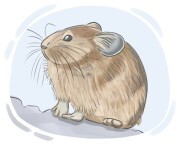
esquilo vermelho, pequeno mamífero com pelagem avermelhada

Ex: The red squirrel spends most of its time searching for food in trees. 
Fechar
Entrar
pika
pika
[substantivo]

a small, herbivorous mammal characterized by its round body, short limbs, and short ears

pika, lebre das rochas

pika, lebre das rochas

Ex: A pika disappeared into a rocky shelter when it sensed danger. 
Fechar
Entrar
grasshopper mouse
grasshopper mouse
[substantivo]

a small carnivorous rodent known for its unique feeding habits, aggressive behavior, and adaptability to arid environments

rato gafanhoto, rato carnívoro do deserto
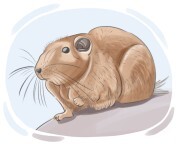
rato gafanhoto, rato carnívoro do deserto

Ex: The grasshopper mouse produces a loud call when defending its territory. 
Fechar
Entrar
gundi
gundi
[substantivo]

a small herbivorous mammal native to North Africa that is known for its distinctive appearance

gundi, pequeno mamífero herbívoro
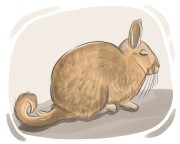
gundi, pequeno mamífero herbívoro

Ex: A group of gundis moved between rocks in search of plants. 
Fechar
Entrar
viscacha
viscacha
[substantivo]

a small mammal with a plump body, long bushy tail, and large ears, native to the highlands of South America

viscacha, vizcacha

viscacha, vizcacha

Ex: A group of viscachas moved between rocks in search of plants. 
Fechar
Entrar
pacarana
pacarana
[substantivo]

a large, herbivorous rodent species found in the rainforests of South America, known for their stocky build, distinctive facial markings, and unusual behavior of caching food in their fur

pacarana, roedor herbívoro de grande porte das florestas tropicais da América do Sul

pacarana, roedor herbívoro de grande porte das florestas tropicais da América do Sul

Ex: A pacarana was photographed moving through dense rainforest vegetation. 
Fechar
Entrar
cavy
cavy
[substantivo]

a small, herbivorous rodent native to South America, often kept as a gentle and social pet

cobaia, porquinho-da-índia
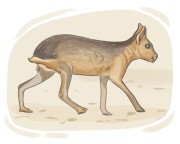
cobaia, porquinho-da-índia

Ex: The cavy belongs to the same family of rodents as guinea pigs. 
Fechar
Entrar
mara
mara
[substantivo]

a large herbivorous rodent native to South America, resembling a small deer or a hare

mara, lebre-da-patagônia
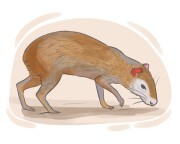
mara, lebre-da-patagônia

Ex: A group of maras rested near their burrows during the afternoon. 
Fechar
Entrar
agouti
agouti
[substantivo]

a medium-sized rodent found in Central and South America known for its stocky body, short legs

cutia, roedor de médio porte encontrado na América Central e do Sul

cutia, roedor de médio porte encontrado na América Central e do Sul

Ex: A wildlife photographer captured an agouti feeding near a river in Brazil. 
Fechar
Entrar
deer mouse
deer mouse
[substantivo]

a small, nocturnal rodent found in North and Central America known for its distinctive coloring

rato-veado, peromyscus
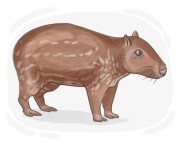
rato-veado, peromyscus

Ex: A deer mouse stored seeds inside its nest for later use. 
Fechar
Entrar
paca
paca
[substantivo]

a large, nocturnal rodent native to Central and South America, known for its stocky build, dark fur

paca, roedor noturno nativo da América Central e do Sul
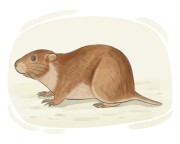
paca, roedor noturno nativo da América Central e do Sul

Ex: A camera trap recorded a paca moving through the forest at night. 
Fechar
Entrar
tuco-tuco
tuco-tuco
[substantivo]

a burrowing rodent species found in South America, known for their subterranean lifestyle, complex social structure, and unique vocalizations

tuco-tuco, roedor escavador da América do Sul

tuco-tuco, roedor escavador da América do Sul

Ex: Scientists have observed different social behaviors among tuco-tuco species. 
Fechar
Entrar
moonrat
moonrat
[substantivo]

a species of rodent native to Southeast Asia

moonrat, rato lua

moonrat, rato lua

Ex: A camera trap captured a moonrat moving through the forest floor. 
Fechar
Entrar
jird
jird
[substantivo]

a small rodent found in regions of North Africa, the Middle East, and Central Asia, known for their burrowing behavior, stocky bodies, and omnivorous diet

gerbilo, jird

gerbilo, jird

Ex: The jird spends much of its time underground to avoid extreme heat. 
Fechar
Entrar
meriones
meriones
[substantivo]

a genus of small rodent species in the gerbil subfamily, found in Asia and North Africa, known for their desert adaptations and importance as laboratory animals in biomedical research

meriones, gênero de pequenas espécies de roedores na subfamília dos gerbilos

meriones, gênero de pequenas espécies de roedores na subfamília dos gerbilos

Ex: The genus Meriones includes rodents that live in burrows in arid habitats. 
Fechar
Entrar
vlei rat
vlei rat
[substantivo]

a semi-aquatic rodent species found in southern Africa, known for their adaptations to wetland habitats and important ecological roles as seed dispersers and ecosystem engineers

rato do vlei, roedor semi-aquático encontrado no sul da África

rato do vlei, roedor semi-aquático encontrado no sul da África

Ex: Wildlife researchers observed vlei rats along the edges of a seasonal wetland. 
Fechar
Entrar
oryzomys
oryzomys
[substantivo]

a genus of small, semi-aquatic rats found in the Americas, associated with wetland habitats, known for their omnivorous diet and important role in ecosystems

oryzomys,  um gênero de pequenos ratos semi-aquáticos encontrados nas Américas
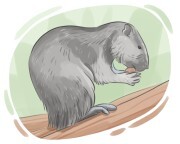
oryzomys, um gênero de pequenos ratos semi-aquáticos encontrados nas Américas

Ex: Scientists use Oryzomys species to study how rodents adapt to aquatic environments. 
Fechar
Entrar
hutia
hutia
[substantivo]

a group of large, herbivorous rodent species found in the Caribbean, known for their distinctive appearance and ecological roles as seed dispersers and ecosystem engineers

hutia, roedor caribenho

hutia, roedor caribenho

Ex: Conservationists are working to protect hutia populations from habitat loss. 
Fechar
Entrar
spiny mouse
spiny mouse
[substantivo]

a small, nocturnal rodent species found in Africa and the Middle East, known for their spiny fur and ability to survive in arid environments

rato espinhoso, rato de espinhos

rato espinhoso, rato de espinhos

Ex: A wildlife researcher photographed a spiny mouse near its shelter after sunset. 
Fechar
Entrar
LanGeek
Baixar o aplicativo LanGeek