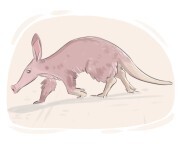
pattern

Animais - Outros Mamíferos

Aqui você aprenderá os nomes de outros mamíferos em inglês, como "aardvark", "morcego" e "guaxinim".

Revisar

Flashcards

Ortografia

Quiz
Começar a aprender
Words Related to Animals
aardvark
aardvark
[substantivo]

a nocturnal, burrowing mammal native to Africa, with a long snout and tongue, feeding mainly on ants and termites

aardvark, porco-formigueiro
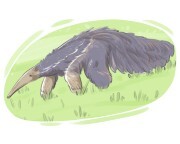
aardvark, porco-formigueiro

Ex: The zookeeper explained that the aardvark uses its long tongue to catch insects. 

O tratador do zoológico explicou que o oricteropo usa sua língua longa para capturar insetos.

Fechar
Entrar
anteater
anteater
[substantivo]

a tropical mammal with a long tail, snout and tongue that feeds on ants or other insects

tamanduá, formigueiro
tamanduá, formigueiro

Ex: We watched an anteater searching for food near the edge of the forest. 
Fechar
Entrar
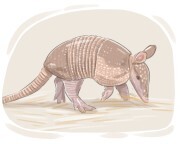
armadillo
armadillo
[substantivo]

a small nocturnal mammal that is covered in small bony plates and is usually found in Southern America

tatu, armadillo
tatu, armadillo

Ex: We spotted an armadillo crossing the dry grassland at night. 
Fechar
Entrar
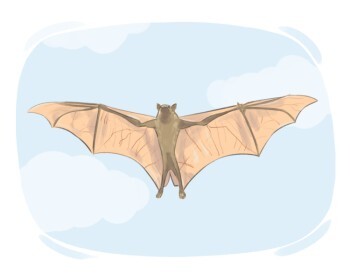
bat
bat
[substantivo]

a small flying creature that comes out at night

morcego, quiróptero
morcego, quiróptero

Ex: Vampire bats feed on the blood of other animals, using their sharp incisors to make tiny incisions. 

Morcegos vampiros se alimentam do sangue de outros animais, usando seus incisivos afiados para fazer pequenas incisões.

Fechar
Entrar
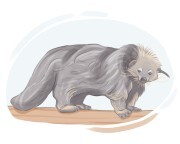
binturong
binturong
[substantivo]

a unique arboreal mammal with a long, bushy tail, shaggy fur, and a distinctive popcorn-like scent, found in Southeast Asia

binturong, gato-urso
binturong, gato-urso

Ex: The rescued binturong was released into a protected area after recovering from its injuries. 
Fechar
Entrar
flying fox
flying fox
[substantivo]

a large, nocturnal bat with a wingspan of up to six feet, found in various parts of the world, known for its ability to fly long distances and feed on fruit

raposa voadora, morcego gigante

raposa voadora, morcego gigante

Ex: Farmers sometimes cover fruit trees to prevent flying foxes from feeding on the crop. 
Fechar
Entrar
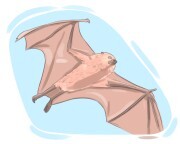
fruit bat
fruit bat
[substantivo]

a bat that feeds on fruits and lives in tropical countries

morcego frugívoro, raposa voadora
morcego frugívoro, raposa voadora

Ex: Fruit bats play an important role in spreading seeds through tropical forests. 
Fechar
Entrar
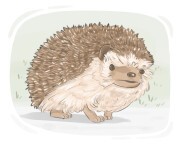
hedgehog
hedgehog
[substantivo]

a small mammal that is active at night, which is covered with spines and can roll itself while attacked

ouriço, ouriço-cacheiro
ouriço, ouriço-cacheiro

Ex: The young hedgehog searched for insects along the edge of the lawn. 
Fechar
Entrar
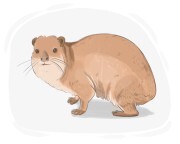
hyrax
hyrax
[substantivo]

a small furry mammal with a short tail and hoof-like toes that mainly eats vegetables

dassie, hirax
dassie, hirax

Ex: Although it is small, the hyrax is surprisingly closely related to elephants. 
Fechar
Entrar
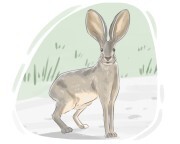
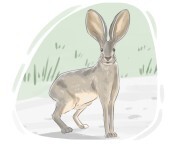
jackrabbit
jackrabbit
[substantivo]

a wild mammal like a rabbit, called hare, native to open parts of the US

lebre americana, jackrabbit
lebre americana, jackrabbit

Ex: Farmers often see jackrabbits in dry, open areas of the western United States. 
Fechar
Entrar
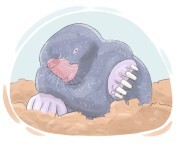
mole
mole
[substantivo]

a small mammal with velvety fur, tiny eyes and a long muzzle that lives underground and eats insects

toupeira, mole
toupeira, mole

Ex: The gardener noticed new molehills appearing across the lawn. 
Fechar
Entrar
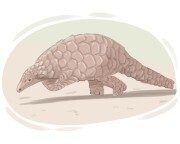
pangolin
pangolin
[substantivo]

a nocturnal mammal covered in hard, overlapping scales, feeding primarily on ants and termites, and capable of curling into a protective ball

pangolim, preguiça-de-coleira
pangolim, preguiça-de-coleira

Ex: Illegal trafficking has made the pangolin one of the most endangered mammals. 

O tráfico ilegal tornou o pangolim um dos mamíferos mais ameaçados de extinção.

Fechar
Entrar
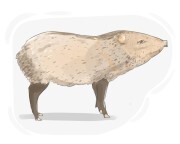
peccary
peccary
[substantivo]

a mid-sized nocturnal mammal that resembles a pig and has hooves, usually found through North and South America

pecari, javali americano
pecari, javali americano

Ex: Although it resembles a pig, the peccary belongs to a different family. 
Fechar
Entrar
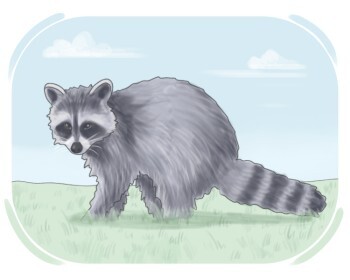
raccoon
raccoon
[substantivo]

a small animal with a thick tail, gray-brown fur and black marks on its face

guaxinim, rato-lavadeiro
guaxinim, rato-lavadeiro

Ex: A raccoon climbed the fence and disappeared into the trees. 
Fechar
Entrar
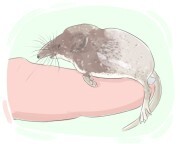
shrew
shrew
[substantivo]

a small nocturnal mammal with long snout and tiny eyes, which feeds on insects

musaranho, rato-do-campo
musaranho, rato-do-campo

Ex: We found a shrew hiding among the roots at the edge of the garden. 
Fechar
Entrar
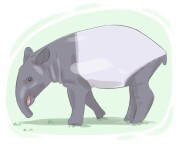
tapir
tapir
[substantivo]

a large herbivorous mammal with a short trunk that lives in forests of South and Central America or Southeast Asia

anta, tapir
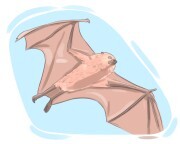
anta, tapir

Ex: Habitat loss threatens several tapir species in tropical forests. 
Fechar
Entrar
vampire bat
vampire bat
[substantivo]

a small winged mammal that feeds on the blood of other animals and is found in tropical regions of South America

morcego-vampiro, vampiro
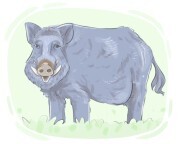
morcego-vampiro, vampiro

Ex: The vampire bat is found in tropical parts of the Americas. 
Fechar
Entrar
wild boar
wild boar
[substantivo]

a wild pig with a pair of small tusks that is native to Eurasia and North Africa

javali
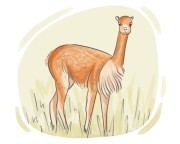
javali

Ex: Wild boars have adapted to a wide range of habitats across Europe and Asia. 
Fechar
Entrar
vicuna
vicuna
[substantivo]

a small, elegant camelid species native to the high Andean regions of South America

vicunha, uma pequena e elegante espécie de camelídeo nativa das altas regiões andinas da América do Sul

vicunha, uma pequena e elegante espécie de camelídeo nativa das altas regiões andinas da América do Sul

Ex: Conservation efforts have helped restore vicuna populations in parts of South America. 
Fechar
Entrar
tenrec
tenrec
[substantivo]

a small insectivorous mammal species found in Madagascar and Africa, known for its diverse and unique physical adaptations

tenrec, tanreque

tenrec, tanreque

Ex: Madagascar is home to many different species of tenrec. 
Fechar
Entrar
star-nosed mole
star-nosed mole
[substantivo]

a small, fossorial mammal with a unique star-shaped nose that is covered in sensitive tentacles used for locating prey in underground environments

toupeira-de-nariz-estrelado, condilura-estrelada

toupeira-de-nariz-estrelado, condilura-estrelada

Ex: Researchers observed a star-nosed mole hunting for small invertebrates in shallow water. 
Fechar
Entrar
tamandua
tamandua
[substantivo]

a small mammal with a slender body, long tail, and distinctive bushy coat, known for its insectivorous diet and arboreal lifestyle in Central and South America

tamanduá, formigueiro pequeno

tamanduá, formigueiro pequeno

Ex: We spotted a tamandua moving through the forest shortly before dusk. 
Fechar
Entrar
mouflon
mouflon
[substantivo]

a wild sheep species with a distinctive appearance, including a stocky body, short legs, curved horns, and a brown to reddish-brown coat

muflão

muflão

Ex: The mouflon's reddish-brown coat helps it blend into dry, rocky landscapes. 
Fechar
Entrar
argali
argali
[substantivo]

the largest wild sheep species, characterized by its massive body, long curved horns, and shaggy coat

argali, carneiro selvagem asiático

argali, carneiro selvagem asiático

Ex: Wildlife biologists tracked argali populations across the remote plateau. 
Fechar
Entrar
urial
urial
[substantivo]

a wild sheep found in central Asia known for its curved horns, stocky build, and ability to adapt to harsh environments

urial, muflão da Ásia Central
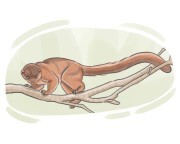
urial, muflão da Ásia Central

Ex: Wildlife researchers monitor urial populations in remote mountainous regions. 
Fechar
Entrar
olingo
olingo
[substantivo]

a small mammal found in Central and South America, known for its long, bushy tail and ability to live in trees

olinguito, olinguito

olinguito, olinguito

Ex: The olingo is rarely seen because it spends much of its life in dense forest vegetation. 
Fechar
Entrar
false vampire
false vampire
[substantivo]

a large bat species found in Africa, Asia, and Australia, known for its size and echolocation abilities

falso vampiro, grande morcego

falso vampiro, grande morcego

Ex: The false vampire is found in parts of Africa, Asia, and Australia. 
Fechar
Entrar
horseshoe bat
horseshoe bat
[substantivo]

a unique bat species known for its distinctive horseshoe-shaped noseleaf and echolocation abilities

morcego-ferradura, morcego de nariz em forma de ferradura

morcego-ferradura, morcego de nariz em forma de ferradura

Ex: The horseshoe bat hung upside down from the roof of the roost. 
Fechar
Entrar
pipistrelle
pipistrelle
[substantivo]

a small insectivorous bat known for its agile flight, echolocation hunting abilities, and diverse diet

pipistrela, morcego pequeno insectívoro
pipistrela, morcego pequeno insectívoro

Ex: Researchers recorded several pipistrelle calls during the nighttime survey. 
Fechar
Entrar
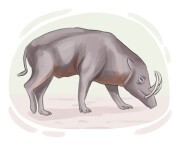
babirusa
babirusa
[substantivo]

a unique species of wild pig found in Indonesia known for its long, curved tusks and distinctive appearance

babirusa, porco veado

babirusa, porco veado

Ex: The wildlife center cares for babirusas rescued from illegal hunting. 
Fechar
Entrar
arctic hare
arctic hare
[substantivo]

a large hare species found in the Arctic regions of North America and Greenland

lebre ártica, lebre polar
lebre ártica, lebre polar

Ex: Researchers observed an arctic hare feeding on low vegetation in Greenland. 
Fechar
Entrar
coney
coney
[substantivo]

a small mammal known for its long ears, short tail, and burrowing behavior

coelho, coelho selvagem

coelho, coelho selvagem

Ex: The coney remained hidden underground until evening. 
Fechar
Entrar
cottontail
cottontail
[substantivo]

a small mammal with a distinctive cotton-like tail, belonging to the family Leporidae, known for its agility, speed, and ability to reproduce rapidly

coelho de cauda de algodão, cauda de algodão

coelho de cauda de algodão, cauda de algodão

Ex: Several cottontails live in the fields and brush around the farm. 
Fechar
Entrar
snowshoe hare
snowshoe hare
[substantivo]

a small mammal with large hind feet, seasonal fur color changes, and a rapid reproductive rate, found in North America

lebre americana, lebre das neves

lebre americana, lebre das neves

Ex: Population numbers of the snowshoe hare can rise and fall dramatically over several years. 
Fechar
Entrar
tree shrew
tree shrew
[substantivo]

a small, arboreal mammal native to Southeast Asia with a slender body, bushy tail, and agile lifestyle

tupaia, musaranho arbóreo

tupaia, musaranho arbóreo

Ex: Researchers observed a tree shrew feeding on fruit near the forest floor. 
Fechar
Entrar
elephant shrew
elephant shrew
[substantivo]

a small insectivorous mammal with a long, flexible snout resembling that of an elephant

musaranho-elefante, macroscelídeo

musaranho-elefante, macroscelídeo

Ex: Researchers followed an elephant shrew along a network of narrow trails through the vegetation. 
Fechar
Entrar
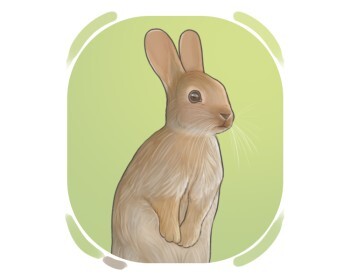
rabbit
rabbit
[substantivo]

an animal that is small, eats plants, has a short tail, long ears, and soft fur

coelho
coelho

Ex: Rabbits are known for their ability to hop and jump. 

Os coelhos são conhecidos por sua capacidade de pular e saltar.

Fechar
Entrar
hare
hare
[substantivo]

a rabbit-like animal with long legs and ears, which can run very fast

lebre, coelho selvagem

lebre, coelho selvagem

Ex: In the early morning light, a family of hares emerged from their burrow, eager to forage for food. 

Na luz do amanhecer, uma família de lebres saiu de sua toca, ansiosa para procurar comida.

Fechar
Entrar
springhare
springhare
[substantivo]

a nocturnal, herbivorous mammal species found in Africa, known for their powerful hind legs and unique adaptations to desert habitats

lebre saltadora, lebre das estepes

lebre saltadora, lebre das estepes

Ex: Researchers observed springhares feeding on grasses and other vegetation at night. 
Fechar
Entrar
LanGeek
Baixar o aplicativo LanGeek