pattern

Állatok - Egyéb emlősök

Itt megtanulhatod más emlősök angol nevét, például "földimalac", "denevér" és "mosómedve".

Áttekintés

Villámkártyák

Betűzés

Kvíz
Indítsa el a tanulást
Words Related to Animals
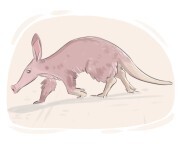
aardvark
aardvark
[Főnév]

a nocturnal, burrowing mammal native to Africa, with a long snout and tongue, feeding mainly on ants and termites

földimalac, földi hangyász
földimalac, földi hangyász

Ex: The zookeeper explained that the aardvark uses its long tongue to catch insects. 

Az állatkerti gondnok elmagyarázta, hogy a földimalac a hosszú nyelvét használja rovarok elkapására.

anteater
anteater
[Főnév]

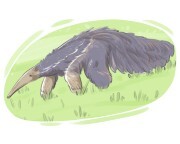
a tropical mammal with a long tail, snout and tongue that feeds on ants or other insects

hangyász, tamandua
hangyász, tamandua

Ex: A giant anteater crossed the grassland early in the morning. 
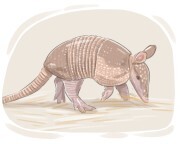
armadillo
armadillo
[Főnév]

a small nocturnal mammal that is covered in small bony plates and is usually found in Southern America

övesállat, armadillo
övesállat, armadillo

Ex: An armadillo searched for insects along the roadside after dark. 
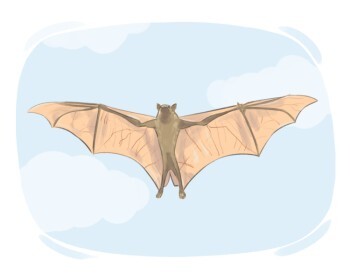
bat
bat
[Főnév]

a small flying creature that comes out at night

denevér, bőregér
denevér, bőregér

Ex: Vampire bats feed on the blood of other animals, using their sharp incisors to make tiny incisions. 

A vámpír denevérek más állatok vérét fogyasztják, éles metszőfogaikkal kis vágásokat ejtve.

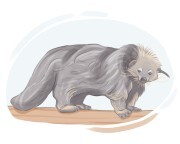
binturong
binturong
[Főnév]

a unique arboreal mammal with a long, bushy tail, shaggy fur, and a distinctive popcorn-like scent, found in Southeast Asia

binturong, medvemacska
binturong, medvemacska

Ex: A binturong uses its long prehensile tail to help maintain balance in the trees. 
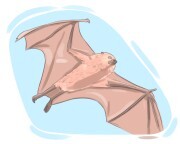
flying fox
flying fox
[Főnév]

a large, nocturnal bat with a wingspan of up to six feet, found in various parts of the world, known for its ability to fly long distances and feed on fruit

repülő róka, óriás denevér

repülő róka, óriás denevér

Ex: A large flying fox glided silently over the treetops. 
fruit bat
fruit bat
[Főnév]

a bat that feeds on fruits and lives in tropical countries

gyümölcsevő denevér, repülőkutya
gyümölcsevő denevér, repülőkutya

Ex: Fruit bats feed mainly on ripe fruit, nectar, and flowers. 
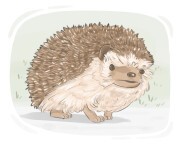
hedgehog
hedgehog
[Főnév]

a small mammal that is active at night, which is covered with spines and can roll itself while attacked

sündisznó, közönséges sündisznó
sündisznó, közönséges sündisznó

Ex: A hedgehog wandered across the garden after dark. 
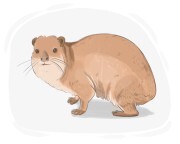
hyrax
hyrax
[Főnév]

a small furry mammal with a short tail and hoof-like toes that mainly eats vegetables

kőszáli, hyrax

kőszáli, hyrax

Ex: Hyraxes live in rocky habitats and feed mainly on plants. 
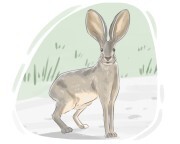
jackrabbit
jackrabbit
[Főnév]

a wild mammal like a rabbit, called hare, native to open parts of the US

amerikai nyúl, jackrabbit
amerikai nyúl, jackrabbit

Ex: Jackrabbits use their long ears to help regulate body temperature. 
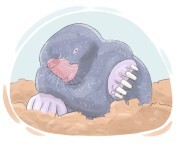
mole
mole
[Főnév]

a small mammal with velvety fur, tiny eyes and a long muzzle that lives underground and eats insects

vakond, mole
vakond, mole

Ex: Moles spend most of their lives digging tunnels underground. 
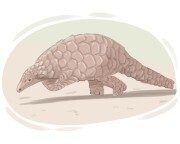
pangolin
pangolin
[Főnév]

a nocturnal mammal covered in hard, overlapping scales, feeding primarily on ants and termites, and capable of curling into a protective ball

pikkelyes hangyász, pangolin
pikkelyes hangyász, pangolin

Ex: Illegal trafficking has made the pangolin one of the most endangered mammals. 

Az illegális kereskedelem a pikkelyes hangyászt az egyik legsúlyosabban veszélyeztetett emlőssé tette.

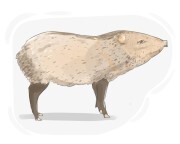
peccary
peccary
[Főnév]

a mid-sized nocturnal mammal that resembles a pig and has hooves, usually found through North and South America

pekari, amerikai vaddisznó
pekari, amerikai vaddisznó

Ex: Peccaries often travel in small groups through forests and scrublands. 
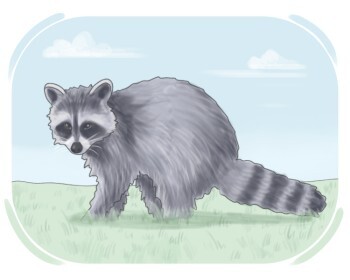
raccoon
raccoon
[Főnév]

a small animal with a thick tail, gray-brown fur and black marks on its face

mosómedve, raccoon
mosómedve, raccoon

Ex: Residents secured their garbage bins to prevent raccoons from making a mess in their neighborhood. 

A lakosok biztosították a kukáikat, hogy megakadályozzák a mosómedvéket abban, hogy rendetlenséget okozzanak a környékükön.

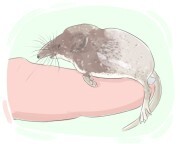
shrew
shrew
[Főnév]

a small nocturnal mammal with long snout and tiny eyes, which feeds on insects

cickány, mezei egér
cickány, mezei egér

Ex: A tiny shrew darted beneath the fallen log. 
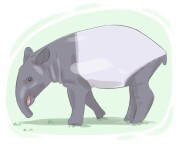
tapir
tapir
[Főnév]

a large herbivorous mammal with a short trunk that lives in forests of South and Central America or Southeast Asia

tapír, amerikai tapír
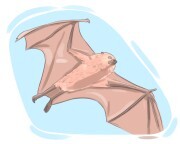
tapír, amerikai tapír

Ex: A tapir stepped quietly out of the forest and approached the river. 
vampire bat
vampire bat
[Főnév]

a small winged mammal that feeds on the blood of other animals and is found in tropical regions of South America

vámpírdenevér, vámpír
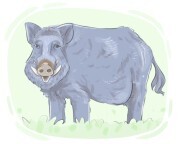
vámpírdenevér, vámpír

Ex: A vampire bat left its cave shortly after sunset. 
wild boar
wild boar
[Főnév]

a wild pig with a pair of small tusks that is native to Eurasia and North Africa

vaddisznó
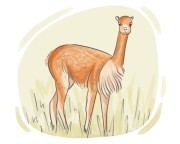
vaddisznó

Ex: Wild boars use their strong snouts to dig for roots and other food. 
vicuna
vicuna
[Főnév]

a small, elegant camelid species native to the high Andean regions of South America

vikunya, egy kis

vikunya, egy kis

Ex: A herd of vicunas moved across the open plateau at sunrise. 
tenrec
tenrec
[Főnév]

a small insectivorous mammal species found in Madagascar and Africa, known for its diverse and unique physical adaptations

tenrec, kis rovarevő emlős

tenrec, kis rovarevő emlős

Ex: Some tenrecs have spines that make them look a little like hedgehogs. 
star-nosed mole

a small, fossorial mammal with a unique star-shaped nose that is covered in sensitive tentacles used for locating prey in underground environments

csillagorrú vakond, csillagorrú

csillagorrú vakond, csillagorrú

Ex: A star-nosed mole tunneled through the wet soil near the stream. 
tamandua
tamandua
[Főnév]

a small mammal with a slender body, long tail, and distinctive bushy coat, known for its insectivorous diet and arboreal lifestyle in Central and South America

tamandua, törpehangyász

tamandua, törpehangyász

Ex: A tamandua used its long tongue to feed from a termite nest. 
mouflon
mouflon
[Főnév]

a wild sheep species with a distinctive appearance, including a stocky body, short legs, curved horns, and a brown to reddish-brown coat

muflon

muflon

Ex: A male mouflon stood apart from the herd, its curved horns clearly visible. 
argali
argali
[Főnév]

the largest wild sheep species, characterized by its massive body, long curved horns, and shaggy coat

argali, ázsiai vad juh

argali, ázsiai vad juh

Ex: A male argali displayed its enormous curved horns during the breeding season. 
urial
urial
[Főnév]

a wild sheep found in central Asia known for its curved horns, stocky build, and ability to adapt to harsh environments

urial, közép-ázsiai vadjuh
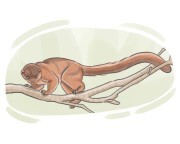
urial, közép-ázsiai vadjuh

Ex: A male urial stood on the ridge with its curved horns clearly visible. 
olingo
olingo
[Főnév]

a small mammal found in Central and South America, known for its long, bushy tail and ability to live in trees

olinguito, olinguito

olinguito, olinguito

Ex: An olingo used its long tail for balance while climbing between branches. 
false vampire
false vampire
[Főnév]

a large bat species found in Africa, Asia, and Australia, known for its size and echolocation abilities

hamis vámpír, nagy denevér

hamis vámpír, nagy denevér

Ex: A false vampire bat used echolocation to locate prey in the darkness. 
horseshoe bat
horseshoe bat
[Főnév]

a unique bat species known for its distinctive horseshoe-shaped noseleaf and echolocation abilities

patkósdenevér, patkó alakú orrlevéllel rendelkező denevér

patkósdenevér, patkó alakú orrlevéllel rendelkező denevér

Ex: A horseshoe bat used echolocation to navigate through the dark forest. 
pipistrelle
pipistrelle
[Főnév]

a small insectivorous bat known for its agile flight, echolocation hunting abilities, and diverse diet

pipistrelle, kis rovarevő denevér
pipistrelle, kis rovarevő denevér

Ex: Pipistrelles hunt small flying insects using echolocation. 
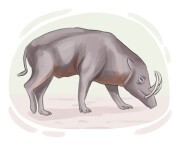
babirusa
babirusa
[Főnév]

a unique species of wild pig found in Indonesia known for its long, curved tusks and distinctive appearance

babirussa, szarvasdisznó

babirussa, szarvasdisznó

Ex: Male babirusas are known for their long tusks, which curve upward from the snout. 
arctic hare
arctic hare
[Főnév]

a large hare species found in the Arctic regions of North America and Greenland

arktikus nyúl, sarki nyúl
arktikus nyúl, sarki nyúl

Ex: Arctic hares have thick fur that helps them survive extreme cold. 
coney
coney
[Főnév]

a small mammal known for its long ears, short tail, and burrowing behavior

nyúl, vadnyúl

nyúl, vadnyúl

Ex: The hunter spotted a coney near the entrance to its burrow. 
cottontail
cottontail
[Főnév]

a small mammal with a distinctive cotton-like tail, belonging to the family Leporidae, known for its agility, speed, and ability to reproduce rapidly

gyapjasfarkú nyúl, gyapjas farok

gyapjasfarkú nyúl, gyapjas farok

Ex: A cottontail rested beneath the shrubs during the heat of the afternoon. 
snowshoe hare
snowshoe hare
[Főnév]

a small mammal with large hind feet, seasonal fur color changes, and a rapid reproductive rate, found in North America

hótalpú nyúl, amerikai hónyúl

hótalpú nyúl, amerikai hónyúl

Ex: Snowshoe hares grow white fur in winter and brown fur in warmer months. 
tree shrew
tree shrew
[Főnév]

a small, arboreal mammal native to Southeast Asia with a slender body, bushy tail, and agile lifestyle

fakúszó cickány, fáni cickány

fakúszó cickány, fáni cickány

Ex: Tree shrews are small, agile mammals found in Southeast Asian forests. 
elephant shrew

a small insectivorous mammal with a long, flexible snout resembling that of an elephant

elefántcickány, macroscelid

elefántcickány, macroscelid

Ex: An elephant shrew darted across the forest floor at remarkable speed. 
rabbit
rabbit
[Főnév]

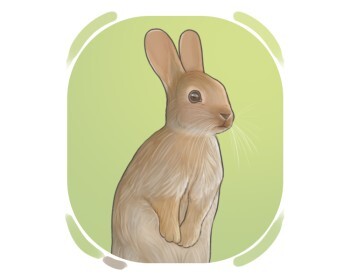
an animal that is small, eats plants, has a short tail, long ears, and soft fur

nyúl
nyúl

Ex: Rabbits are known for their ability to hop and jump. 

A nyulak az ugrás és szökellés képességükről ismertek.

hare
hare
[Főnév]

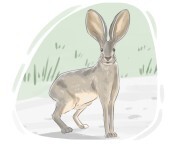
a rabbit-like animal with long legs and ears, which can run very fast

nyúl, vadnyúl

nyúl, vadnyúl

Ex: In the early morning light, a family of hares emerged from their burrow, eager to forage for food. 

A korai reggeli fényben egy nyúl család bukkant elő üregükből, mohón keresve táplálékot.

springhare
springhare
[Főnév]

a nocturnal, herbivorous mammal species found in Africa, known for their powerful hind legs and unique adaptations to desert habitats

ugró nyúl, sztyeppei nyúl

ugró nyúl, sztyeppei nyúl

Ex: A springhare bounded across the open ground on its powerful hind legs. 
LanGeek
LanGeek alkalmazás letöltése