500 Самых Распространённых Английских Наречий - Топ 26 - 50 наречий
Здесь вам предоставлена часть 2 списка самых распространенных наречий в английском языке, таких как "может быть", "никогда" и "все".
Обзор
Флэш-карточки
Правописание
Тест
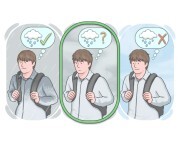
used to show uncertainty or hesitation

возможно
Она может пойти на пляж, если погода улучшится, возможно, даже взять пикник.

not at any point in time
никогда
Она никогда не ест мясо; она вегетарианка с рождения.

at all times, without any exceptions
всегда, все время
Поезд всегда переполнен в час пик.
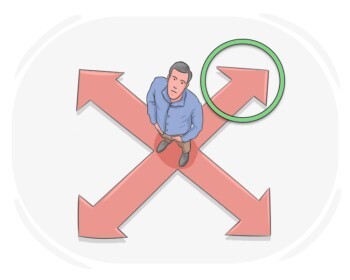
in or to the direction behind us
назад, обратно
Он отошел назад, чтобы дать своему другу больше места для танцев.

used to refer to someone or something that possesses the highest degree or amount of a particular quality
наиболее
Она самый надежный человек, которого я знаю, всегда выполняет свои обещания.

to the full or complete degree
совершенно
Дети были полностью покрыты грязью после игры под дождём.
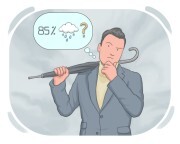
used to show likelihood or possibility without absolute certainty
наверное
Она, вероятно, приедет на вечеринку после 8 вечера.
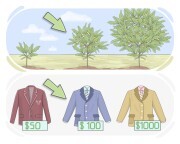
to a degree that is high but not very high
довольно
Фильм был довольно хорошим, хотя концовка показалась поспешной.

at any point in time
всегда, когда-либо
Если когда-либо вам понадобится помощь, просто позвоните мне.

to an acceptable extent
в порядке
Несмотря на трудности, проект продвигается нормально, и мы по графику.

before the present or specified time
уже
Она уже ушла, когда я пришел.

used to give permission or express agreement
конечно
Конечно, я сообщу вам, если будут обновления.
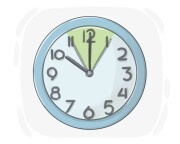
used with a number to show that it is not exact
около
На вечеринке было около 20 человек.
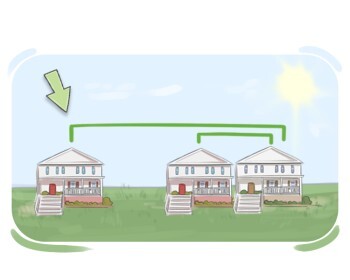
to or at a great distance
далеко
Она прошла далеко в лес, прежде чем найти скрытое озеро.
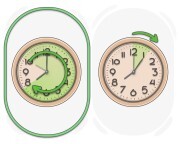
for a great amount of time
долго
Он долго ждал этой возможности показать свой талант.

in the company of or in proximity to another person or people
вместе
Мы шли вместе по тихим улицам.
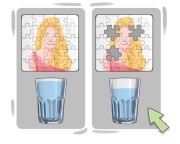
used to say that something is nearly the case but not completely
почти
Она почти пропустила автобус, но успела сесть в него как раз вовремя.
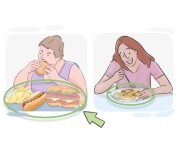
to a large degree
много
Спасибо огромное за помощь с переездом.

in addition to what is already mentioned or known
ещё
Вы хотите что-нибудь еще из магазина?

on some occasions but not always
иногда
Она иногда занимается йогой по утрам.

on many occasions
часто
Он часто помогает своим соседям по хозяйству.
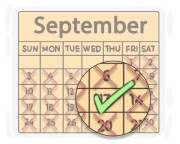
for one single time
один раз
Я ел суши только один раз в Японии.
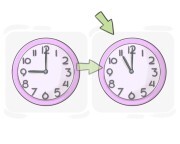
at a time following the current or mentioned moment, without specifying exactly when
попозже
Она планирует поехать в Европу позже, как только её график освободится.