

pattern

500 Leggyakoribb Angol Határozószó - Top 26 - 50 Határozószók

Itt találja a leggyakoribb angol határozók listájának 2. részét, például "talán", "soha" és "mind".

Áttekintés

Villámkártyák

Betűzés

Kvíz

Indítsa el a tanulást
Most Common Adverbs in English Vocabulary
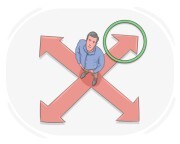
maybe
maybe
[határozószó]

used to show uncertainty or hesitation

talán, esetleg

talán, esetleg

Ex: She may go to the beach if the weather improves, maybe even bring a picnic. 
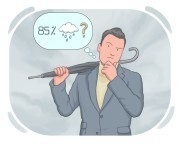
never
never
[határozószó]

not at any point in time

soha, sohasem

soha, sohasem

Ex: She never eats meat; she's been vegetarian since birth. 
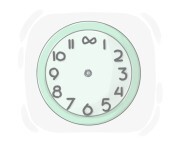
always
always
[határozószó]

at all times, without any exceptions

mindig, folyamatosan

mindig, folyamatosan

Ex: The train is always crowded during rush hour. 
back
back
[határozószó]

in or to the direction behind us

hátra,vissza, in the direction behind us

hátra,vissza, in the direction behind us

Ex: He stepped back to give his friend more room to dance. 
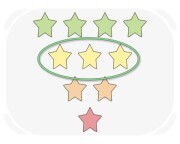
most
most
[határozószó]

used to refer to someone or something that possesses the highest degree or amount of a particular quality

leginkább, a legtöbb

leginkább, a legtöbb

Ex: He is the most intelligent student in the school. 
all
all
[határozószó]

to the full or complete degree

mind, teljesen

mind, teljesen

Ex: The children were covered all in mud after playing in the rain. 
probably
probably
[határozószó]

used to show likelihood or possibility without absolute certainty

valószínűleg, talán

valószínűleg, talán

Ex: She will probably arrive at the party after 8 PM. 
pretty
pretty
[határozószó]

to a degree that is high but not very high

elég, meglehetősen

elég, meglehetősen

Ex: The movie was pretty good, though the ending felt rushed. 
ever
ever
[határozószó]

at any point in time

valaha, soha

valaha, soha

Ex: If ever you need help, just call me. 
all right
all right
[határozószó]

to an acceptable extent

elég jól, helyesen

elég jól, helyesen

Ex: The plan is progressing all right, meeting our expectations. 
already
already
[határozószó]

before the present or specified time

már, korábban

már, korábban

Ex: She had already left when I arrived. 
of course
of course
[Felkiáltás]

used to give permission or express agreement

természetesen, persze

természetesen, persze

Ex: Of course, I agree with your suggestion; it's a great idea. 
about
about
[határozószó]

used with a number to show that it is not exact

körülbelül,  nagyjából

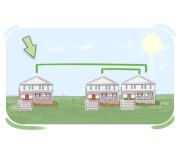
körülbelül, nagyjából

Ex: There were about 20 people at the party. 
far
far
[határozószó]

to or at a great distance

messze, távol

messze, távol

Ex: She could hear the music from far down the street. 
long
long
[határozószó]

for a great amount of time

hosszan, hosszú ideig

hosszan, hosszú ideig

Ex: She waited long for the bus to arrive. 
together
together
[határozószó]

in the company of or in proximity to another person or people

együtt, -val/-vel

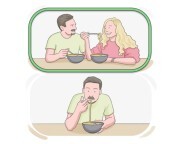
együtt, -val/-vel

Ex: We walked together through the quiet streets. 
almost
almost
[határozószó]

used to say that something is nearly the case but not completely

majdnem, szinte

majdnem, szinte

Ex: She almost missed the bus but managed to catch it just in time. 
a lot
a lot
[határozószó]

to a large degree

sokat, nagyon

sokat, nagyon

Ex: Thanks a lot for helping me with the move. 
else
else
[határozószó]

in addition to what is already mentioned or known

más, ráadásul

más, ráadásul

Ex: Do you want anything else from the store? 
sometimes
sometimes
[határozószó]

on some occasions but not always

néha, alkalmanként

néha, alkalmanként

Ex: She sometimes practices yoga in the morning. 
often
often
[határozószó]

on many occasions

gyakran, sokszor

gyakran, sokszor

Ex: He often helps his neighbors with their chores. 
once
once
[határozószó]

for one single time

egyszer, csak egyszer

egyszer, csak egyszer

Ex: I only ate sushi once in Japan. 
later
later
[határozószó]

at a time following the current or mentioned moment, without specifying exactly when

később, azután

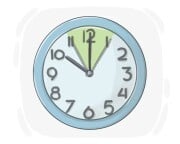
később, azután

Ex: He asked me to return his call later. 
exactly
exactly
[határozószó]

used to indicate that something is completely accurate or correct

pontosan, pont

pontosan, pont

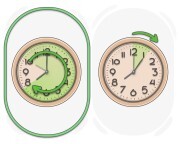
Ex: The answer to the math problem was exactly 42. 
basically
basically
[határozószó]

used to state one's opinion while emphasizing or summarizing its most important aspects

alapvetően, röviden

alapvetően, röviden

Ex: Basically, we need to finish the project by the end of the week. 
LanGeek
LanGeek alkalmazás letöltése