pattern

500 Pinakakaraniwang Pang-abay sa Ingles - Top 26 - 50 Pang-abay

Narito ang ibinigay sa iyo ang bahagi 2 ng listahan ng mga pinakakaraniwang pang-abay sa Ingles tulad ng "marahil", "hindi kailanman" at "lahat".

Repasuhin

Flashcards

Pagbaybay

Pagsusulit
Simulan ang pag-aaral
Most Common Adverbs in English Vocabulary
maybe
maybe
[pang-abay]

used to show uncertainty or hesitation

marahil, baka

marahil, baka

Ex: She may go to the beach if the weather improves, maybe even bring a picnic. 

Maaari siyang pumunta sa beach kung gumanda ang panahon, baka magdala pa ng picnic.
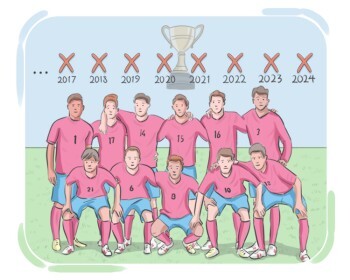
never
never
[pang-abay]

not at any point in time

hindi kailanman, kailanma'y hindi

hindi kailanman, kailanma'y hindi

Ex: She never eats meat; she's been vegetarian since birth. 
always
always
[pang-abay]

at all times, without any exceptions

palagi, lagi't lagi

palagi, lagi't lagi

Ex: The train is always crowded during rush hour. 
back
back
[pang-abay]

in or to the direction behind us

paatras,pabalik, in the direction behind us

paatras,pabalik, in the direction behind us

Ex: She glanced back to see who was following her. 
most
most
[pang-abay]

used to refer to someone or something that possesses the highest degree or amount of a particular quality

pinaka, nangunguna

pinaka, nangunguna

Ex: Of all the candidates, she is the most qualified for the position. 

Sa lahat ng kandidato, siya ang pinaka kwalipikado para sa posisyon.

all
all
[pang-abay]

to the full or complete degree

lahat, ganap

lahat, ganap

Ex: The children were covered all in mud after playing in the rain. 

Ang mga bata ay ganap na natakpan ng putik pagkatapos maglaro sa ulan.
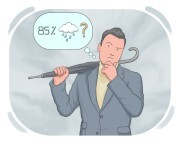
probably
probably
[pang-abay]

used to show likelihood or possibility without absolute certainty

marahil, malamang

marahil, malamang

Ex: She will probably arrive at the party after 8 PM. 

Siya ay malamang na darating sa party pagkatapos ng 8 PM.

pretty
pretty
[pang-abay]

to a degree that is high but not very high

medyo, lubos

medyo, lubos

Ex: I was pretty impressed by his quick thinking under pressure. 
ever
ever
[pang-abay]

at any point in time

kailanman, kahit kailan

kailanman, kahit kailan

Ex: If ever you need help, just call me. 

Kung kailanman kailangan mo ng tulong, tawagan mo lang ako.

all right
all right
[pang-abay]

to an acceptable extent

medyo mabuti, tama

medyo mabuti, tama

Ex: The presentation went all right, with positive feedback from the audience. 

Ang presentasyon ay medyo maayos, na may positibong feedback mula sa madla.

already
already
[pang-abay]

before the present or specified time

na, dati

na, dati

Ex: She had already left when I arrived. 

Na umalis na siya nang dumating ako.

of course
of course
[Pantawag]

used to give permission or express agreement

syempre, oo naman

syempre, oo naman

Ex: Of course, you can bring your friend to the party. 
about
about
[pang-abay]

used with a number to show that it is not exact

mga,  halos

mga, halos

Ex: There were about 20 people at the party. 

May mga 20 tao sa party.

far
far
[pang-abay]

to or at a great distance

malayo, sa malayo
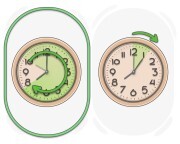
malayo, sa malayo

Ex: She could hear the music from far down the street. 
long
long
[pang-abay]

for a great amount of time

nang matagal, sa loob ng mahabang panahon

nang matagal, sa loob ng mahabang panahon

Ex: The journey took long, but they finally reached their destination. 
together
together
[pang-abay]

in the company of or in proximity to another person or people

magkasama, kasama

magkasama, kasama

Ex: We walked together through the quiet streets. 

Naglakad kami nang magkasama sa mga tahimik na kalye.

almost
almost
[pang-abay]

used to say that something is nearly the case but not completely

halos, muntik na

halos, muntik na

Ex: She almost missed the bus but managed to catch it just in time. 

Halos na-miss niya ang bus ngunit nagawa pa rin niyang mahabol ito sa tamang oras.
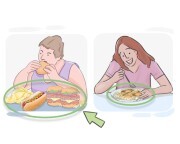
a lot
a lot
[pang-abay]

to a large degree

marami, sobra

marami, sobra

Ex: Thanks a lot for helping me with the move. 

Maraming salamat sa pagtulong sa akin sa paglipat.

else
else
[pang-abay]

in addition to what is already mentioned or known

iba pa, bukod pa

iba pa, bukod pa

Ex: Do you want anything else from the store? 
sometimes
sometimes
[pang-abay]

on some occasions but not always

minsan, kung minsan

minsan, kung minsan

Ex: She sometimes practices yoga in the morning. 
often
often
[pang-abay]

on many occasions

madalas, palagi

madalas, palagi

Ex: He often helps his neighbors with their chores. 
once
once
[pang-abay]

for one single time

isang beses, minsan lang

isang beses, minsan lang

Ex: I only ate sushi once in Japan. 

Kumain lang ako ng sushi isang beses sa Japan.
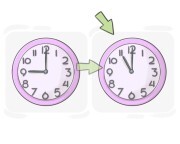
later
later
[pang-abay]

at a time following the current or mentioned moment, without specifying exactly when

mamaya, pagkatapos

mamaya, pagkatapos

Ex: We can always add more people to the project later. 

Maaari naming palaging magdagdag ng higit pang mga tao sa proyekto mamaya.

exactly
exactly
[pang-abay]

used to indicate that something is completely accurate or correct

eksakto, tumpak

eksakto, tumpak

Ex: The answer to the math problem was exactly 42. 

Ang sagot sa problema sa math ay eksaktong 42.

basically
basically
[pang-abay]

used to state one's opinion while emphasizing or summarizing its most important aspects

talaga, sa madaling salita

talaga, sa madaling salita

Ex: Basically, we need to finish the project by the end of the week. 

Talaga, kailangan nating tapusin ang proyekto sa katapusan ng linggo.

LanGeek
I-download ang app ng LanGeek