pattern

500 Kata Keterangan Bahasa Inggris yang Paling Umum - Top 26 - 50 Kata Keterangan

Di sini Anda disediakan dengan bagian 2 dari daftar kata keterangan yang paling umum dalam bahasa Inggris seperti "mungkin", "tidak pernah" dan "semua".

Tinjau ulang

Kartu flash

Ejaan

Kuis
Mulai belajar
Most Common Adverbs in English Vocabulary
maybe
maybe
[Adverbia]

used to indicate that something is possible but not certain
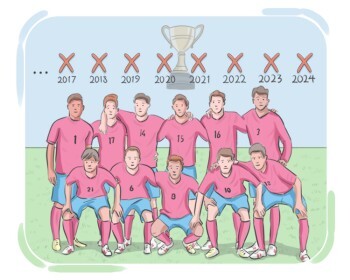
Ex: It will take maybe two hours to finish the project. 
Tutup
Masuk
never
never
[Adverbia]

not at any point in time

tidak pernah,pernah tidak

tidak pernah,pernah tidak

Ex: I never thought I'd see such a beautiful sunset. 

Aku tidak pernah menyangka akan melihat matahari terbenam yang begitu indah.

Tutup
Masuk
always
always
[Adverbia]

at all times, without any exceptions

selalu,terus-menerus

selalu,terus-menerus

Ex: The restaurant always serves delicious food. 

Restoran selalu menyajikan makanan lezat.
Tutup
Masuk
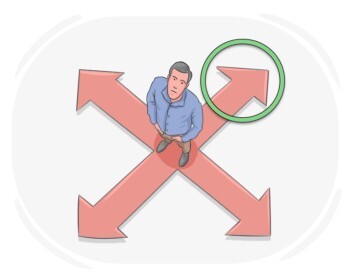
back
back
[Adverbia]

in or to the direction behind us

mundur,ke belakang, in the direction behind us

mundur,ke belakang, in the direction behind us

Ex: He stepped back to give his friend more room to dance. 

Dia mundur ke belakang untuk memberi temannya lebih banyak ruang untuk menari.

Tutup
Masuk
most
most
[Adverbia]

used to refer to someone or something that possesses the highest degree or amount of a particular quality

paling,terbanyak

paling,terbanyak

Ex: He is the most intelligent student in the school. 

Dia adalah siswa paling pintar di sekolah.

Tutup
Masuk
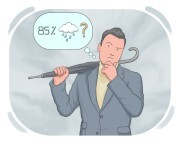
all
all
[Adverbia]

to the full or complete degree

semua,sepenuhnya

semua,sepenuhnya

Ex: The streets were deserted, all but for a few stray cats roaming about. 

Jalan-jalan sepi, semua kecuali beberapa kucing liar yang berkeliaran.
Tutup
Masuk
probably
probably
[Adverbia]

used to indicate that something is very likely to happen or be true, but is not certain

Ex: We'll probably take the bus to the airport. 
Tutup
Masuk
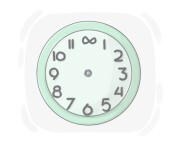
pretty
pretty
[Adverbia]

to a degree that is high but not very high

cukup,agak

cukup,agak

Ex: The movie was pretty good, though the ending felt rushed. 

Filmnya cukup bagus, meskipun akhirnya terasa terburu-buru.
Tutup
Masuk
ever
ever
[Adverbia]

at any point in time

pernah,kapan saja

pernah,kapan saja

Ex: Don't ever speak to me like that again. 

Jangan pernah berbicara seperti itu lagi padaku.

Tutup
Masuk
all right
all right
[Adverbia]

in a satisfactory or acceptable way, although not necessarily very well
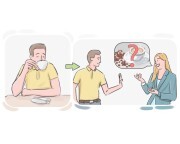
Ex: James managed all right without any help. 
Tutup
Masuk
already
already
[Adverbia]

before the present time or another specified point in time

Ex: Emily already knew the answer before the teacher explained it. 
Tutup
Masuk
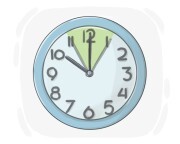
of course
of course
[Interjeksi]

used to give permission or express agreement

tentu saja,pastinya

tentu saja,pastinya

Ex: Of course, I agree with your suggestion; it's a great idea. 

Tentu saja, saya setuju dengan saran Anda; itu ide yang bagus.
Tutup
Masuk
about
about
[Adverbia]

used to indicate that a number, amount, or measurement is approximate
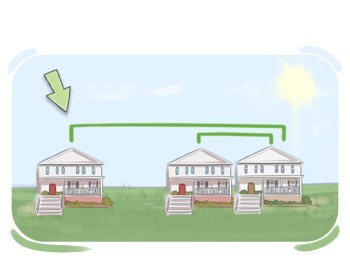
Ex: James spent about a hundred dollars on groceries. 
Tutup
Masuk
far
far
[Adverbia]

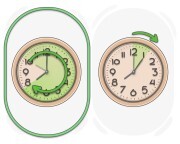
to or at a great distance

jauh,dari jauh

jauh,dari jauh

Ex: The children could see the kite soaring far above the treetops. 

Anak-anak bisa melihat layang-layang terbang jauh di atas puncak pohon.
Tutup
Masuk
long
long
[Adverbia]

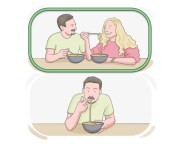
for a great amount of time

lama,untuk waktu yang lama

lama,untuk waktu yang lama

Ex: The effects of the medication are expected to last long. 

Efek obat diperkirakan akan bertahan lama.
Tutup
Masuk
together
together
[Adverbia]

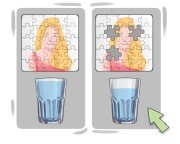
with or near another person or other people
with or near another person or other people

with or near another person or other people

Ex: They traveled together across Europe last summer. 
Tutup
Masuk
almost
almost
[Adverbia]

used to say that something is nearly the case but not completely

hampir,nyaris

hampir,nyaris

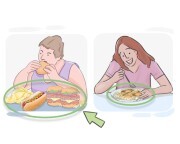
Ex: The store was almost empty, with just a few customers browsing the aisles. 

Toko itu hampir kosong, hanya ada beberapa pelanggan yang melihat-lihat di lorong.
Tutup
Masuk
a lot
a lot
[Adverbia]

to a large degree

sangat,sekali

sangat,sekali

Ex: This book means a lot to me. 

Buku ini berarti banyak bagi saya.

Tutup
Masuk
else
else
[Adverbia]

used after certain pronouns and question words to refer to someone or something additional to what has already been mentioned
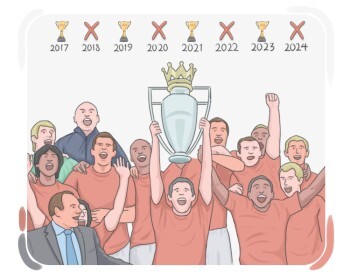
used after certain pronouns and question words to refer to someone or something additional to what has already been mentioned

used after certain pronouns and question words to refer to someone or something additional to what has already been mentioned

Ex: If you don't like this restaurant, we can go somewhere else for lunch. 
Tutup
Masuk
sometimes
sometimes
[Adverbia]

on some occasions, but not always

on some occasions, but not always
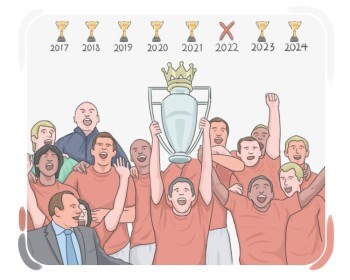
on some occasions, but not always

Ex: They sometimes play board games as a family. 
Tutup
Masuk
often
often
[Adverbia]

on numerous occasions or at frequent intervals
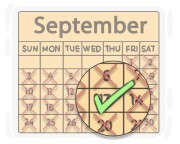
on numerous occasions or at frequent intervals
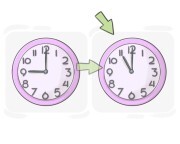
on numerous occasions or at frequent intervals

Ex: Mike has often talked about moving to California. 
Tutup
Masuk
once
once
[Adverbia]

on one occasion only or a single time

Ex: I've tried sushi once, but I didn't like it. 
Tutup
Masuk
later
later
[Adverbia]

at a time following the current or mentioned moment, without specifying exactly when

nanti,kemudian

nanti,kemudian

Ex: He asked me to return his call later. 

Dia meminta saya untuk menghubunginya kembali nanti.

Tutup
Masuk
exactly
exactly
[Adverbia]

with complete accuracy, without any error or approximation

Ex: Sarah measured the table exactly before ordering a new cover. 
Tutup
Masuk
basically
basically
[Adverbia]

used to state one's opinion while emphasizing or summarizing its most important aspects

pada dasarnya,singkatnya

pada dasarnya,singkatnya

Ex: Basically, she's saying that we need to try harder. 

Pada dasarnya, dia mengatakan bahwa kita perlu berusaha lebih keras.

Tutup
Masuk
LanGeek
Unduh aplikasi LanGeek