pattern

Книга Face2face - Средний - Блок 12 - 12B

Здесь вы найдете словарный запас из Unit 12 - 12B в учебнике Face2Face Intermediate, такие как "подавленный", "ладить", "хуже" и т.д.

Обзор

Флэш-карточки

формы

Правописание

Тест

Начать учиться
Face2face - Intermediate
to get
to get
[глагол]

to receive or come to have something

получить
получить

Ex: The children got toys from their grandparents .

Дети получили игрушки от своих бабушек и дедушек.

Закрыть
Войти
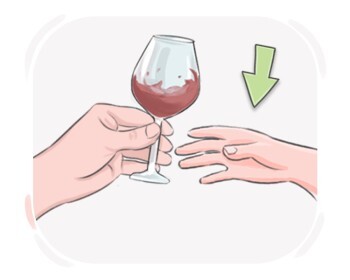
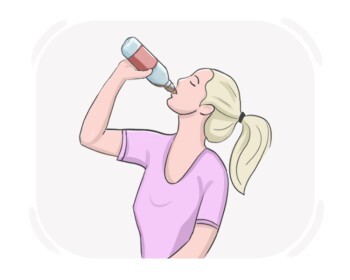
to drink
to drink
[глагол]

to put water, coffee, or other type of liquid inside of our body through our mouth

пить
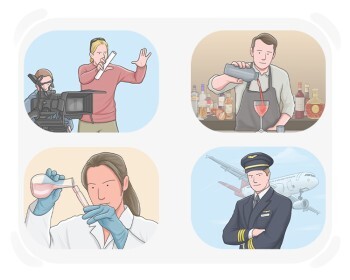
пить

Ex: My parents always drink orange juice for breakfast .

Мои родители всегда пьют апельсиновый сок на завтрак.

Закрыть
Войти
job
job
[существительное]

the work that we do regularly to earn money

работа
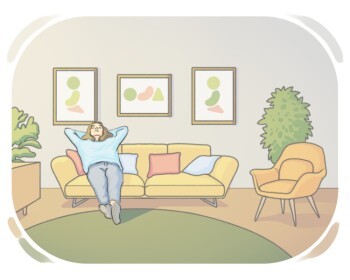
работа

Ex: She is looking for a part-time job to earn extra money .

Она ищет работу с частичной занятостью, чтобы заработать дополнительные деньги.

Закрыть
Войти
to get
to get
[глагол]

to reach a specific place

добраться

добраться

Ex: I got home from work a little earlier than usual .

Я добрался до дома с работы немного раньше, чем обычно.

Закрыть
Войти
home
home
[существительное]

the place that we live in, usually with our family

дом
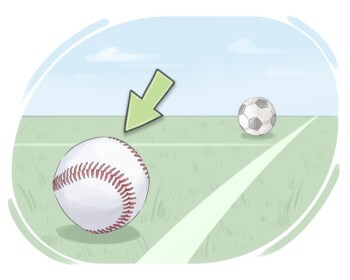
дом

Ex: He enjoys the peaceful atmosphere of his home.

Он наслаждается мирной атмосферой своего дома.

Закрыть
Войти
here
here
[наречие]

at a specific, immediate location

здесь, сюда

здесь, сюда

Ex: Wait for me here, I 'll be back soon !

Жди меня здесь, я скоро вернусь!

Закрыть
Войти
there
there
[наречие]

at a place that is not where the speaker is

там

там

Ex: I left my bag there yesterday .

Я оставил свою сумку там вчера.

Закрыть
Войти
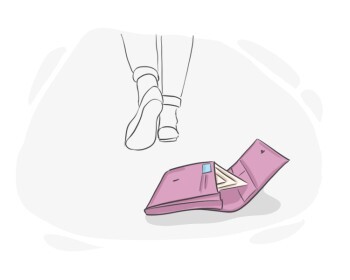
lost
lost
[прилагательное]

unable to be located or recovered and is no longer in its expected place

потерянный

потерянный

Ex: He felt lost after moving to a new city, struggling to find his way around and make new friends.

Он чувствовал себя потерянным после переезда в новый город, с трудом находя дорогу и завязывая новые знакомства.

Закрыть
Войти
depressed
depressed
[прилагательное]

feeling very unhappy and having no hope

подавленный

подавленный

Ex: He became depressed during the long , dark winter .

Он стал подавленным во время долгой, тёмной зимы.

Закрыть
Войти
to get
to get
[глагол]

to start to have an idea, impression, or feeling

ощущать

ощущать

Ex: I got a strange feeling when I entered the abandoned building .

У меня появилось странное чувство, когда я вошел в заброшенное здание.

Закрыть
Войти
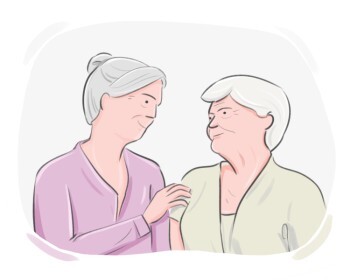
to get on
to get on
[глагол]

to have a good, friendly, or smooth relationship with a person, group, or animal

сгладить отношения

сгладить отношения

Ex: They've been trying to get on with their in-laws and build a strong family connection.

Они пытались ладить со своими родственниками и построить крепкие семейные узы.

Закрыть
Войти
to [get] to know  {sb/sth}

to become familiar with someone or something by spending time with them and learning about them

знакомиться
знакомиться

Ex: He joined the club to get to know more people with similar interests.
Закрыть
Войти
fed up
fed up
[прилагательное]

feeling tired, annoyed, or frustrated with a situation or person

сытый

сытый

Ex: We 're all fed up with the constant bickering in the office ; it 's affecting our productivity .

Мы все сыты по горло постоянными перебранками в офисе; это сказывается на нашей производительности.

Закрыть
Войти
to [be|get|stay] in touch
to be in touch
[фраза]

to be in contact with someone, particularly by seeing or writing to them regularly

Поддерживать связь с кем-то

Поддерживать связь с кем-то

Ex: I hope we can stay in touch after you move to another city.
Закрыть
Войти
to get around
to get around
[глагол]

to persuade someone or something to agree to what one wants, often by doing things they like

убедить

убедить

Ex: The charity organization is skilled at getting around donors and securing contributions .

Благотворительная организация умело убеждает доноров и обеспечивает взносы.

Закрыть
Войти
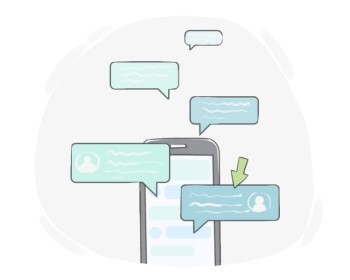
message
message
[существительное]

a written or spoken piece of information or communication sent to or left for another person

сообщение

сообщение

Ex: The email contained an important business message.

В электронном письме содержалось важное деловое сообщение.

Закрыть
Войти
to get back
to get back
[глагол]

to return to a place, state, or condition

вернуться

вернуться

Ex: He’ll get back to work once he’s feeling better.

Он вернется к работе, как только почувствует себя лучше.

Закрыть
Войти
to [get] rid of {sb/sth}

to put aside or remove a person or thing in order to no longer have them present or involved

освободиться от, отбросить

освободиться от, отбросить

Ex: She wanted to get rid of toxic relationships and surround herself with positive influences.
Закрыть
Войти
to [get] into trouble

to become involved in a problematic or difficult situation, often as a result of one's actions or decisions

Испытываете трудности с кем-то
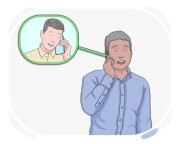
Испытываете трудности с кем-то

Ex: Getting involved with the wrong crowd can lead teenagers to get into trouble.
Закрыть
Войти
phone call
phone call
[существительное]

the act of speaking to someone or trying to reach them on the phone

телефонный звонок

телефонный звонок

Ex: During the meeting , she stepped out to take an important phone call regarding a job opportunity .

Во время встречи она вышла, чтобы принять важный телефонный звонок по поводу возможности работы.

Закрыть
Войти
better
better
[прилагательное]

having more of a good quality

лучше

лучше

Ex: Upgraded safety features make the latest car model better equipped to protect passengers in case of an accident.

Улучшенные функции безопасности делают последнюю модель автомобиля лучше оснащенной для защиты пассажиров в случае аварии.

Закрыть
Войти
worse
worse
[прилагательное]

of inferior quality, less satisfactory, or less pleasant compared to something else

худший

худший

Ex: The service at that restaurant was worse than I expected .

Обслуживание в том ресторане было хуже, чем я ожидал.

Закрыть
Войти
older
older
[прилагательное]

having lived for a greater amount of time than something or someone else

более старый

более старый

Ex: His older sister taught him how to ride a bike when he was five .

Его старшая сестра научила его кататься на велосипеде, когда ему было пять лет.

Закрыть
Войти
LanGeek
Скачать приложение LanGeek