pattern

A2 Level Vocabulary - Adverbs

Learn A2 French adverbs for expressing time, frequency, manner, degree, place, and opinion, and make your sentences and conversations more natural, precise, and varied.

Review

Flashcards

Spelling

Quiz

Start learning
Vocabulaire de niveau A2
à peine
à peine
[Adverb]

indique une faible quantité ou intensité, presque rien

barely, hardly

barely, hardly

Ex: Elle a à peine mangé ce matin. 

She hardly ate this morning.

Close
Sign in
en tout cas
en tout cas
[Adverb]

quoi qu'il arrive ; de toute façon

in any case, anyway

in any case, anyway

Ex: Ce n'est pas parfait, mais en tout cas ça marche. 
Close
Sign in
sans aucun doute

avec une certitude totale, sans hésitation

without any doubt, undoubtedly

without any doubt, undoubtedly

Ex: Elle réussira sans aucun doute son examen. 

She will undoubtedly pass her exam.

Close
Sign in
environ
environ
[Adverb]

indique une approximation, une quantité ou un temps proche de la réalité

about, around

about, around

Ex: Le train part dans environ cinq minutes. 

The train leaves in about five minutes.
Close
Sign in
longtemps
longtemps
[Adverb]

pendant une durée longue, pour une longue période

for a long time, a long time

for a long time, a long time

Ex: Elle est restée longtemps à l'étranger. 

She stayed abroad for a long time.

Close
Sign in
surtout
surtout
[Adverb]

plus que tout autre chose, particulièrement

especially, above all

especially, above all

Ex: Elle travaille surtout le matin. 

She works especially in the morning.

Close
Sign in
ailleurs
ailleurs
[Adverb]

dans un autre lieu, pas ici

elsewhere, somewhere else

elsewhere, somewhere else

Ex: Il habite ailleurs maintenant. 

He lives somewhere else now.

Close
Sign in
partout
partout
[Adverb]

dans tous les lieux, en tous endroits

everywhere, all over

everywhere, all over

Ex: J'ai cherché partout mes lunettes. 

I looked everywhere for my glasses.

Close
Sign in
pourtant
pourtant
[Adverb]

introduit une opposition ou une surprise par rapport à ce qui précède

however, yet

however, yet

Ex: Elle est malade, pourtant elle va au travail. 

She is sick, however she goes to work.
Close
Sign in
finalement
finalement
[Adverb]

à la fin d'un processus ou d'une situation

finally, eventually

finally, eventually

Ex: Il a longtemps hésité, mais il est finalement parti. 

He hesitated for a long time, but he eventually left.
Close
Sign in
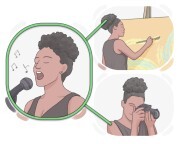
également
également
[Adverb]

de la même manière ou en plus de ce qui a été dit

also, as well

also, as well

Ex: Ce livre est intéressant, et également très utile. 

This book is interesting and also very useful.

Close
Sign in
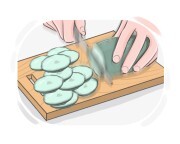
spécialement

de façon particulière ou pour un but précis

especially, specifically

especially, specifically

Ex: Elle a choisi ce livre spécialement pour toi. 

She chose this book especially for you.
Close
Sign in
rapidement
rapidement
[Adverb]

de manière rapide ou en peu de temps

quickly, rapidly

quickly, rapidly

Ex: Elle a répondu rapidement à mon message. 

She responded quickly to my message.

Close
Sign in
autrefois
autrefois
[Adverb]

dans le passé, il y a longtemps

formerly, in the past

formerly, in the past

Ex: Les gens vivaient autrement autrefois. 

People lived differently in the past.

Close
Sign in
facilement
facilement
[Adverb]

sans difficulté, d'une manière simple

easily, effortlessly

easily, effortlessly

Ex: Elle apprend facilement les langues. 

She learns languages easily.

Close
Sign in
régulièrement

de manière constante ou selon un intervalle précis

regularly, consistently

regularly, consistently

Ex: Nous recevons régulièrement des nouvelles de lui. 

We regularly receive news from him.

Close
Sign in
trop
trop
[Adverb]

utilisé pour renforcer un adjectif ou un adverbe de manière informelle

very, really

very, really

Ex: Elle est trop gentille avec tout le monde. 

She is really kind to everyone.

Close
Sign in
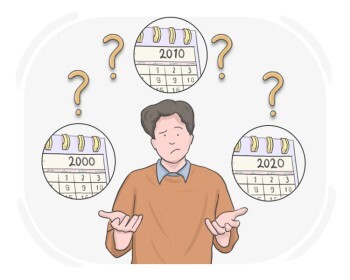
assez
assez
[Adverb]

en quantité suffisante, ni trop ni trop peu

enough, sufficient

enough, sufficient

Ex: Nous avons assez de temps pour finir le projet. 

We have enough time to finish the project.
Close
Sign in
quand
quand
[Adverb]

pour demander ou indiquer le moment où quelque chose se produit

when

when

Ex: Je ne sais pas quand il va revenir. 

I do not know when he will return.

Close
Sign in
où
où
[Adverb]

utilisé pour demander le lieu ou la direction de quelque chose

where

where

Ex: Où vas-tu demain ? 

Where are you going tomorrow?

Close
Sign in
toutefois
toutefois
[Adverb]

introduit une restriction ou une opposition atténuée à ce qui vient d'être dit

however, nevertheless

however, nevertheless

Ex: Ce n'est pas parfait ;  toutefois, ça peut fonctionner. 

It's not perfect; nevertheless, it can work.

Close
Sign in
cependant
cependant
[Adverb]

marque une opposition ou une restriction

however, nevertheless

however, nevertheless

Ex: Elle est fatiguée, cependant elle continue à travailler. 

She is tired, nevertheless she keeps working.

Close
Sign in
LanGeek
Download LanGeek app