
Certificato Goethe B1 - Media e Giornalismo
Impara parole tedesche per notizie, stampa, giornalismo, resoconti e contenuti mediatici e amplia il tuo vocabolario B1 per parlare di fonti informative, copertura giornalistica e temi pubblici.
Revisione
Flashcard
forme
Ortografia
Quiz


Technische Mittel oder Plattformen zur Verbreitung von Informationen, z. B. Fernsehen, Internet, Zeitungen

media, mezzi di comunicazione
Lui lavora nei media come giornalista.
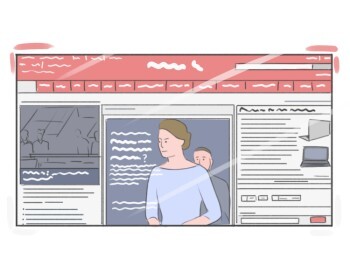
Alle Zeitungen, Zeitschriften und Medien, die Nachrichten veröffentlichen
stampa, media
C'erano critiche alla stampa libera.

Ein Unternehmen, das Bücher, Zeitungen oder andere Medien produziert und veröffentlicht
casa editrice, editore
La casa editrice ha rifiutato il manoscritto.

Person, die Nachrichten sammelt und berichtet
giornalista, reporter
Il giornalista intervista il politico.

Eine Person, die über Ereignisse berichtet und Informationen an die Öffentlichkeit weitergibt
giornalista, reporter
La giornalista sta facendo un'intervista in questo momento.

Eine schriftliche oder mündliche Darstellung von Ereignissen oder Fakten
rapporto, resoconto
Il rapporto ha aiutato a capire il problema.

Ein ausführlicher, oft persönlicher Bericht über ein aktuelles Ereignis oder ein bestimmtes Thema
reportage, reportage
Gli studenti devono scrivere il proprio reportage.

Eine Nachricht oder Information über etwas, das passiert ist
rapporto, notizia
Ho ricevuto una notifica sul mio telefono.
Eine neue Information oder Nachricht, die bisher noch nicht bekannt war
notizia, novità
La notizia ha sorpreso tutti.

Etwas offiziell oder öffentlich mitteilen
annunciare
L'azienda deve annunciare le modifiche.
Etwas öffentlich machen, zum Beispiel einen Text oder eine Information
pubblicare, rendere pubblico
Pubbliciamo i nostri risultati di ricerca.

von einer Behörde oder zuständigen Stelle ausgehend oder bestätigt und daher glaubwürdig

Dem äußeren Anschein nach erkennbar
evidente, apparente
La verità è stata mostrata nel modo più evidente.

Das, was sich in einem Behälter oder einer Datei befindet oder worum es in einem Text geht
contenuto, materia
Qual è il contenuto del film?

Der Titel oben auf einem Text oder Artikel
titolo, intestazione
Ogni giornale ha molti titoli.

Ein kleines Heft mit Informationen
opuscolo, brochure
Ha preso un opuscolo dal tavolo.

eine Anzeige in einer Zeitung, im Internet oder an einem öffentlichen Ort, mit der man etwas bekannt macht, anbietet oder sucht
Eine kurze Anzeige in Zeitung, Zeitschrift oder online
inserzione, annuncio
L'annuncio contiene tutte le informazioni importanti sul prodotto.
Werbung, die darauf abzielt, Produkte oder Dienstleistungen bekannt zu machen
pubblicità, annuncio
La pubblicità è stata trasmessa alla radio.

Maßnahme, um für ein Produkt oder eine Dienstleistung Interesse zu wecken
pubblicità, annuncio
Lui lavora in un'agenzia di pubblicità.

Eine Befragung von vielen Menschen zu einem Thema
sondaggio, indagine
Hai partecipato al sondaggio ?

Ein Gerät zum Empfang von Audiosendungen oder Musik über elektromagnetische Wellen
radio, apparecchio radio
In macchina, spesso ascolto la radio.
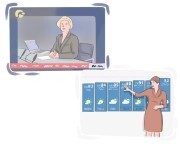
Ein Unternehmen oder eine Station, die Fernseh- oder Radiosendungen produziert und ausstrahlt
canale, stazione
La stazione radio trasmette musica tutto il giorno.
Ein Fernsehsender, über den Programme ausgestrahlt werden
canale, canale televisivo
Cambiamo canale a causa del film.
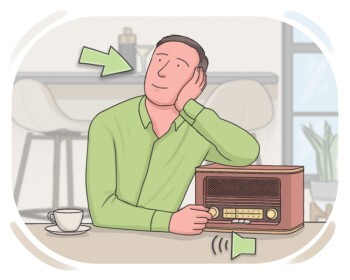
Eine Person, die aufmerksam zuhört, besonders bei einem Vortrag, Gespräch oder im Radio
ascoltatore, uditore
Come ascoltatore, ha imparato molto dalla discussione.
Eine Person, die aufmerksam zuhört, besonders bei einem Vortrag, Konzert oder Gespräch
ascoltatore, ascoltatrice
L'insegnante ha lodato gli ascoltatori per la loro pazienza.

Ein Gerät zum Abspielen von Videos
lettore video
Guardiamo film con il video.
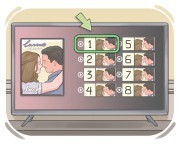
Eine einzelne Episode einer Serie oder Sendung
episodio, puntata
Direkt danach kommend oder als Nächstes erscheinend
seguente, successivo
Successivo sono i nomi nell'elenco.
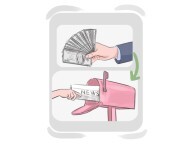
Etwas regelmäßig beziehen oder erhalten, meist gegen Bezahlung
abbonarsi, sottoscrivere
Puoi abbonarti all'offerta online.
Regelmäßiger Bezug einer Zeitung, Zeitschrift oder eines Dienstes
abbonamento, sottoscrizione
Ho sottoscritto un abbonamento al giornale.

Austausch von Informationen, Gedanken oder Gefühlen zwischen Menschen
comunicazione, scambio di informazioni
I bambini imparano la comunicazione sociale fin da piccoli.
