


to be situated or established in a particular place

nacházet se, být umístěn
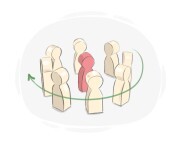
to be around something on all sides
obklopit, obklíčit
Stromy obklopovaly kemp, poskytovaly stín a soukromí.
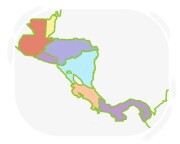
a line that separates two countries, provinces, or states from each other
hranice, mez
Hraniční hlídka je odpovědná za sledování a prosazování přistěhovaleckých zákonů podél hranic země.
(of an area or region) inhabited by many people or living beings
obydlený, hustě osídlený
Tato čtvrť je jednou z nejvíce obydlených ve městě.
to possess many good qualities, advantages, or opportunities
a society that has developed its own culture and institutions in a particular period of time or place
civilizace, společnost
Vzestup civilizace v Mezopotámii znamenal počátek zaznamenané historie.
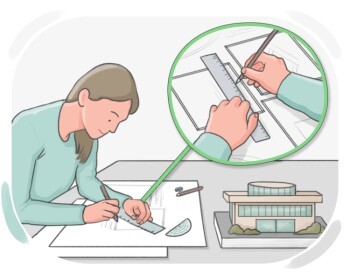
the study or art of building and designing houses
architektura
Byla přitahována architekturou kvůli jejímu jedinečnému spojení kreativity, technických dovedností a řešení problémů v zastavěném prostředí.

the group of politicians in control of a country or state
vláda, správa
Vláda zavedla nové politiky ke zlepšení zdravotního systému země a učinila ho dostupnějším pro všechny občany.
to exert a significant influence on the development, nature, or outcome of something
utvářet, ovlivňovat
Politické ideologie a politiky mohou utvářet socioekonomickou krajinu národa a životy jeho občanů.
the downfall, loss, or defeat of someone or something, often irreversible
pád, porážka
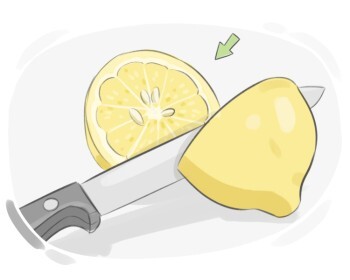
to separate people or things into two or more groups, parts, etc.
dělit, oddělit
Projev politika rozdělil veřejné mínění v této otázce.
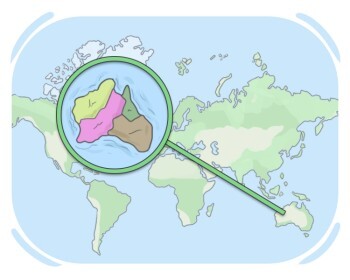
a large area of land or of the world with specific characteristics, which is usually borderless
region, oblast
Různé oblasti země zažívají různé povětrnostní podmínky.

used to express the cause or reason for a particular outcome
díky, kvůli
Problém byl rychle vyřešen díky odbornosti technika.

not favoring either side in a conflict, competition, debate, etc.
neutrální, nestranný
Neutrální zóna mezi dvěma zeměmi zajišťuje mír a vyhýbá se konfliktům.

to put a great deal of effort to overcome difficulties or achieve a goal
bojovat, usilovat
Právě teď horolezci bojují, aby dosáhli vrcholu.

a form of government where power is concentrated in the hands of a single individual or a small group, often with absolute authority, without the consent of the people
diktatura, diktátorský režim
Mnoho zemí bojovalo proti diktatuře ve 20. století.
to gain a position of political control or authority

to support a person or group against someone else in a fight or argument
postavit se na stranu, podporovat
Veřejnost měla tendenci stát na straně znevýhodněných ve sporu o sociální spravedlnost.

a system of government or a country or state that is ruled by a king or queen
monarchie, království
V konstituční monarchii jsou pravomoci krále nebo královny omezeny zákonem.
to trace the existence or origin of something to a specific point in time
sahají, vracet se
Archivy místní knihovny sahají až k založení města.
the central area of an ancient Roman amphitheater where contests and spectacles were held; especially an area that was strewn with sand
aréna, pískem posypaná plocha
(ancient Rome) a professional combatant or a captive who entertained the public by engaging in mortal combat
gladiátor, profesionální bojovník
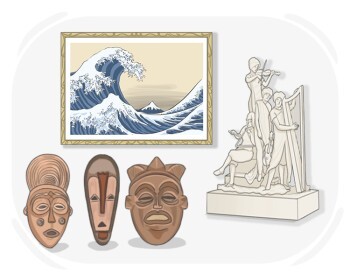
any creative piece such as paintings, sculptures, etc., that is created by an artist to convey a message or express an emotions
umělecké dílo
Milovníci umění se sešli na zahájení výstavy, aby ocenili a diskutovali o vystavených uměleckých dílech.
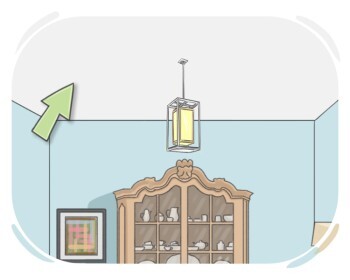
the highest part of a room, vehicle, etc. that covers it from the inside
strop, strop místnosti
Leží na podlaze a představuje si tvary na stropě.

places that tourists are interested in, particularly those with historical, cultural, or natural significance
památky, turistické atrakce
Prozkoumávání památek nového města je zásadní součástí přímého prožívání jeho kultury a historie.
to get or find something especially good or lucky
the location where something began, developed, or was first created
rodiště, kolébka
Ta kavárna je pamatována jako rodiště jejich revolučních nápadů.

to express respect toward someone or something often due to qualities, achievements, etc.
obdivovat
Komunita obdivuje místního filantropa za jeho štědrost a oddanost charitativním účelům.
a piece of art created with great skill, which is an artist's best work
mistrovské dílo, vrcholné dílo
Ústředním bodem galerie bylo mistrovské dílo, které zachytilo podstatu lidských emocí.
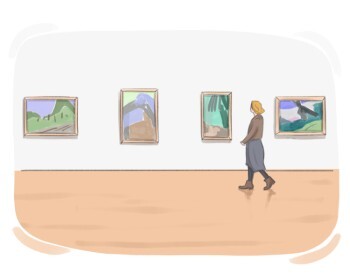
a place in which works of art are shown or sold to the public
galerie
Galerie nabízí workshopy pro začínající umělce, aby se naučili nové techniky a zlepšili své dovednosti.
to fail to deal with all aspects of a problem, topic, etc.
jen se dotknout povrchu, nejít do hloubky
Její článek je užitečný, ale tématu se dotýká jen velmi povrchně.
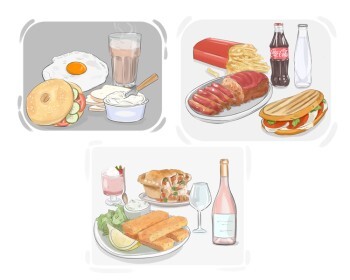

a plant of the mint family with aromatic leaves that are eaten raw or cooked
bazalka, královská bylina
Mezi všemi bylinkami je bazalka moje oblíbená.
to satisfy a craving or desire, especially for food or drink
přijít k chuti, být přesně to pravé
Po tréninku sklenice studené vody opravdu přišla k chuti.
easy to remember or worth remembering, particularly because of being different or special
pamětihodný, nezapomenutelný
Projev, který pronesl na promoci, byl tak inspirativní, že se stal nej pamětihodnější částí obřadu.
having a gently rising and falling surface with many small hills
kopcovitý
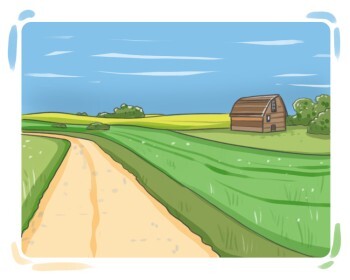
the area with farms, fields, and trees, that is outside cities and towns
venkov, venkovská oblast
Vyrostl na venkově, obklopen rozsáhlými poli a loukami.
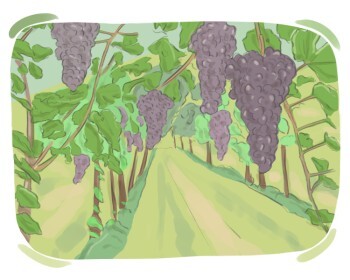
a piece of land on which grapes are grown to make wine
vinice
Jako koníček zasadili na svém pozemku malý vinohrad.
a small group of trees planted closely together, often cultivated for their ornamental value or fruit production
háj, ovocný sad
Zahradníci zasadili hájek sekvojí, aby vytvořili stinné útočiště v parku.
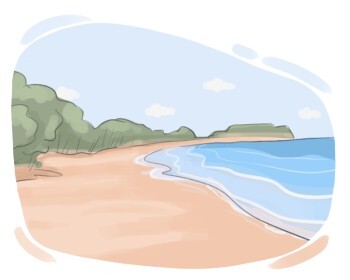
the boundary between land and water, particularly as seen on a map or from above
pobřeží, pobřežní čára
Turisté obdivovali krásu středomořského pobřeží.
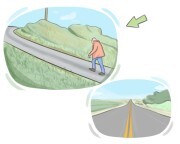
(of a surface) having a sharp slope or angle, making it difficult to climb or walk up
strmý, příkrý
Váhal s lyžováním po strmém svahu, vědom si, že to bude vzrušující, ale riskantní dobrodružství.
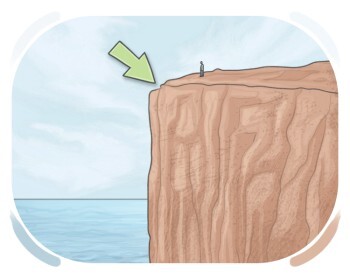
an area of rock that is high above the ground with a very steep side, often at the edge of the sea
útes, propast
Ptáci si postavili svá hnízda podél strmé stěny útesu.
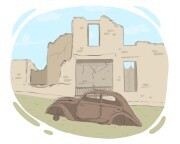
(plural) the remains of something such as a building after it has been seriously damaged or destroyed
trosky, zříceniny
Archeologický tým objevil trosky starověkého města.
| Slovní zásoba jižní Evropy a Balkánu | |||
|---|---|---|---|
| Itálie | Španělsko | Portugalsko | Řecko |
| Turecko | Bosna a Hercegovina | Chorvatsko | Bulharsko |
| Srbsko | Albánie | ||
