
Vocabulario de Europa del Sur y los Balcanes - Italia
Revisión
Tarjetas de memoria
formas
Ortografía
Cuestionario


to be situated or established in a particular place

situarse, estar ubicado
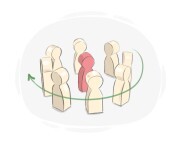
to be around something on all sides
rodear
El parque está rodeado de edificios altos, creando un oasis pacífico.
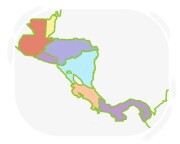
a line that separates two countries, provinces, or states from each other
frontera
La valla marca la frontera entre las dos propiedades, asegurando una demarcación clara.
(of an area or region) inhabited by many people or living beings
poblado, habitado
El parque estaba lleno, pero la sección más poblada estaba cerca de la entrada.
to possess many good qualities, advantages, or opportunities
a society that has developed its own culture and institutions in a particular period of time or place
civilización
Muchos aspectos de la civilización griega influyen en la filosofía y el arte contemporáneos.
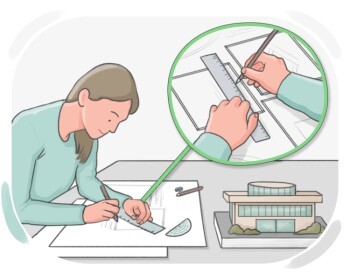
the study or art of building and designing houses
arquitectura
Muchos estudiantes eligen estudiar arquitectura para aprender a diseñar edificios que sean tanto funcionales como estéticamente agradables.
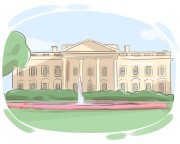
the group of politicians in control of a country or state
gobierno
El gobierno es responsable de asegurar que se cumplan las leyes y que se protejan los derechos de los ciudadanos.
to exert a significant influence on the development, nature, or outcome of something
moldear, influir
El trasfondo cultural de un individuo a menudo moldea su visión del mundo y sus percepciones del mundo.
the downfall, loss, or defeat of someone or something, often irreversible
caída
La caída del héroe en la historia fue trágica.
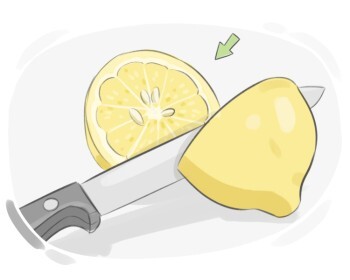
to separate people or things into two or more groups, parts, etc.
dividir
En este momento, el árbitro está dividiendo los equipos antes del partido de fútbol.
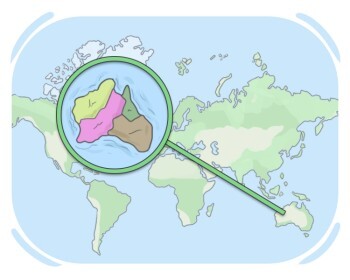
a large area of land or of the world with specific characteristics, which is usually borderless
región, zona
Oriente Medio es una región geopolíticamente significativa, caracterizada por diversas culturas, religiones y paisajes políticos.

used to express the cause or reason for a particular outcome
gracias a, debido a
Pudieron terminar el proyecto antes de lo previsto gracias a un trabajo en equipo eficiente.

not favoring either side in a conflict, competition, debate, etc.
neutral
El juez debe permanecer neutral en cualquier situación en la sala del tribunal.
to put a great deal of effort to overcome difficulties or achieve a goal
luchar, esforzarse
Ella luchó por superar su miedo a hablar en público, pero con práctica y apoyo, mejoró.

a form of government where power is concentrated in the hands of a single individual or a small group, often with absolute authority, without the consent of the people
dictadura
La gente vivía con miedo bajo las estrictas leyes de la dictadura.
to gain a position of political control or authority
to support a person or group against someone else in a fight or argument
ponerse de parte de, ponerse del lado de, tomar partido por
El jurado se puso del lado de el demandante de manera unánime en la sala del tribunal.

a system of government or a country or state that is ruled by a king or queen
monarquía
Los ciudadanos celebraron el aniversario de su monarquía con un gran desfile.
to trace the existence or origin of something to a specific point in time
remontarse, retroceder
El compromiso de la empresa con la sostenibilidad se remonta a décadas.
the central area of an ancient Roman amphitheater where contests and spectacles were held; especially an area that was strewn with sand
arena, ruedo
(ancient Rome) a professional combatant or a captive who entertained the public by engaging in mortal combat
gladiador, combatiente profesional
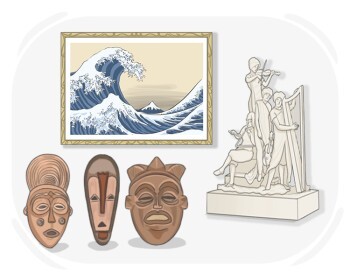
any creative piece such as paintings, sculptures, etc., that is created by an artist to convey a message or express an emotions
obra
El curador del museo organizó cuidadosamente la exposición para mostrar una variedad de obras de arte contemporáneas.
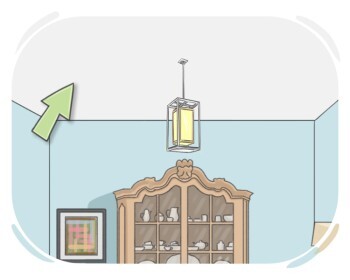
the highest part of a room, vehicle, etc. that covers it from the inside
techo
Notó una mancha de agua en el techo y llamó a un profesional para arreglar la fuga.

places that tourists are interested in, particularly those with historical, cultural, or natural significance
vista
Los guías turísticos locales a menudo brindan comentarios perspicaces mientras conducen a los visitantes por los lugares de interés, ofreciendo anécdotas fascinantes y contexto histórico.
to get or find something especially good or lucky
the location where something began, developed, or was first created
lugar de nacimiento, cuna
El pequeño pueblo se conoció como el lugar de nacimiento del movimiento.
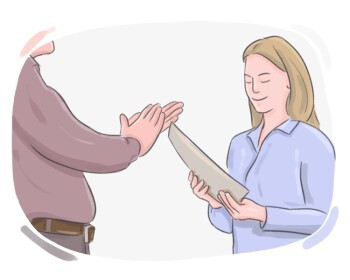
to express respect toward someone or something often due to qualities, achievements, etc.
admirar
Los colegas a menudo admiran a su líder de equipo por sus habilidades de liderazgo y dedicación.
a piece of art created with great skill, which is an artist's best work
obra maestra
La escultura fue aclamada como una obra maestra, que muestra el talento y la visión excepcionales del artista.
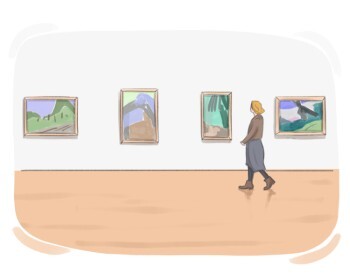
a place in which works of art are shown or sold to the public
galería
La última instalación de la galería se centra en temas contemporáneos, utilizando el arte como medio para el comentario social.
to fail to deal with all aspects of a problem, topic, etc.
quedarse en la superficie, no entrar en profundidad
Una sola sesión de formación solo puede rozar la superficie de la ciberseguridad.
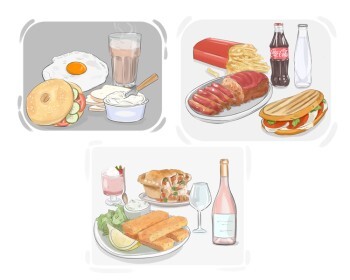

a plant of the mint family with aromatic leaves that are eaten raw or cooked
albahaca
Con un toque de creatividad, añadí albahaca como adorno a mi ensalada de frutas.
to satisfy a craving or desire, especially for food or drink
sentar de maravilla, ser justo lo que apetecía
No quería una comida pesada; ese bocadillito me sentó de maravilla.
easy to remember or worth remembering, particularly because of being different or special
memorable
Las vacaciones memorables en las montañas estuvieron llenas de experiencias inolvidables.
having a gently rising and falling surface with many small hills
ondulado
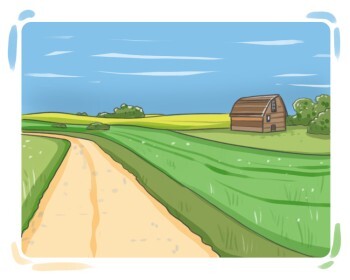
the area with farms, fields, and trees, that is outside cities and towns
campo
Alquilaron una cabaña en el campo para un fin de semana de escapada.
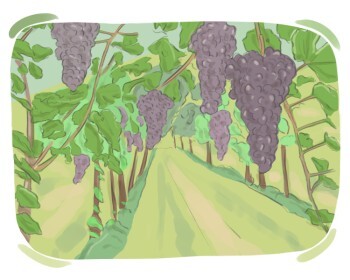
a piece of land on which grapes are grown to make wine
viña, viñedo
Heredó un viñedo familiar y ahora produce su propio vino.
a small group of trees planted closely together, often cultivated for their ornamental value or fruit production
arboleda, huerto
El bosquecillo de manzanos fue cuidadosamente podado para maximizar la calidad de la fruta.
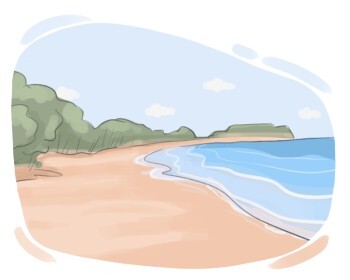
the boundary between land and water, particularly as seen on a map or from above
costa
Dio un paseo pintoresco por la costa.
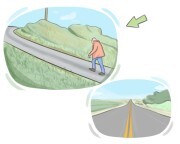
(of a surface) having a sharp slope or angle, making it difficult to climb or walk up
empinado, escarpado
La entrada empinada hacía difícil que los coches subieran en condiciones heladas.
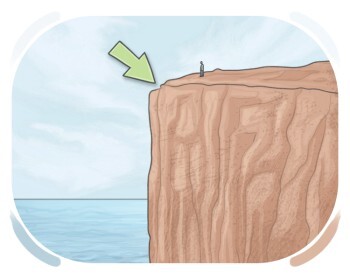
an area of rock that is high above the ground with a very steep side, often at the edge of the sea
acantilado, precipicio
Las olas chocaban contra la base del acantilado, lanzando rocíos de espuma.
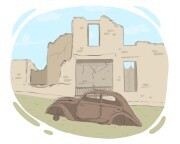
(plural) the remains of something such as a building after it has been seriously damaged or destroyed
ruinas
Los arqueólogos trabajaron para preservar las ruinas históricas.
