pattern

Kniha Four Corners 3 - Jednotka 4 Lekce A - Část 1

Zde najdete slovní zásobu z jednotky 4 lekce A - část 1 v učebnici Four Corners 3, jako je "ocenění", "mořská nemoc", "místní" atd.

Revize

Kartičky

tvary

Pravopis

Kvíz
Začněte se učit
Four Corners 3
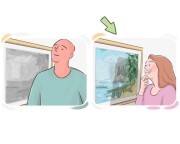
interesting
interesting
[Přídavné jméno]

catching and keeping our attention because of being unusual, exciting, etc.

zajímavý, poutavý

zajímavý, poutavý

Ex: The teacher made the lesson interesting by including interactive activities .

Učitel udělal lekci zajímavou zahrnutím interaktivních aktivit.
life
life
[Podstatné jméno]

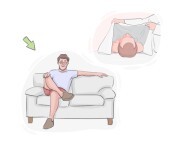
the state of existing as a person who is alive

život, existence

život, existence

Ex: She enjoys her life in the city .

Užívá si svůj život ve městě.

experience
experience
[Podstatné jméno]

the skill and knowledge we gain from doing, feeling, or seeing things

zkušenost

zkušenost

Ex: Life experience teaches us valuable lessons that we carry with us throughout our lives .

Životní zkušenost nás učí cenným lekcím, které si neseme s sebou po celý život.

award
award
[Podstatné jméno]

a sum of money or other compensation granted by a court as the result of a legal judgment

náhrada škody, kompenzace
náhrada škody, kompenzace

Ex: The jury decided on an award of $ 50,000 for emotional distress .

Porota rozhodla o odškodnění ve výši 50 000 dolarů za emocionální utrpení.

bone
bone
[Podstatné jméno]

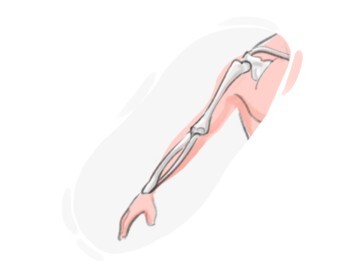
any of the hard pieces making up the skeleton in humans and some animals

kost, lidská kost
kost, lidská kost

Ex: The surgeon performed a bone graft to repair the damaged bone.

Chirurg provedl kostní štěp k opravě poškozené kosti.

to act
to act
[sloveso]

to play or perform a role in a play, movie, etc.

hrát, zahrát
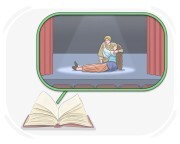
hrát, zahrát

Ex: For the TV series, the actress had to act as a brilliant scientist.

Pro televizní seriál herečka musela hrát roli brilantní vědkyně.

play
play
[Podstatné jméno]

a written story that is meant to be performed on a stage, radio, or television

hra, divadelní hra

hra, divadelní hra

Ex: Her award-winning play received rave reviews from both critics and audiences .

Její oceněná hra získala nadšené recenze jak od kritiků, tak od publika.

on
on
[Přídavné jméno]

scheduled or planned to happen as intended

plánovaný, naplánovaný

plánovaný, naplánovaný

Ex: The conference is on for next month.

Konference je naplánována na příští měsíc.
to get
to get
[sloveso]

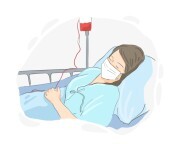
to catch a disease or an illness

chytit, nakazit se

chytit, nakazit se

Ex: Many travelers worry about getting malaria when visiting certain regions .

Mnoho cestovatelů se obává, že dostanou malárii při návštěvě určitých oblastí.

seasick
seasick
[Přídavné jméno]

feeling sick or nauseous due to the motion of the ship or boat one is traveling with

mořská nemoc, nevolno z pohybu lodi

mořská nemoc, nevolno z pohybu lodi

Ex: Despite the beautiful views , he felt too seasick to enjoy the boat ride .

Navzdory krásným výhledům se cítil příliš mořskou nemocí, aby si užil jízdu lodí.
to move
to move
[sloveso]

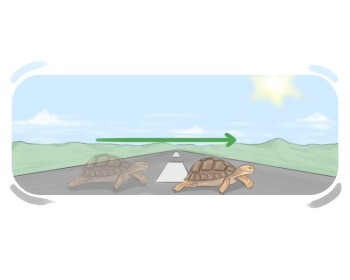
to change your position or location

hýbat se, přesunout se
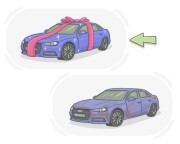
hýbat se, přesunout se

Ex: The dancer moved gracefully across the stage .

Tanečník se pohyboval půvabně po jevišti.

new
new
[Přídavné jméno]

recently invented, made, etc.

nový, čerstvý

nový, čerstvý

Ex: A new energy-efficient washing machine was introduced to reduce household energy consumption .

Byl představen nový energeticky úsporný pračka, který snižuje spotřebu energie v domácnostech.

city
city
[Podstatné jméno]

a larger and more populated town

město, velkoměsto

město, velkoměsto

Ex: We often take weekend trips to nearby cities for sightseeing and relaxation .

Často podnikáme víkendové výlety do blízkých měst za poznáním a odpočinkem.

phone
phone
[Podstatné jméno]

an electronic device used to talk to a person who is at a different location

telefon, mobilní telefon

telefon, mobilní telefon

Ex: Before the advent of smartphones , landline phones were more common .

Před příchodem chytrých telefonů byly pevné telefony běžnější.

hero
hero
[Podstatné jméno]

a person who deserves great admiration for their bravery or good deeds

hrdina, hrdinka

hrdina, hrdinka

Ex: Everyday heroes can be people who help others without seeking recognition .

Každodenní hrdinové mohou být lidé, kteří pomáhají druhým, aniž by hledali uznání.

local
local
[Přídavné jméno]

related or belonging to a particular area or place that someone lives in or mentions

místní, regionální

místní, regionální

Ex: He 's a regular at the local pub , where he enjoys catching up with friends .

Je pravidelným návštěvníkem místního pubu, kde rád potkává přátele.

to surprise
to surprise
[sloveso]

to make someone feel mildly shocked

překvapit, udivit
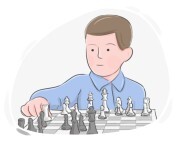
překvapit, udivit

Ex: Walking into the room , the bright decorations and cheering friends truly surprised him .

Když vstoupil do místnosti, jasné dekorace a povzbuzující přátelé ho opravdu překvapili.

though
though
[Spojka]

used to say something surprising compared to the main idea

ačkoli, přestože

ačkoli, přestože

Ex: Though she 's allergic to cats , she adopted one because it needed a home .

Ačkoli je alergická na kočky, adoptovala jednu, protože potřebovala domov.
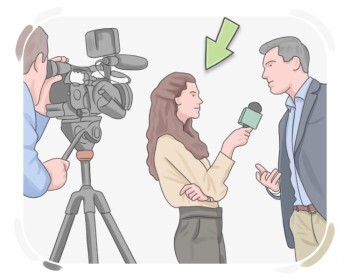
TV reporter
TV reporter
[Podstatné jméno]

a person whose job is to present spoken or written information that is newly recieved on television

televizní reportér, televizní novinář

televizní reportér, televizní novinář

Ex: The station sent their top TV reporter to cover the story.

Stanice poslala svého nejlepšího televizního reportéra, aby pokryl příběh.
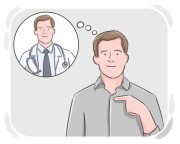
to be
to be
[sloveso]

used when naming, or giving description or information about people, things, or situations

být, nacházet se
být, nacházet se

Ex: Why are you being so stubborn ?

Proč jsi tak tvrdohlavý?

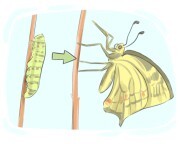
to become
to become
[sloveso]

to start or grow to be

stát se,  stát se
stát se, stát se

Ex: The noise became unbearable during construction .

Hluk se během stavby stal nesnesitelným.

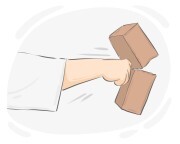
to break
to break
[sloveso]

to separate something into more pieces, often in a sudden way

zlomit, rozbít
zlomit, rozbít

Ex: She did n't mean to break the vase ; it slipped from her hands .

Nechtěla rozbít vázu; vyklouzla jí z rukou.

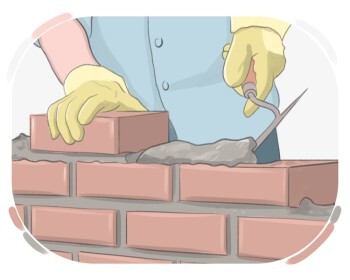
to build
to build
[sloveso]

to put together different materials such as brick to make a building, etc.

stavět, budovat

stavět, budovat

Ex: The historical monument was built in the 18th century .

Historická památka byla postavena v 18. století.

to buy
to buy
[sloveso]

to get something in exchange for paying money

koupit
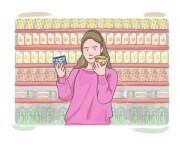
koupit

Ex: Did you remember to buy tickets for the concert this weekend ?

Pamatoval sis na koupi lístků na koncert tento víkend?

to choose
to choose
[sloveso]

to decide what we want to have or what is best for us from a group of options

vybrat, zvolit
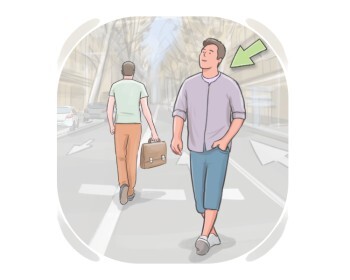
vybrat, zvolit

Ex: The chef will choose the best ingredients for tonight 's special .

Šéfkuchař vybere ty nejlepší suroviny pro dnešní speciál.

to come
to come
[sloveso]

to move toward a location that the speaker considers to be close or relevant to them

přijít, dorazit

přijít, dorazit

Ex: They came to the park to play soccer.

Přišli do parku hrát fotbal.

to do
to do
[sloveso]

to perform an action that is not mentioned by name

dělat, provádět
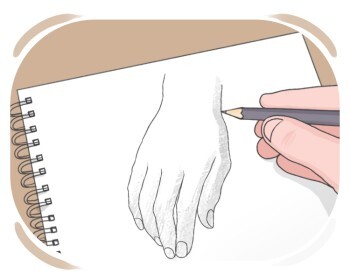
dělat, provádět

Ex: Is there anything that I can do for you?

Je něco, co pro vás mohu udělat?

to draw
to draw
[sloveso]

to make a picture of something using a pencil, pen, etc. without coloring it

kreslit
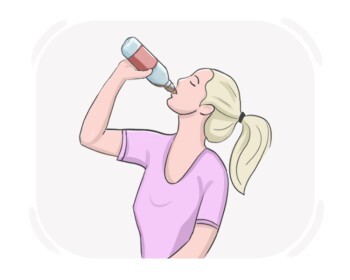
kreslit

Ex: They drew the outline of a house in their art project .

Nakreslili obrys domu ve svém uměleckém projektu.

to drink
to drink
[sloveso]

to put water, coffee, or other type of liquid inside of our body through our mouth

pít
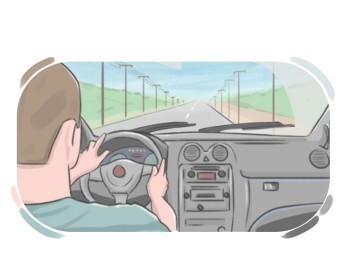
pít

Ex: My parents always drink orange juice for breakfast .

Moji rodiče vždy pijí pomerančový džus k snídani.

to drive
to drive
[sloveso]

to control the movement and the speed of a car, bus, truck, etc. when it is moving

řídit
řídit

Ex: Please be careful and drive within the speed limit .

Buďte opatrní a řiďte v rámci rychlostního limitu.

to eat
to eat
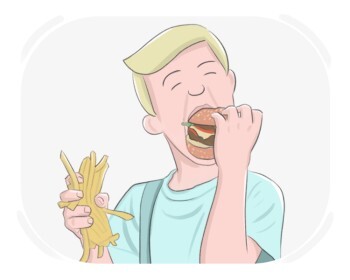
[sloveso]

to put food into the mouth, then chew and swallow it

jíst
jíst

Ex: The kids were so hungry after playing outside that they could n't wait to eat dinner .

Děti byly po hraní venku tak hladové, že se nemohly dočkat, až sní večeři.

to fall
to fall
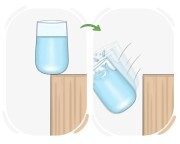
[sloveso]

to quickly move from a higher place toward the ground

padat,  spadnout

padat, spadnout

Ex: The leaves fall from the trees in autumn .

Listí padá ze stromů na podzim.

television
television
[Podstatné jméno]

an electronic device with a screen that receives television signals, on which we can watch programs

televize, televizor
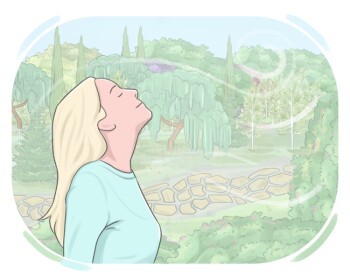
televize, televizor

Ex: She turned the television on to catch the news .

Zapnula televizi, aby viděla zprávy.

to feel
to feel
[sloveso]

to experience a particular emotion

cítit, prožívat

cítit, prožívat

Ex: I feel excited about the upcoming holiday .

Cítím se nadšený z nadcházejících prázdnin.

couple
couple
[Podstatné jméno]

a small, unspecified number of things or people, usually two or a few

pár, dva tři

pár, dva tři

Ex: A couple of students stayed behind to help clean the classroom .

Pár studentů zůstalo, aby pomohlo uklidit třídu.

LanGeek
Stáhnout aplikaci LanGeek