pattern

Slovní zásoba pro IELTS General (Skóre 6-7) - Názory

Zde se naučíte některá anglická slova související s názory, která jsou nezbytná pro zkoušku IELTS General Training.

Revize

Kartičky

tvary

Pravopis

Kvíz

Začněte se učit
Vocabulary for General Training IELTS (6-7)
to denounce
to denounce
[sloveso]

to publicly express one's disapproval of something or someone

odsoudit, kritizovat

odsoudit, kritizovat

Ex: The organization denounced the unfair treatment of workers , advocating for labor rights .

Organizace odsoudila nespravedlivé zacházení s pracovníky a zasazovala se o pracovní práva.
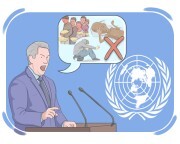
to deplore
to deplore
[sloveso]

to openly and strongly disapprove or condemn something

odmítnout, litovat

odmítnout, litovat

Ex: The community deplored the destruction of the local park and rallied to save it .

Komunita odsoudila zničení místního parku a spojila se, aby ho zachránila.
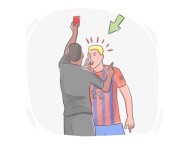
to object
to object
[sloveso]

to express disapproval of something

namítat, protestovat
namítat, protestovat

Ex: As a consumer advocate , she regularly objects to unfair business practices that harm consumers .

Jako zastánce spotřebitelů pravidelně namítá proti nekalým obchodním praktikám, které poškozují spotřebitele.

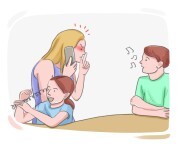
to reproach
to reproach
[sloveso]

to blame someone for a mistake they made

vyčítat, kárát

vyčítat, kárát

Ex: The mother reproached her child for the rude behavior towards a classmate .

Matka pokárala své dítě za hrubé chování ke spolužákovi.
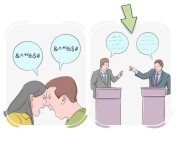
to dispute
to dispute
[sloveso]

to argue with someone, particularly over the ownership of something, facts, etc.

sporit, diskutovat

sporit, diskutovat

Ex: The athletes disputed the referee 's decision , claiming it was unfair and biased .

Sportovci napadli rozhodnutí rozhodčího a tvrdili, že je nespravedlivé a zaujaté.

to disparage
to disparage
[sloveso]

to speak negatively about someone, often shaming them

hanět, pomlouvat

hanět, pomlouvat

Ex: It is important that we not disparage others based on superficial judgments .

Je důležité, abychom ne ponižovali ostatní na základě povrchních úsudků.
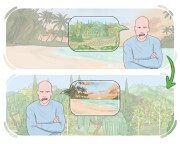
to grumble
to grumble
[sloveso]

to complain quietly or softly, often in a way that others cannot hear or understand

bručet, stěžovat si potichu

bručet, stěžovat si potichu

Ex: She grumbled about the long wait in line .

Bručela nad dlouhým čekáním ve frontě.

to mutter
to mutter
[sloveso]

to grumble or speak in a low, discontented manner

mumlat,  bručet

mumlat, bručet

Ex: If the project fails , team members might mutter about poor management decisions .

Pokud projekt selže, členové týmu by mohli mumlat o špatných manažerských rozhodnutích.

to gripe
to gripe
[sloveso]

to complain or express dissatisfaction about something

stěžovat si, remcat

stěžovat si, remcat

Ex: He griped to his friends about the unfair game .

Stěžoval si svým přátelům na nespravedlivou hru.

to scold
to scold
[sloveso]

to criticize in a severe and harsh manner

kárat, plísnit

kárat, plísnit

Ex: The policy recommends that teachers not scold students in a way that damages their self-esteem .

Politika doporučuje, aby učitelé nekárali studenty způsobem, který poškozuje jejich sebeúctu.

to revile
to revile
[sloveso]

to criticize someone or something in a harsh insulting manner

tupit, hanět

tupit, hanět

to whine
to whine
[sloveso]

to express one's discontent or dissatisfaction in an annoying manner

fňukat, stěžovat si

fňukat, stěžovat si

Ex: The dog started to whine when it wanted to go outside .

Pes začal kňučet, když chtěl ven.

to decry
to decry
[sloveso]

to openly express one's extreme disapproval or criticism

odsuzovat, kritizovat

odsuzovat, kritizovat

Ex: For years , she had decried the corruption within the local government .

Roky odsuzovala korupci v místní vládě.
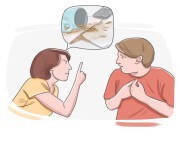
to rebuke
to rebuke
[sloveso]

to strongly criticize someone for their actions or words

pokárat, plísnit

pokárat, plísnit

Ex: It is essential that parents not rebuke their children without providing constructive feedback .

Je nezbytné, aby rodiče své děti bez poskytnutí konstruktivní zpětné vazby nekárali.

to vilify
to vilify
[sloveso]

to spread bad and awful commentaries about someone in order to damage their reputation

pomluvit, hanět

pomluvit, hanět

Ex: It is essential that journalists not vilify individuals without verified evidence .

Je nezbytné, aby novináři bez ověřených důkazů jednotlivce nepomlouvali.

to censure
to censure
[sloveso]

to strongly criticize in an official manner

kritizovat, pokárat

kritizovat, pokárat

Ex: The mayor was censured by the city council for his controversial remarks .

Starosta byl pokárán městskou radou za své kontroverzní poznámky.
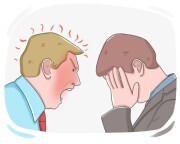
to reprimand
to reprimand
[sloveso]

to severely criticize or scold someone for their actions or behaviors

pokárat, plísnit

pokárat, plísnit

Ex: The guideline suggests that managers not reprimand employees in a way that undermines their motivation .

Směrnice navrhuje, aby manažeři nepokárali zaměstnance způsobem, který podkopává jejich motivaci.

to badmouth
to badmouth
[sloveso]

to criticize or speak unfavorably about someone or something, often in an unfair or unkind way.

pomlouvat, hanět

pomlouvat, hanět

Ex: It is crucial that individuals not badmouth their colleagues without valid reasons .

Je zásadní, aby jednotlivci nepomlouvali své kolegy bez platných důvodů.

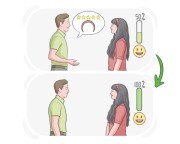
to slander
to slander
[sloveso]

to make false and adverse statements about someone for defamation

pomlouvat, hanět
pomlouvat, hanět

to compliment
to compliment
[sloveso]

to tell a person that one admires something about them such as achievements, appearance, etc.

pochválit, udělat kompliment

pochválit, udělat kompliment

Ex: He complimented his colleague on his new suit , appreciating its style and professional appearance .

Pochválil svého kolegu za nový oblek, ocenil jeho styl a profesionální vzhled.

to uphold
to uphold
[sloveso]

to support or defend something that is believed to be right so it continues to last

podporovat, bránit

podporovat, bránit

Ex: She is upholding the principles of fairness and justice in her decisions .

Ona podporuje principy spravedlnosti a spravedlnosti ve svých rozhodnutích.

to rejoice
to rejoice
[sloveso]

to feel or show great joy, delight, or happiness

radovat se, jásat

radovat se, jásat

Ex: It is essential that individuals rejoice in the achievements of their peers .

Je nezbytné, aby jednotlivci radovali z úspěchů svých vrstevníků.

to reprove
to reprove
[sloveso]

to criticize someone for their actions or behavior, often implying a need for correction

pokárat, kritizovat

pokárat, kritizovat

Ex: During the rehearsal , the director reproved the actor for forgetting their lines .

Během zkoušky režisér pokáral herce za zapomenutí jeho textu.

to affirm
to affirm
[sloveso]

to confirm a legal decision or judgment

potvrdit, schválit

potvrdit, schválit

Ex: Lawyers waited to see if the court would affirm the verdict .

Právníci čekali, zda soud potvrdí rozsudek.

to belittle
to belittle
[sloveso]

to speak or express derogatory remarks about someone

znehodnocovat, podceňovat

znehodnocovat, podceňovat

Ex: If the proposal is rejected , disgruntled colleagues might belittle the presenter .

Pokud bude návrh zamítnut, nespokojení kolegové by mohli zlehčovat prezentujícího.

to ridicule
to ridicule
[sloveso]

to make fun of someone or something

zesměšňovat, posmívat se

zesměšňovat, posmívat se

Ex: It is crucial that educators do not ridicule students for asking questions .

Je zásadní, aby pedagogové nezesměšňovali studenty za kladení otázek.
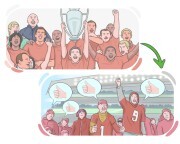
to validate
to validate
[sloveso]

to confirm or prove the accuracy, authencity, or effectiveness of something

ověřit, potvrdit

ověřit, potvrdit

Ex: The proposed survey is designed to validate public opinion on the new policy .

Navrhovaný průzkum je navržen tak, aby ověřil veřejné mínění o nové politice.

LanGeek
Stáhnout aplikaci LanGeek