pattern

Cambridge IELTS 19 - Akademický - Test 1 - Poslech - Část 4 (1)

Naučte se slovní zásobu z první části Cambridge IELTS 19 Academic, Test 1 Listening Part 4, s užitečnými slovy a výrazy z této sekce.

Revize

Kartičky

tvary

Pravopis

Kvíz

Začněte se učit
Cambridge IELTS 19 - Academic
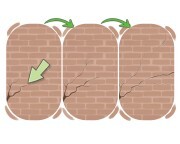
to predate
to predate
[sloveso]

to exist or occur at an earlier time than something else

předcházet, existovat dříve

předcházet, existovat dříve

Ex: Early forms of currency predate modern monetary systems. 

Rané formy měny předcházejí moderním měnovým systémům.
stability
stability
[Podstatné jméno]

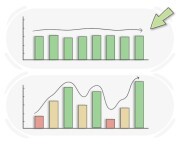
the quality of being fixed or steady and unlikely to change

stabilita

stabilita

Ex: Political stability is essential for attracting investment, fostering economic growth, and ensuring the well-being of citizens. 

Politická stabilita je nezbytná pro přilákání investic, podporu hospodářského růstu a zajištění blahobytu občanů.

subsequently
subsequently
[Příslovce]

after a particular event or time

následně, poté

následně, poté

Ex: We visited the museum in the morning and subsequently had lunch by the river. 

Ráno jsme navštívili muzeum a následně jsme obědvali u řeky.
community
community
[Podstatné jméno]

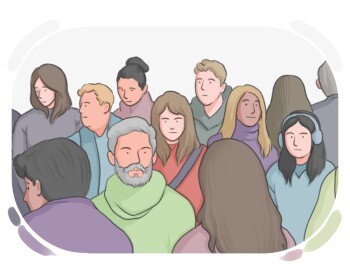
a group of people who live in the same area

komunita, společenství

komunita, společenství

Ex: The local community came together to organize a charity fundraiser. 

Místní komunita se sešla, aby uspořádala charitativní sbírku.

to investigate

to examine something scientifically, typically to discover facts or evidence

zkoumat, vyšetřovat

zkoumat, vyšetřovat

Ex: Engineers investigate the structural integrity of the bridge before opening it to traffic. 

Inženýři zkoumají strukturální integritu mostu před jeho otevřením pro provoz.

to explore
to explore
[sloveso]

to investigate something to gain knowledge or understanding about it

zkoumat, prozkoumat

zkoumat, prozkoumat

Ex: Can you please explore alternative solutions to the problem? 

Můžete prosím prozkoumat alternativní řešení problému?

settlement
settlement
[Podstatné jméno]

a community established by people living far from their homeland who retain nationality and cultural ties, without being governed by the home state

kolonie, osada

kolonie, osada

Ex: They sent letters back to family in the homeland from the settlement. 

Poslali dopisy zpět rodině do vlasti z osady.

permanent
permanent
[Přídavné jméno]

continuing to exist all the time, without significant changes

trvalý, stálý

trvalý, stálý

Ex: His permanent residence in the city allowed him to become deeply involved in local community activities. 

Jeho trvalé bydliště ve městě mu umožnilo hluboce se zapojit do činnosti místní komunity.

to assume
to assume
[sloveso]

to think that something is true without having proof or evidence

předpokládat, domnívat se

předpokládat, domnívat se

Ex: Right now, some team members are assuming that the project deadline will be extended. 

Právě teď někteří členové týmu předpokládají, že termín projektu bude prodloužen.

further
further
[Příslovce]

at or to a more advanced point or stage

dále, více

dále, více

Ex: The technology has advanced further since the initial release of the product. 

Technologie pokročila dále od počátečního vydání produktu.
to insert
to insert
[sloveso]

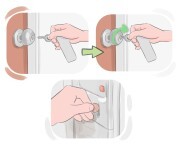
to place or add something into a specific space or object

vložit, zasunout

vložit, zasunout

Ex: The mechanic will insert a new fuse into the circuit to restore power to the appliance. 

Mechanik vloží novou pojistku do obvodu, aby obnovil napájení spotřebiče.

to map
to map
[sloveso]

to systematically examine and record geographical features, data, or information

mapovat, vytvořit mapu

mapovat, vytvořit mapu

Ex: Geologists mapped the fault lines in the earthquake-prone region. 

Geologové zmapovali zlomové linie v oblasti náchylné k zemětřesením.

formation
formation
[Podstatné jméno]

the way something is arranged or organized in a particular pattern or structure

formace, uspořádání

formace, uspořádání

Ex: The rocks were found in a unique formation along the beach. 

Kameny byly nalezeny v jedinečné formaci podél pláže.

carbon dating
carbon dating
[Podstatné jméno]

a method used for measuring how old an organic material is by calculating the amount of carbon they contain

uhlíkové datování, radiokarbonová metoda datování

uhlíkové datování, radiokarbonová metoda datování

Ex: The team applied carbon dating to the wooden structure to verify its period of construction. 

Tým použil uhlíkové datování na dřevěnou konstrukci, aby ověřil období její výstavby.

to prove
to prove
[sloveso]

to show that something is true through the use of evidence or facts

dokázat,  prokázat

dokázat, prokázat

Ex: He often proves his point through well-researched arguments. 

Často dokazuje svůj názor pomocí dobře prozkoumaných argumentů.

remains
remains
[Podstatné jméno]

the parts of the objects and structures from ancient times that have survived destruction and been discovered

pozůstatky,  zbytky

pozůstatky, zbytky

settlement
settlement
[Podstatné jméno]

an area where a group of families or people live together, often in a newly established community

osada, kolonie

osada, kolonie

Ex: There was little infrastructure in the settlement when it was first built. 

Když byla osada poprvé postavena, byla tam malá infrastruktura.

percent
percent
[Podstatné jméno]

a fraction of 100, commonly used to show proportions, rates, or comparisons

procento

procento

Ex: The store offered a discount of 20 percent on all items. 

Obchod nabídl slevu 20 procent na všechny položky.

saturated
saturated
[Přídavné jméno]

having absorbed as much of a substance as possible at a given temperature, reaching its maximum concentration

nasycený, prosáklý

nasycený, prosáklý

Ex: The paper towel became saturated with spilled coffee, unable to absorb any more liquid. 

Papírový ubrousek se nasytil rozlitou kávou a nemohl absorbovat více tekutiny.

heather
heather
[Podstatné jméno]

a type of small, woody plant with tiny purple or pink flowers, often found in hilly or rocky areas

vřes, vřesovec

vřes, vřesovec

Ex: The landscape was dotted with heather and wild grasses. 

Krajina byla poseta vřesem a divokými travami.

to decay
to decay
[sloveso]

to be gradually damaged or destroyed as a result of natural processes

hniloba, rozkládat se

hniloba, rozkládat se

Ex: The untreated metal was decaying slowly in the corrosive environment. 

Neupravený kov se v korozivním prostředí pomalu rozkládal.

to accumulate
to accumulate
[sloveso]

to grow in amount, size, or number over time

hromadit, shromažďovat

hromadit, shromažďovat

Ex: Dust began to accumulate on the shelves over the months. 

Prach se začal hromadit na policích během měsíců.

acidity
acidity
[Podstatné jméno]

the level of acid in a substance, often measured by a pH below 7

kyselost, úroveň kyselosti

kyselost, úroveň kyselosti

Ex: The acidity of the lake water is harmful to fish and plants. 

Kyselost jezerní vody je škodlivá pro ryby a rostliny.

presentation
presentation
[Podstatné jméno]

a visual or oral communication delivered to an audience, often using slides or other aids, to inform or persuade

prezentace, přednáška

prezentace, přednáška

Ex: Her presentation used charts to explain the data. 

Prezentace použila grafy k vysvětlení dat.

peat
peat
[Podstatné jméno]

a brownish substance, often found under the ground or in regions with wet climate, formed by plants dying and becoming buried, that once added to the soil, can enhance its quality and help plants grow faster

rašelina, rašelinová substance

rašelina, rašelinová substance

Ex: The landscaper recommended adding peat to the soil before planting the shrubs. 

Krajinář doporučil přidat do půdy rašelinu před výsadbou keřů.

deficiency
deficiency
[Podstatné jméno]

the condition of not having enough of something essential, expected, or required, whether in amount, quality, or strength

nedostatek, deficit

nedostatek, deficit

Ex: The soil's nutrient deficiency limited crop growth. 

Nedostatek živin v půdě omezil růst plodin.

neolithic
neolithic
[Přídavné jméno]

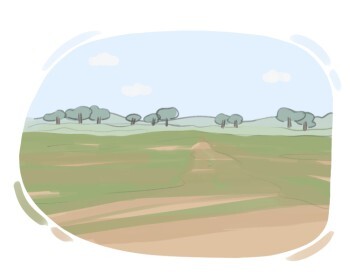
related to the latest part of the Stone Age when humans used stones as tools and weapons

neolitický, vztahující se k mladší době kamenné
neolitický, vztahující se k mladší době kamenné

site
site
[Podstatné jméno]

an area of land on which something is, was, or will be constructed

místo, staveniště

místo, staveniště

Ex: The construction workers cleared the site for the new office building. 

Stavební dělníci vyčistili staveniště pro novou kancelářskou budovu.

currently
currently
[Příslovce]

at the present time

v současnosti, nyní

v současnosti, nyní

Ex: The restaurant is currently closed for renovations. 

Restaurace je momentálně uzavřena z důvodu rekonstrukce.
to require
to require
[sloveso]

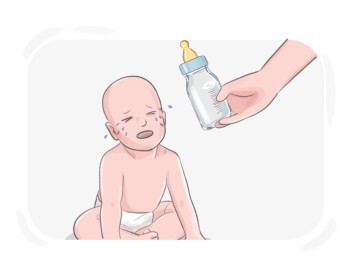
to need or demand something as necessary for a particular purpose or situation

vyžadovat, požadovat
vyžadovat, požadovat

Ex: Completing the advanced course will require a solid understanding of the basics. 

Dokončení pokročilého kurzu vyžaduje pevné pochopení základů.

archeologist
archeologist
[Podstatné jméno]

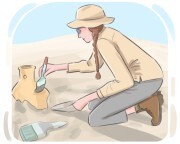
a person whose job is to study ancient societies using facts, objects, buildings, etc. remaining in excavation sites

archeolog

archeolog

average
average
[Podstatné jméno]

a value that represents the central or typical point in a set of data, often calculated as the mean, median, or mode

průměr, medián

průměr, medián

Ex: The average of the group’s scores was 80%. 

Průměr skóre skupiny byl 80%.

bog
bog
[Podstatné jméno]

a wet, spongy area of land that is often covered in moss and has poor drainage, making it soft and soggy

bažina, močál

bažina, močál

Ex: The hikers carefully crossed the bog to avoid sinking. 

Turisté opatrně přešli bažinu, aby se vyhnuli propadnutí.

constantly
constantly
[Příslovce]

in a steady or unchanging way over time

neustále, kontinuálně

neustále, kontinuálně

Ex: The temperature remained constantly high throughout the summer. 

Teplota zůstala neustále vysoká po celé léto.
to bury
to bury
[sloveso]

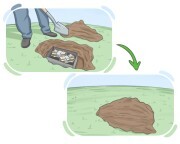
to cover or hide something from sight, often by placing it in the ground or covering it with another material

pohřbít, skrýt

pohřbít, skrýt

Ex: They buried the time capsule for future generations to discover. 

Pohřbili časovou kapsli pro budoucí generace, aby ji objevily.

predecessor
predecessor
[Podstatné jméno]

someone who held a position, office, or role before another person

předchůdce, předchůdkyně

předchůdce, předchůdkyně

Ex: The predecessor left behind detailed notes for the incoming manager. 

Předchůdce zanechal podrobné poznámky pro nastupujícího manažera.

probe
probe
[Podstatné jméno]

a small tool or device that is placed inside something to test it or gather information

sonda, průzkumné zařízení

sonda, průzkumné zařízení

Ex: A tiny probe was used to collect samples from inside the volcano. 

Malá sonda byla použita k odběru vzorků z nitra sopky.

well preserved
well preserved
[Přídavné jméno]

kept in good condition or protected from damage, even after a long time

dobře zachovalý, v dobrém stavu zachování

dobře zachovalý, v dobrém stavu zachování

Ex: Her well preserved letters gave insight into life during the war. 

Její dobře zachované dopisy poskytly pohled na život během války.

community building
community building
[Podstatné jméno]

a place used by local people for events, meetings, or activities that serve the public

komunitní centrum, dům společnosti

komunitní centrum, dům společnosti

Ex: The town held the public meeting in the community building. 

Město uspořádalo veřejné setkání v komunitní budově.

LanGeek
Stáhnout aplikaci LanGeek