
Cambridge IELTS 19 - Academic - Test 3 - Čtení - Úryvek 2 (2)
Naučte se slovní zásobu z druhé části Cambridge IELTS 19 Academic, Test 3 Reading Passage 2, s užitečnými slovy a výrazy z textu.
Revize
Kartičky
tvary
Pravopis
Kvíz

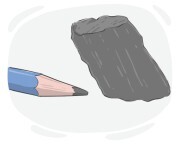
a chemical element present in all living things and in substances such as coal, graphite, and diamond

uhlík, uhlík
in regard to what someone has said or written
podle, dle
Podle předpovědi počasí bude zítra pršet.

the release of carbon dioxide into the atmosphere, primarily from burning fossil fuels, industrial processes, and etc.
uhlíková emise, uvolňování oxidu uhličitého
Snížení uhlíkových emisí je zásadní pro zpomalení klimatických změn.
the act of clearing away obstacles or unwanted materials to make an area open or usable
vyklizení, čištění
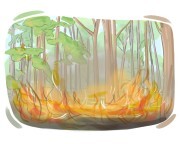
an uncontrolled and destructive fire that occurs in a forest or other wooded area
lesní požár, požár lesa
Lesní požár byl viditelný z míle daleko.
to let a chemical substance out into the environment or a specific area
uvolnit, vypouštět
a heavy odorless colorless gas formed during respiration and by the decomposition of organic substances; absorbed from the air by plants in photosynthesis
oxid uhličitý, CO2
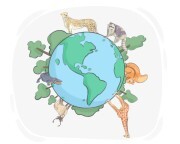
the existence of a range of different plants and animals in a natural environment
biodiverzita, biologická rozmanitost
Mořská biodiverzita v korálových útesech je ohrožena rostoucími teplotami oceánů a znečištěním.
pinnate-leaved palms of the genus Elaeis having dense clusters of crowded flowers and bright red fruit and yielding high quality palm oils
olejná palma, elaeis
the total income generated from business activities or other sources
příjmy, výnosy
a layer of matter that has been accumulated, particularly by a body of water
usazenina, ložisko
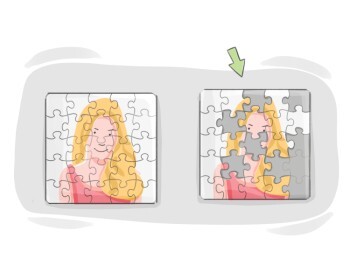
relating to, affecting, or consisting of only part of something rather than the whole
částečný, dílčí
the natural process where bacteria and fungi break down dead organic matter, returning nutrients to the ecosystem
rozklad, hnití
Vědci studují rychlosti rozkladu, aby pochopili, jak různé prostředí ovlivňuje koloběh živin.
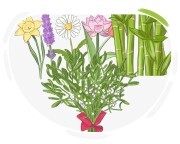
trees and plants in general, particularly those of a specific habitat or area
vegetace, flóra
referring to substances or solutions that have a pH value lower than 7, indicating a higher concentration of hydrogen ions and often a sour taste
kyselý
Kyselé roztoky mohou časem korodovat kovové povrchy.
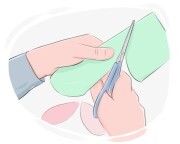
to use a sharp object like scissors or a knife on something to remove a section from it
vystřihnout, odříznout část
Můžeš vystřihnout kupony z časopisu, abychom je mohli použít v obchodě?
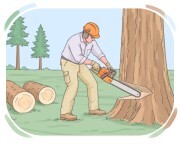
the act of cutting down trees to use their wood
kácení stromů, těžba dřeva
a long, narrow hole next to a road to keep it from getting too wet
příkop, strouha
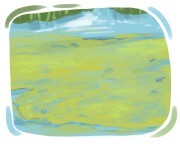
an area of land that is covered with water or is always very wet
bažina, močál
Místní folklór často vypráví příběhy o tajemných bytostech číhajících v hlubinách bažiny, což přidává na její přitažlivosti a tajemnosti.
to put something on water or another liquid so that it remains on the surface or moves with the current
nechat plout, nechat se vznášet
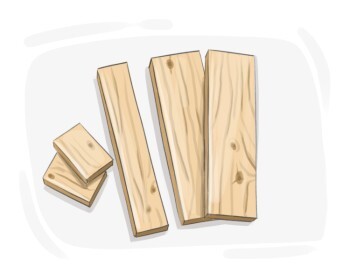
a section of the trunk or a large branch of a tree that has been cut or has fallen
poleno, špalek
to provide enough space or time for a particular purpose or activity
předpokládat, umožnit
Rozmístění místnosti by mělo umožňovat pohodlné sezení a pohyb během akce.

a tall cereal plant that produces large ears containing rows of yellow or white kernels
kukuřice, kukuřice

(microbiology) single-celled microorganisms that can be found in various environments, including soil, water, and living organisms, and can be beneficial, harmful, or neutral
bakterie
Správné mytí rukou pomáhá předcházet šíření bakterií a virů.
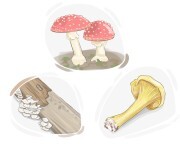
a diverse group of organisms that include mushrooms, yeasts, and molds, characterized by their ability to decompose organic matter
houby, fungi
Houby, jako jsou žampiony a lanýže, dodávají chuť mnoha pokrmům.
(in mathematics, chemistry, or grammar) to break into smaller parts or components, especially for a detailed analysis or examination
rozložit, podrobně analyzovat
Výzkumník rozkládá výsledky průzkumu pro analýzu.
to make something change and become something else
přeměnit na, převést na
Jeho povzbudivá slova proměnila její smutek v štěstí.
a colorless, odorless, flammable which is the main component of natural gasgas
metan, CH4
Jako silný skleníkový plyn je snížení emisí metanu klíčovým aspektem globálních snah o boj proti změně klimatu.
at the same time but often somewhere else
mezitím, současně
the part of something that is left after the rest has been used, removed, or dealt with
zbytek, zbytek
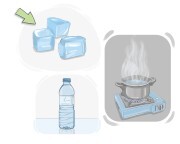
firm and stable in form, not like a gas or liquid
pevný, stabilní
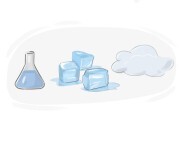
a physical substance that occupies space and exists in every material in the universe
hmota, látka

toward a lower place, position, or level, either physically or figuratively
dolů, sestupně
Jejich vztah se po hádce začal posouvat dolů.
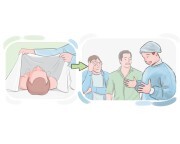
used to express regret or say that something is disappointing or sad
bohužel
Bohužel společnost musela zmenšit svou velikost, což vedlo k propuštění několika zaměstnanců.
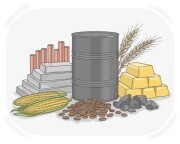
a product or raw material that can be bought and sold, especially in large quantities on financial markets
komodita
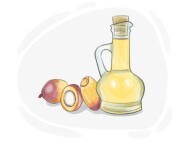
a type of vegetable oil derived from the fruit of oil palm trees
palmový olej, rostlinný olej z plodů palmy olejné
Rád smaží své hranolky na palmovém oleji, aby byly křupavé.
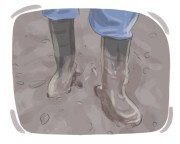
characterized by an excessive presence of water, resulting in marshy conditions
přemokřený, nasycený vodou
Pro zlepšení odvodnění přidal zahradník písek do přemokřené půdy, aby pomohl provzdušnit.
relating to chemical compounds that contain carbon
organický, organická
to a degree that is higher than usual
zvláště, obzvláště
Nový zaměstnanec byl obzvláště zdatný v řešení problémů.
to aim or direct something, such as an action or effort, towards a specific goal or objective
zaměřit, směřovat
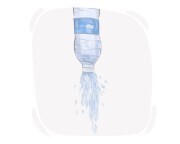
to remove liquid from something by allowing or causing it to flow away
slít, odvodnit
the act of preparing and using land to grow crops, especially on a large scale
pěstování, obdělávání
Zemědělci investují značné prostředky do pěstování plodin s vysokou přidanou hodnotou.
the process during which a building or piece of land sinks to a lower level or to the ground
pokles, sedání
Postupné poklesávání země bylo dokázáno poklesem starověkých památek a staveb.
to be made up of various components or parts within a whole
zahrnovat, obsahovat
the part of the Earth's surface between the Tropic of Cancer and the Tropic of Capricorn; characterized by a hot climate
tropy
to go down or settle, either by sinking or gently lowering, as in buildings, on the ground, or in water
klesat, usadit se
Jak bouře přešla, vlny na jezeře začaly ustupovat, čímž uklidnily kdysi rozbouřené vody.
before a specific period of time passes
do, za méně než
Rostlina vykvete do dvou měsíců.

an area of scenery visible in a single view
krajina, panoráma
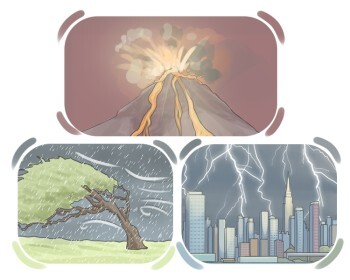
a horrible event that causes much suffering and damage
katastrofa
Ztráta biologické rozmanitosti v důsledku odlesňování je považována za environmentální katastrofu s dlouhodobými důsledky.
the process or act of making a person or thing ready for use, an event, act, situation, etc.
příprava
the territory occupied by one of the constituent administrative districts of a nation
provincie
a large, unbroken expanse of land, like a continent or a big island, standing out from smaller land features
pevninský masiv, rozsáhlá pevnina
Austrálie je jedinečná pevnina s flórou a faunou, která se nikde jinde na planetě nevyskytuje.
a land measurement unit that equals 10000 square meters or 2471 acres
hektar, Hektar je jednotka plochy rovna 10 000 metrů čtverečních nebo přibližně 2
Průměrná velikost farmy v mnoha zemích se měří v hektarech, což odráží zemědělskou produktivitu a vzorce využití půdy.
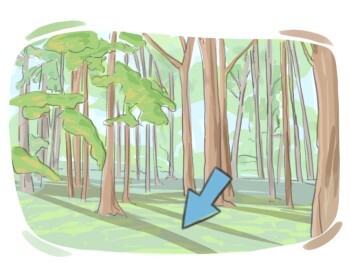
an area of relative darkness and coolness where direct sunlight is blocked
stín, stinné místo
to a considerable extent or degree
podstatně, významně
Populace výrazně vzrostla od posledního sčítání lidu.
the specific and localized atmospheric conditions within a small and distinct area, often differing from the surrounding region
mikroklima, lokální podnebí
to put a plan or idea into action using tangible and specific steps to ensure its successful realization
implementovat, aplikovat

to record information in a detailed manner
dokumentovat, zaznamenat

difficult to notice or detect because of its slight or delicate nature
jemný, jemný
Změny v menu byly jemné, ale účinné, což zlepšilo celkový stravovací zážitek.
causing a chemical or biological effect on something
aktivní, účinný
wet land that contains a thick layer of dead plants, mostly moss, which builds up over time and stores a lot of carbon
rašeliniště, rašelinná bažina
Některé země mají zákony na zastavení poškozování rašelinišť.
referring to actions, methods, or tools that help reduce harm to the climate, adjust to its changes, and protect the environment
klimaticky chytrý, klimaticky ohleduplný
Klimaticky chytré nástroje pomáhají chránit lesy před poškozením.

remaining after all costs, expenses, taxes, or other deductions have been subtracted
čistý, netto
something, such as a device or machine, that releases or sends out something, such as light, sound, or gas
vysílač, zařízení pro emisi
Stroj je navržen tak, aby byl vysílačem s nízkými emisemi pro snížení znečištění.
