pattern

Cambridge IELTS 19 - Academic - Test 3 - Reading - Passage 2 (2)

Here you can find the vocabulary from Test 3 - Reading - Passage 2 (2) in the Cambridge IELTS 19 - Academic coursebook, to help you prepare for your IELTS exam.

Review

Flashcards

Forms

Spelling

Quiz

Start learning
Cambridge IELTS 19 - Academic
carbon
carbon
[noun]

a nonmetal element that can be found in all organic compounds and living things
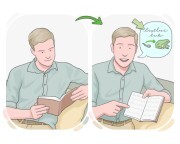
Ex: Graphite, used in pencils, is another allotrope of carbon. 
Close
Sign in
according to
according to
[preposition]

in regard to what someone has said or written

Ex: According to the weather forecast, it will rain tomorrow. 
Close
Sign in
carbon emission

the release of carbon dioxide into the atmosphere, primarily from burning fossil fuels, industrial processes, and etc.

Ex: Carbon emissions from factories contribute significantly to global warming. 
Close
Sign in
clearance
clearance
[noun]

the act of clearing away obstacles or unwanted materials to make an area open or usable
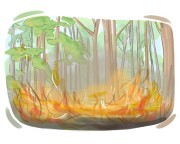
Ex: The team began land clearance for the new construction site. 
Close
Sign in
forest fire

an uncontrolled and destructive fire that occurs in a forest or other wooded area

Ex: The forest fire spread rapidly due to the dry conditions. 
Close
Sign in
to release

to let a chemical substance out into the environment or a specific area

Ex: The factory accidentally released harmful gases into the atmosphere. 
Close
Sign in
co2
co2
[noun]

a heavy odorless colorless gas formed during respiration and by the decomposition of organic substances; absorbed from the air by plants in photosynthesis
Close
Sign in
biodiversity

the existence of a range of different plants and animals in a natural environment

Ex: The rainforest is known for its rich biodiversity, housing countless species of flora and fauna. 
Close
Sign in
oil palm
oil palm
[noun]

pinnate-leaved palms of the genus Elaeis having dense clusters of crowded flowers and bright red fruit and yielding high quality palm oils

Close
Sign in
revenue
revenue
[noun]

the total income generated from business activities or other sources

Ex: The company's annual revenue exceeded expectations. 
Close
Sign in
deposit
deposit
[noun]

a layer of matter that has been accumulated, particularly by a body of water
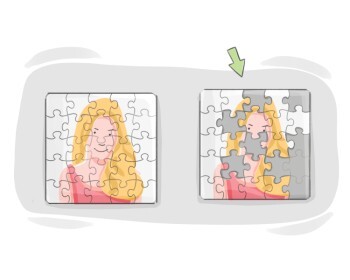
Ex: The geologist discovered a rich deposit of gold in the mountains. 
Close
Sign in
partial
partial
[Adjective]

involving only a part of something

Ex: The partial eclipse obscured only a portion of the sun, leaving the rest visible. 
Close
Sign in
decomposition

the natural process where bacteria and fungi break down dead organic matter, returning nutrients to the ecosystem

Ex: The fallen leaves underwent decomposition, enriching the soil with valuable nutrients. 
Close
Sign in
vegetation

trees and plants in general, particularly those of a specific habitat or area

Ex: The dense vegetation in the tropical rainforest creates a lush canopy that filters sunlight and supports a myriad of wildlife. 
Close
Sign in
acidic
acidic
[Adjective]

referring to substances or solutions that have a pH value lower than 7, indicating a higher concentration of hydrogen ions and often a sour taste

Ex: Lemon juice is acidic due to the presence of citric acid. 
Close
Sign in
to cut out

to use a sharp object like scissors or a knife on something to remove a section from it

Ex: Can you cut the coupons out of the magazine so we can use them at the store? 
Close
Sign in
logging
logging
[noun]

the act of cutting down trees to use their wood

Ex: Logging in the area has led to widespread deforestation and loss of biodiversity. 
Close
Sign in
ditch
ditch
[noun]

a long, narrow hole next to a road to keep it from getting too wet
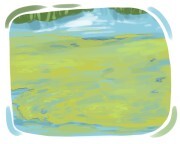
Ex: He cleared debris from the ditch after heavy rainfall. 
Close
Sign in
swamp
swamp
[noun]

an area of land that is covered with water or is always very wet

Ex: The swamp was teeming with diverse wildlife, from alligators to herons and turtles. 
Close
Sign in
to float
to float
[Verb]

to release or place something on a liquid surface, allowing it to move freely
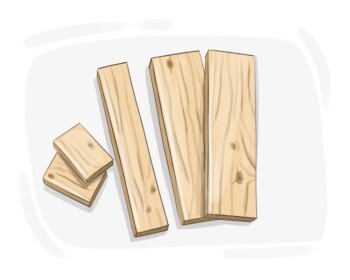
Ex: They would float lanterns on the river during the festival 
Close
Sign in
log
log
[noun]

a section of a tree trunk that has been cut or fallen, usually stripped of branches

Ex: He carried a heavy log to the fireplace. 
Close
Sign in
to allow for

to provide enough space or time for a particular purpose or activity

Ex: The room layout should allow for comfortable seating and movement during the event. 
Close
Sign in
corn
corn
[noun]

a tall plant with large yellow seeds that grow together on a cob, which is cooked and eaten as a vegetable or animal food

Ex: He added sweet corn to his salad for extra crunch. 
Close
Sign in
bacteria
bacteria
[noun]

(microbiology) single-celled microorganisms that can be found in various environments, including soil, water, and living organisms, and can be beneficial, harmful, or neutral
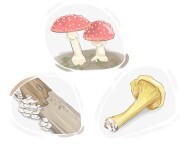
Ex: Bacteria play a crucial role in the decomposition of organic matter in the ecosystem. 
Close
Sign in
fungi
fungi
[noun]

a diverse group of organisms that include mushrooms, yeasts, and molds, characterized by their ability to decompose organic matter

Ex: Fungi, such as mushrooms and truffles, add flavor to many dishes. 
Close
Sign in
to break down

(in mathematics, chemistry, or grammar) to break into smaller parts or components, especially for a detailed analysis or examination

Ex: Can you break the complex process down for better understanding? 
Close
Sign in
to turn into

to make something change and become something else

Ex: His encouraging words turned her sadness into happiness. 
Close
Sign in
methane
methane
[noun]

a colorless, odorless, flammable which is the main component of natural gasgas
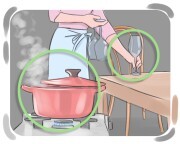
Ex: Livestock, particularly cows, produce methane during digestion, contributing to greenhouse gas emissions. 
Close
Sign in
meanwhile
meanwhile
[Adverb]

at the same time but often somewhere else

Ex: She started cooking dinner; meanwhile, her husband set the table. 
Close
Sign in
remainder
remainder
[noun]

the part of something that remains after the main part has been used or taken away
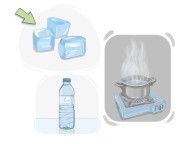
Ex: After the meeting, only a small remainder of sandwiches was left on the platter. 
Close
Sign in
solid
solid
[Adjective]

firm and stable in form, not like a gas or liquid
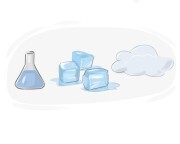
Ex: The ice had formed into a solid block after being left in the freezer overnight. 
Close
Sign in
matter
matter
[noun]

a physical substance that occupies space and exists in every material in the universe
Ex: All objects, whether solid, liquid, or gas, are made of matter. 
Close
Sign in
downwards
downwards
[Adverb]

toward a lower place, position, or level, either physically or figuratively
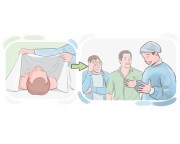
Ex: The ball bounced downwards after hitting the wall. 
Close
Sign in
unfortunately

used to express regret or say that something is disappointing or sad

Ex: Unfortunately, the flight was delayed due to severe weather conditions, causing inconvenience for the passengers. 
Close
Sign in
in demand
in demand
[Adjective]

greatly desired

Close
Sign in
commodity
commodity
[noun]

(economics) an unprocessed material that can be traded in different exchanges or marketplaces
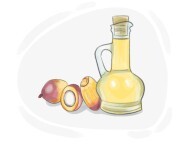
Ex: Oil has long been a highly valued commodity on the global market, influencing economies and politics. 
Close
Sign in
palm oil
palm oil
[noun]

a type of vegetable oil derived from the fruit of oil palm trees
Ex: He likes to cook his french fries in palm oil for a crispy texture. 
Close
Sign in
pulpwood
pulpwood
[noun]

softwood used to make paper

Close
Sign in
waterlogged
waterlogged
[Adjective]

characterized by an excessive presence of water, resulting in marshy conditions

Ex: In the spring, the fields often become waterlogged, creating a marshy habitat for various bird species. 
Close
Sign in
organic
organic
[Adjective]

relating to a carbon-based compound that has a biological origin
Ex: Organic chemistry focuses on the study of carbon-containing compounds and their reactions. 
Close
Sign in
particularly
particularly
[Adverb]

to a degree that is higher than usual

Ex: The restaurant is particularly busy on Friday nights. 
Close
Sign in
to target
to target
[Verb]

to aim or direct something, such as an action or effort, towards a specific goal or objective
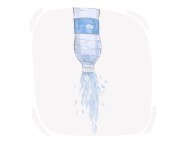
Ex: The team targeted their efforts on improving customer service. 
Close
Sign in
to drain
to drain
[Verb]

to empty or remove liquid from a container or area

Ex: After boiling the pasta, he had to drain the water before serving. 
Close
Sign in
cultivation

the act of preparing and using land to grow crops, especially on a large scale

Ex: The cultivation of corn is widespread in the Midwest. 
Close
Sign in
subsidence

the process during which a building or piece of land sinks to a lower level or to the ground
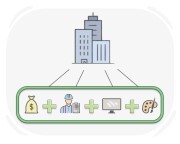
Ex: The coastal town experienced significant subsidence, causing several buildings to tilt and crack. 
Close
Sign in
to comprise

to be made up of various components or parts within a whole

Ex: The committee comprises members from various departments. 
Close
Sign in
tropics
tropics
[noun]

the part of the Earth's surface between the Tropic of Cancer and the Tropic of Capricorn; characterized by a hot climate

Close
Sign in
to subside

to go down or settle, either by sinking or gently lowering, as in buildings, on the ground, or in water
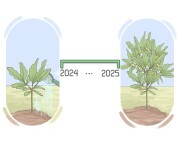
Ex: Following the earthquake, the buildings showed signs of subsiding, settling into their original positions. 
Close
Sign in
within
within
[preposition]

before a specific period of time passes
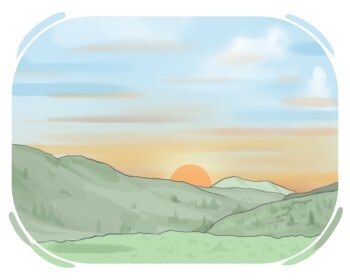
Ex: They sold out within minutes of opening. 
Close
Sign in
landscape
landscape
[noun]

an area of scenery visible in a single view
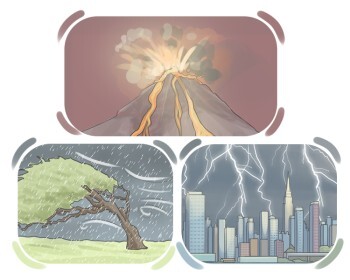
Ex: The hikers admired the mountain landscape at sunrise. 
Close
Sign in
flooded
flooded
[Adjective]

covered with water

Close
Sign in
catastrophe

a horrible event that causes much suffering and damage

Ex: The earthquake in the region caused widespread devastation and was considered a natural catastrophe. 
Close
Sign in
preparation

the process or act of making a person or thing ready for use, an event, act, situation, etc.
Ex: The event organizers focused on every detail in their preparation. 
Close
Sign in
province
province
[noun]

the territory occupied by one of the constituent administrative districts of a nation

Close
Sign in
landmass
landmass
[noun]

a large, unbroken expanse of land, like a continent or a big island, standing out from smaller land features

Ex: Asia is the largest landmass on Earth, encompassing diverse climates and cultures. 
Close
Sign in
hectare
hectare
[noun]

a land measurement unit that equals 10000 square meters or 2471 acres
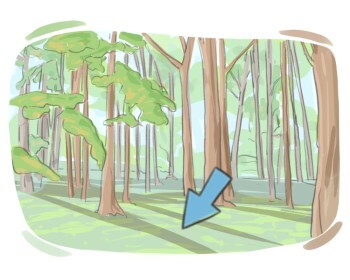
Ex: A hectare is a unit of area equal to 10,000 square meters or approximately 2.47 acres. 
Close
Sign in
shade
shade
[noun]

an area that becomes darker and cooler because sunlight is blocked by an object
Ex: They sat under the shade of a large oak tree to escape the heat. 
Close
Sign in
substantially

to a considerable extent or degree

Ex: Fuel prices have substantially increased over the past year. 
Close
Sign in
microclimate

the specific and localized atmospheric conditions within a small and distinct area, often differing from the surrounding region

Close
Sign in
to implement

to put a plan or idea into action using tangible and specific steps to ensure its successful realization

Ex: The company decided to implement a new training program to enhance the skills of its employees. 
Close
Sign in
to document

to record information in a detailed manner

Ex: The historian meticulously documented the events of the war for future generations. 
Close
Sign in
subtle
subtle
[Adjective]

difficult to notice or detect because of its slight or delicate nature

Ex: The artist used subtle brushstrokes to create a sense of depth and movement in the painting. 
Close
Sign in
active
active
[Adjective]

causing a chemical or biological effect on something

Ex: The active compounds in the medicine help reduce pain. 
Close
Sign in
peatland
peatland
[noun]

wet land that contains a thick layer of dead plants, mostly moss, which builds up over time and stores a lot of carbon

Ex: Peatlands helps slow down climate change by storing carbon. 
Close
Sign in
climate-smart
climate-smart
[Adjective]

referring to actions, methods, or tools that help reduce harm to the climate, adjust to its changes, and protect the environment

Ex: Farmers use climate-smart ways to grow food with less water. 
Close
Sign in
net
net
[Adjective]

final amount after the deduction of all costs

Ex: The net profit for the quarter exceeded expectations, signaling strong financial performance. 
Close
Sign in
emitter
emitter
[noun]

something, such as a device or machine, that releases or sends out something, such as light, sound, or gas

Ex: The smoke emitter released steam into the air. 
Close
Sign in
LanGeek
Download LanGeek app