pattern

Inglés de Cambridge: KET (A2 Key) - Educación y Vida Académica

Aprende vocabulario KET para la educación y la vida escolar, incluyendo clases, asignaturas, profesores, estudiantes, deberes, exámenes y actividades académicas comunes.

Revisión

Tarjetas de memoria

formas

Ortografía

Cuestionario
Empezar a aprender
Cambridge English: KET (A2 Key)
art
art
[Sustantivo]

a field of study focuses on learning and practicing different creative skills, such as drawing, painting, sculpture, and understanding the history and theory behind them

arte, bellas artes

arte, bellas artes

Ex: Art as a field of study helps develop both creative and critical thinking skills. 
biology
biology
[Sustantivo]

the scientific study of living organisms; the science that studies living organisms

biología

biología

Ex: His biology professor was renowned for research in genetic engineering. 

Su profesor de biología era reconocido por su investigación en ingeniería genética.
chemistry
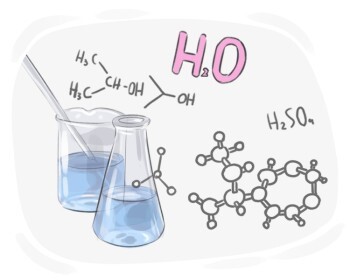
chemistry
[Sustantivo]

the science that studies the composition, properties, and reactions of substances

química

química

Ex: Daniel finds chemistry more interesting than physics. 
English
English
[Sustantivo]

the subject of study encompassing the language, literature, and writing associated with English-speaking cultures

inglés, estudios ingleses

inglés, estudios ingleses

Ex: English majors develop critical thinking and analytical skills through close reading and textual analysis. 
geography
geography
[Sustantivo]

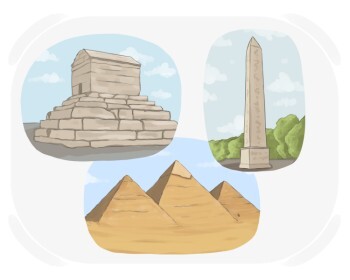
the study of Earth's physical features, environments, populations, and the ways people and places relate to one another

geografía
geografía

Ex: Michael has always been interested in the geography of Asia. 
history
history
[Sustantivo]

the study of past events, especially as a subject in school or university

historia
historia

Ex: She wants to pursue a degree in history and become a historian. 
mathematics
mathematics
[Sustantivo]

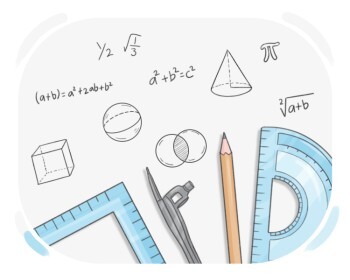
the study of numbers and shapes that involves calculation and description

matemáticas

matemáticas

Ex: She scored well on her math test and received praise from her teacher. 

Ella obtuvo una buena puntuación en su examen de matemáticas y recibió elogios de su profesor.
music
music
[Sustantivo]

the art or science of creating or performing sounds, including melody, harmony, and rhythm

música
música

Ex: She spends hours practicing music every day to improve her skills. 
physics
physics
[Sustantivo]

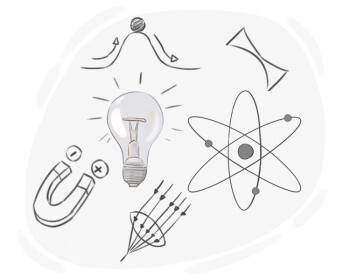
the science that studies matter, energy, motion, forces, and their interactions

física
física

Ex: Daniel finds physics more interesting than chemistry. 
to fail
to fail
[Verbo]

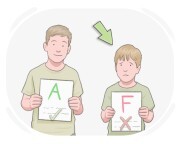
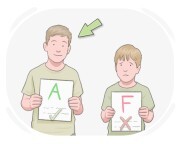
to be unsuccessful in an examination or course

fracasar, reprobar
fracasar, reprobar

Ex: If you don't attend class regularly, you might fail the course. 
to learn
to learn
[Verbo]

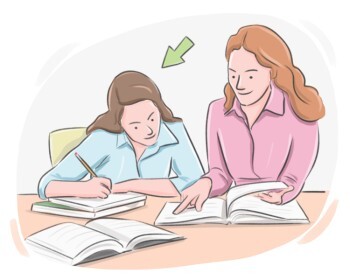
to become knowledgeable or skilled in something by doing it, studying, or being taught

aprender
aprender

Ex: They are learning about history in their school lessons. 
to pass
to pass
[Verbo]

to get the necessary grades in an exam, test, course, etc.

aprobar, pasar

aprobar, pasar

Ex: I'm not really expecting to pass first time. 
to study
to study
[Verbo]

to engage in formal learning or education at a school, college, or university

estudiar

estudiar

Ex: Many students study at local colleges to pursue their careers in business. 
to take
to take
[Verbo]

to study a particular subject in school, university, etc.

tomar
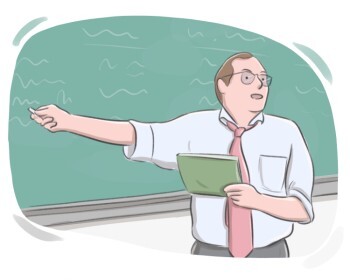
tomar

Ex: He chose to take an elective in art history to explore his interest in cultural influences on art. 
to teach
to teach
[Verbo]

to give lessons to students in a university, college, school, etc.

enseñar

enseñar

Ex: I decided to leave my stressful job and teach painting at the community center. 
advanced
advanced
[Adjetivo]

(of a person) having a high level of knowledge, skill, or expertise in a subject

avanzado, experimentado

avanzado, experimentado

Ex: She's considered an advanced swimmer, able to compete at national levels. 

Se la considera una nadadora avanzada, capaz de competir a nivel nacional.

beginner
beginner
[Sustantivo]

someone who has just started to learn or do something; a person who is new to a field or activity

principiante
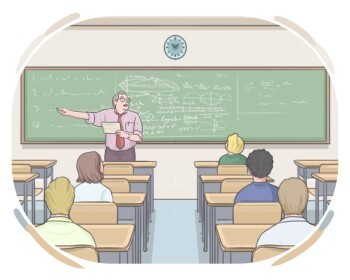
principiante

class
class
[Sustantivo]

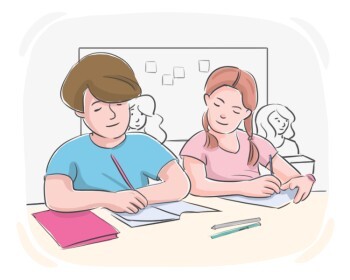
students as a whole that are taught together

clase
clase

Ex: Every Friday, the class gathers for a weekly quiz to test their understanding of the material covered during the week. 
classmate
classmate
[Sustantivo]

someone who is or was in the same class as you at school or college

compañero de clase

compañero de clase

Ex: She became close friends with her classmate after working on a group project together. 

Se hizo muy amiga de su compañero de clase después de trabajar juntos en un proyecto grupal.

classroom
classroom
[Sustantivo]

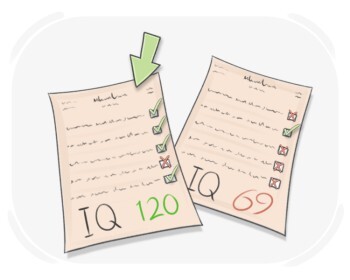
a room in a school, college, or other educational setting where students are taught

aula
aula

Ex: Emma left her book in the classroom. 
clever
clever
[Adjetivo]

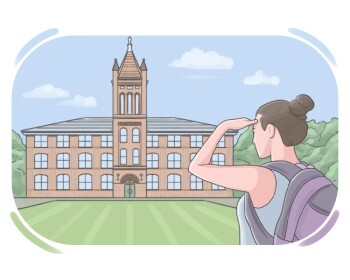
able to learn, understand, think, or solve problems quickly

inteligente
inteligente

Ex: She is a clever student who understands difficult ideas easily. 
college
college
[Sustantivo]

an institution that offers higher education or specialized trainings for different professions

universidad

universidad

Ex: They are preparing for their final exams at college. 
course
course
[Sustantivo]

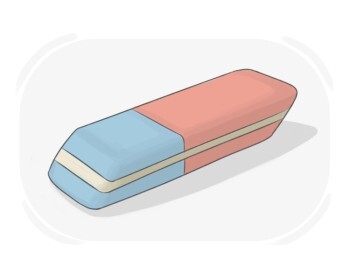
a series of lessons or lectures on a particular subject

curso
curso

Ex: The company provided a training course for all new employees. 
eraser
eraser
[Sustantivo]

a small tool used for removing the marks of a pencil from a piece of paper

goma

goma

Ex: I use an eraser to correct my mistakes when writing. 
exam
exam
[Sustantivo]

a formal test of a person's knowledge or ability in a particular subject

examen
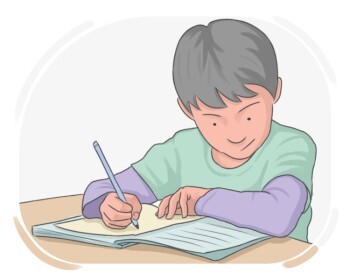
examen

Ex: I passed the driving exam on my second attempt. 
homework
homework
[Sustantivo]

schoolwork that students have to do at home

tarea

tarea

Ex: My daughter spends a few hours every evening doing her homework. 
instructions
instructions
[Sustantivo]

a manual usually accompanying a technical device and explaining how to install or operate it

instrucciones, manual
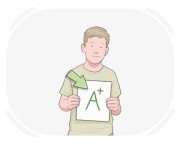
instrucciones, manual

mark
mark
[Sustantivo]

a letter or number given by a teacher to show how good a student's performance is; a point given for a correct answer in an exam or competition

nota, punto
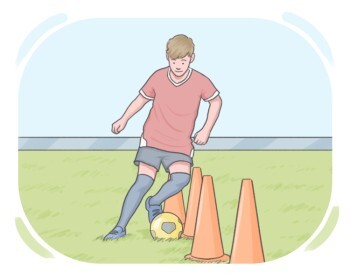
nota, punto

Ex: His final mark in the class was an A. 
practice
practice
[Sustantivo]

the act of repeatedly doing something to become better at doing it

práctica

práctica

Ex: Language practice through conversation partners can enhance your fluency. 
to practise

to do something again and again in order to get better at it

practicar, ejercitar

practicar, ejercitar

Ex: She practises speaking English with her friend. 

Ella practica hablar inglés con su amigo.

pupil
pupil
[Sustantivo]

someone who is receiving education, particularly a schoolchild

alumno

alumno

Ex: The pupil's performance in mathematics improved significantly after receiving extra tutoring. 
science
science
[Sustantivo]

the study of science

ciencia

ciencia

Ex: The school encourages students to pursue the study of science. 
subject
subject
[Sustantivo]

a branch or an area of knowledge that we study at a school, college, or university

asignatura

asignatura

Ex: In high school, I found chemistry to be a challenging subject, but I persevered and improved my grades. 
term
term
[Sustantivo]

one of the three periods in the academic year during which multiple classes are held in schools, universities, etc.

trimestre, semestre

trimestre, semestre

Ex: He enrolled in three courses for the spring term. 
test
test
[Sustantivo]

an examination that consists of a set of questions, exercises, or activities to measure someone's knowledge, skill, or ability

test, prueba

test, prueba

Ex: The driving test includes both a written exam and a practical evaluation. 
university
university
[Sustantivo]

an educational institution at the highest level, where we can study for a degree or do research

universidad
universidad

Ex: She received a scholarship to help fund her university education. 
to find out

to discover or become aware of a piece of information or a fact

descubrir, enterarse

descubrir, enterarse

Ex: She was shocked to find out that her favorite restaurant had closed down. 

Ella se sorprendió al descubrir que su restaurante favorito había cerrado.
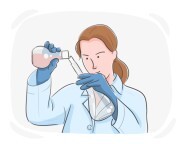
to experiment

to do a scientific test on something or someone in order to find out the results

experimentar

experimentar

Ex: The researchers experiment using advanced technology to study climate change. 
LanGeek
Descargar la aplicación LanGeek