
Religión y Festividades - Religiones
Revisión
Tarjetas de memoria
Ortografía
Cuestionario

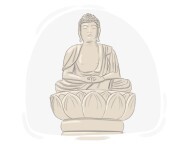
an Indian religion based on the teachings of Siddhartha Gautama, whose followers worship in temples

budismo
Los principios del budismo enfatizan la compasión y la atención plena en la vida cotidiana.

related to the religion, culture, or people of Buddhism
budista, relacionado con el budismo
Las enseñanzas de Buda son centrales en la filosofía budista.
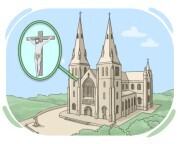
related to or belonging to the Western branch of the Christian Church that is led by the Pope
católico
the faith and practices associated with the branch of Christianity led by the Pope, including rituals, and moral teachings followed by its members
catolicismo
La Ciudad del Vaticano es el centro espiritual y administrativo del catolicismo, albergando importantes instituciones religiosas.

relating to or characteristic of the religion of Christianity
cristiano

the religion based on the life and teachings of Jesus Christ
cristianismo
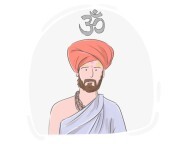
of or relating to, or supportive of, the religion of Hinduism
hindú, hinduista
Las enseñanzas hindúes enfatizan el dharma y el karma.
a major religion in South Asia, Sri Lanka, and Nepal, involving the worship of many gods
hinduismo
Los festivales juegan un papel importante en el hinduismo.

the religion of the Muslims, which was established by Muhammad whose holy book is called the Quran
islam
El Corán es el libro sagrado del Islam, que se cree es la palabra de Dios revelada a Mahoma.
related to the religion, culture, or people of Islam
islámico, musulmán
El Corán es el libro sagrado islámico.

related to the religion, culture, or people of Judaism
judío
La Torá es un texto sagrado en la religión judía.
the religion of Jewish people that is monotheistic
judaísmo
Festivales como la Pascua son importantes en el judaísmo.
relating to Islam or to people who follow Islam
musulmán, islámico
related to the beliefs, practices, or traditions that are in accordance with the teachings and customs of the Eastern Orthodox Church
ortodoxo, relacionado con la Iglesia ortodoxa
La creencia ortodoxa en la Santísima Trinidad es central para su fe.
relating to Protestantism, Protestants, or their churches
protestante
a branch of Christianity that separated from the Roman Catholic Church during the Reformation
protestantismo, el protestantismo
Las iglesias del protestantismo varían en su estilo de adoración.
relating to the Baptist denomination of Christianity
bautista, relacionado con los bautistas
Fue criado en una familia bautista.
the third person of the Christian Trinity, also called the Holy Spirit
Espíritu Santo, Santo Espíritu
El sacerdote habló sobre el poder del Espíritu Santo.
uncertainty or lack of commitment regarding the existence of deities or the ability to know and comprehend the nature of ultimate reality
agnosticismo
Debido a su agnosticismo, abordaba los debates religiosos con un sentido de curiosidad y precaución, evitando posturas firmes sobre la existencia de los dioses.

the belief that rejects the existence of God or a higher power
ateísmo
Ella escribió un ensayo explorando las razones detrás de su ateísmo.
relating to the belief that God or gods do not exist
ateo, ateísta
Las sociedades ateas a menudo se centran en la ética secular.
referring to a Christian group emphasizing the significance of the Bible and salvation through faith
evangélico
El movimiento evangélico cobró impulso durante el Gran Despertar en América.
a philosophical theory asserting that all of reality is fundamentally unified and derived from a single substance or principle
monismo, teoría monista
La filosofía de Spinoza abraza el monismo, afirmando que Dios y la naturaleza son dos aspectos de una misma sustancia última.

the doctrine that separates the state from religious associations
laicismo
La política de laicismo garantiza que las decisiones gubernamentales estén libres de sesgo religioso.
the belief that the human spirit or soul can survive after death and communicate with the living
espiritismo
Practicó el espiritismo para conectarse con sus parientes fallecidos.
the quality of relating to the human spirit or religious matters rather than material things
espiritualidad
La espiritualidad es central en muchas prácticas religiosas.
the belief in the existence of one or more gods or deities
teísmo
El teísmo a menudo implica prácticas y rituales para honrar a las deidades.
(in Christianity) the concept of God as Father, Son, and Holy Spirit
Trinidad
En su oración, invocó las bendiciones de la Trinidad.
the execution of Jesus by being nailed to a cross
crucifixión, crucificción
Los artistas han representado la crucifixión en muchas pinturas.
(in Hinduism and Buddhism) a spiritual state beyond the cycle of rebirth, marked by the end of desire, suffering, and individual consciousness
nirvana, la iluminación
Ella estudió técnicas de meditación destinadas a alcanzar el nirvana.

to rescue someone from their sins
redimir, salvar
A través de actos de bondad y caridad, las personas buscan redimirse ante los ojos de su fe.
the belief that after someone’s death, their spirit comes back to life in the form of a new body, especially in Buddhism and Hinduism
reencarnación
La historia de las vidas pasadas del monje es un ejemplo de reencarnación.
the return to life of Christ on the third day after his death on the cross, according to the New Testament
Resurrección
Según el Nuevo Testamento, la resurrección de Jesús es un signo del poder y el amor de Dios, demostrando que la muerte ha sido vencida y que la salvación está disponible para todos los que creen.
(Christian theology) the deliverance from sin and its consequences, believed to be brought about by faith in Christ
salvación
a transformative 16th-century movement challenging and reforming practices within Christianity, leading to the establishment of Protestant denominations
reforma, Reforma Protestante
La Reforma enfatizó la fe individual y la autoridad de las Escrituras sobre las doctrinas establecidas de la Iglesia Católica.
