pattern

Vocabulario clave para lesiones y primeros auxilios - Moretón

Revisión

Tarjetas de memoria

formas

Ortografía

Cuestionario

Empezar a aprender
Key Vocabulary for Injuries & First Aid
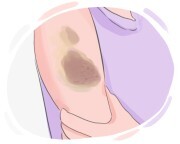
bruise
bruise
[Sustantivo]

an injury on the skin that appears as a dark mark, caused by a blow involving the rupture of vessels underneath

moradura

moradura

Ex: She applied ice to the bruise on her leg to reduce swelling and alleviate some of the pain from the impact. 

Aplicó hielo en el moretón de su pierna para reducir la hinchazón y aliviar parte del dolor del impacto.
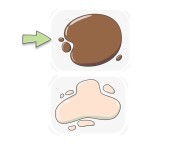
dark
dark
[Adjetivo]

(of a color) having a deep or intense hue

oscuro

oscuro

Ex: The artist used dark tones to create depth in the painting. 
mark
mark
[Sustantivo]

a visible sign or impression left on a surface

marca, señal

marca, señal

Ex: The hammer made a mark on the wall. 
skin
skin
[Sustantivo]

the thin layer of tissue that covers the body of a person or an animal

cutis, piel

cutis, piel

Ex: The baby's skin was soft and smooth to the touch. 
purple
purple
[Adjetivo]

having a color between red and blue

morado, púrpura
morado, púrpura

Ex: The garden was filled with purple flowers. 
to happen
to happen
[Verbo]

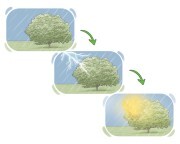
to come into existence by chance or as a consequence

ocurrir
ocurrir

Ex: The meeting happened because everyone agreed it was necessary. 
to hit
to hit
[Verbo]

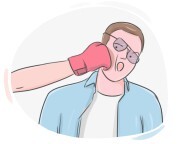
to strike someone or something with force using one's hand or an object

golpear, pegar
golpear, pegar

Ex: The teacher told the student not to hit his classmates. 
arm
arm
[Sustantivo]

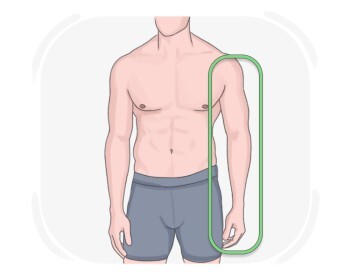
one of the two body parts that is connected to the shoulder and ends with fingers

brazo
brazo

Ex: She carries the heavy grocery bags with one arm. 
leg
leg
[Sustantivo]

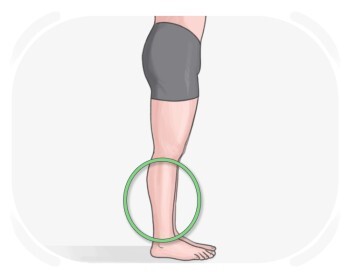
each of the two long body parts that we use when we walk

pierna
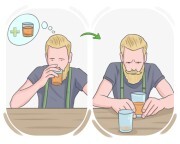
pierna

Ex: I massaged my leg to relieve muscle tension. 
another
another
[Determinante]

one more of the same kind of object or living thing

otro
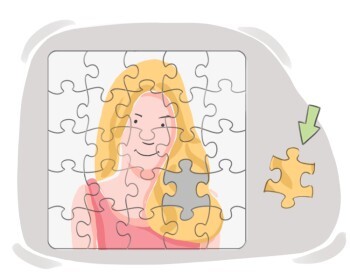
otro

Ex: She bought another book to add to her collection. 
part
part
[Sustantivo]

any of the pieces making a whole, when combined

parte, pieza
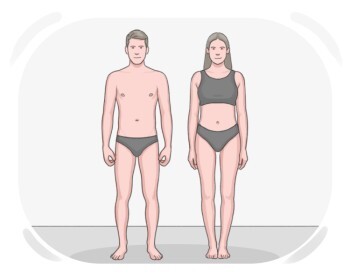
parte, pieza

Ex: The backyard is a private part of the house. 
body
body
[Sustantivo]

our or an animal's hands, legs, head, and every other part together

cuerpo
cuerpo

Ex: The body's immune system protects against harmful bacteria and viruses. 
to fall
to fall
[Verbo]

to quickly move from a higher place toward the ground

caerse
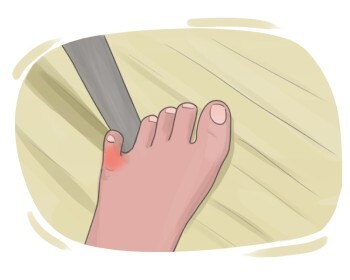
caerse

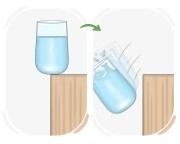
Ex: She loses her balance and falls backwards. 
to bump into

to hit something forcefully and suddenly

chocar contra, golpear

chocar contra, golpear

Ex: The car swerved to avoid an animal and ended up bumping into the guardrail. 

El coche se desvió para evitar un animal y terminó chocando contra la barrera de seguridad.
anyone
anyone
[Pronombre]

used for referring to a person when who that person is does not matter

cualquiera

cualquiera

Ex: If anyone has objections, please speak up now. 

Si alguien tiene objeciones, que hable ahora.
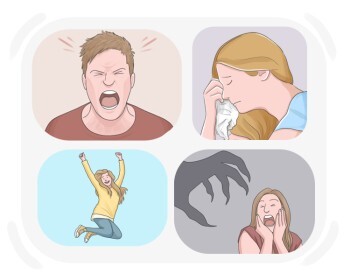
to get
to get
[Verbo]

to experience a specific condition, state, or action

ponerse
ponerse

Ex: They decided to get involved in community service. 
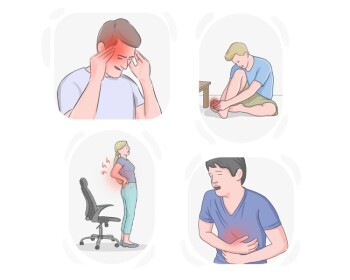
to hurt
to hurt
[Verbo]

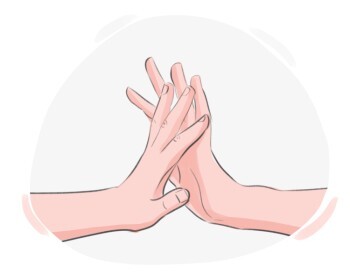
to feel pain in a part of the body

doler
doler

Ex: He said his tooth hurt every time he drank something cold. 
to touch
to touch
[Verbo]

to put our hand or body part on a thing or person

tocar, rozar
tocar, rozar

Ex: She gently touched the soft fur of the cat. 
sometimes
sometimes
[Adverbio]

on some occasions but not always

a veces
a veces

Ex: They sometimes play board games as a family. 
to cut
to cut
[Verbo]

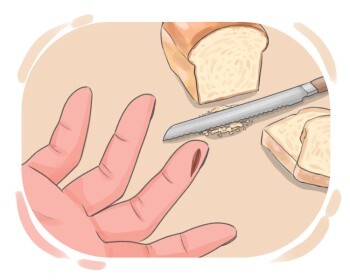
to accidentally wound and hurt yourself or others, especially with a sharp object, causing the skin to break and bleed

cortar, herir
cortar, herir

Ex: I accidentally cut my finger while I was chopping vegetables. 
blood
blood
[Sustantivo]

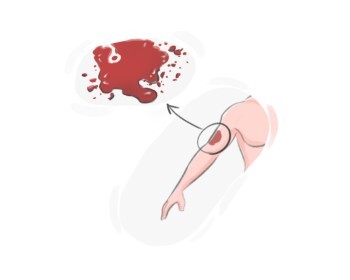
the red liquid that the heart pumps through the body, carrying oxygen to and carbon dioxide from the tissues

sangre
sangre

Ex: The doctor drew a small amount of blood for a routine test. 
to stay
to stay
[Verbo]

to remain in a particular place

quedarse
quedarse

Ex: We'll stay at the office to finish the project on time. 
usually
usually
[Adverbio]

in most situations or under normal circumstances

normalmente
normalmente

Ex: We usually have a family gathering on Thanksgiving. 
better
better
[Adjetivo]

recovered from a physical or mental health problem completely or compared to the past

mejor

mejor

Ex: I hope you get better soon! 

¡Espero que te mejores pronto!

a few
a few
[Determinante]

used to indicate a small number of items, people, or things

algunos, unos pocos

algunos, unos pocos

Ex: He has a few friends coming over to watch the game tonight. 

Tiene algunos amigos que vienen a ver el juego esta noche.
may
may
[Verbo]

used to show the possibility of something happening or being the case

poder

poder

Ex: The package may be delivered by tomorrow morning. 

El paquete puede ser entregado mañana por la mañana.
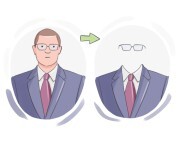
to go away
to go away
[Verbo]

to vanish or cease to exist

desaparecer, esfumarse

desaparecer, esfumarse

Ex: The stain on the fabric wouldn't go away, no matter how hard she tried to clean it. 

La mancha en la tela no quería desaparecer, por mucho que intentara limpiarla.
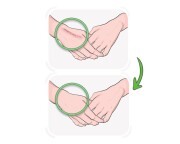
to heal
to heal
[Verbo]

to become healthy again

sanarse, curarse

sanarse, curarse

Ex: The injury is currently healing with the prescribed treatment. 

La lesión se está curando con el tratamiento prescrito.
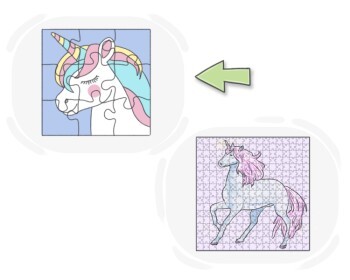
simple
simple
[Adjetivo]

not involving difficulty in doing or understanding

fácil

fácil

Ex: The task was simple to complete; it didn't require any specialized skills. 
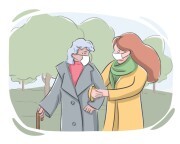
way
way
[Sustantivo]

a procedure or approach used to achieve something

manera
manera

Ex: We must find a better way to manage our time. 
to [take] care of {sb/sth}

to look after or manage someone or something, ensuring their needs are met

cuidar de, cuidar a
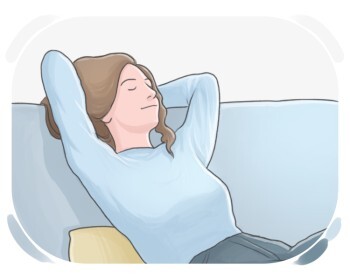
cuidar de, cuidar a

Ex: She's been taking care of her sick mother for the past few months. 
to rest
to rest
[Verbo]

to stop working, moving, or doing an activity for a period of time and sit or lie down to relax

descansar

descansar

Ex: Please rest and take a break before you continue with your tasks. 
hurt
hurt
[Adjetivo]

experiencing physical injury, particularly one sustained in battle or conflict

herido, lastimado
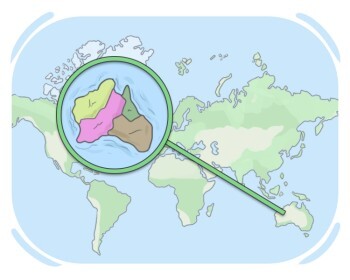
herido, lastimado

Ex: The medic treated the hurt troops with urgency. 
area
area
[Sustantivo]

a particular part or region of a city, country, or the world

área, zona
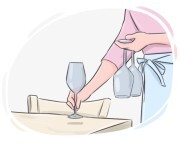
área, zona

Ex: The earthquake affected a large area, causing significant damage. 
to put
to put
[Verbo]

to move something or someone from one place or position to another

poner
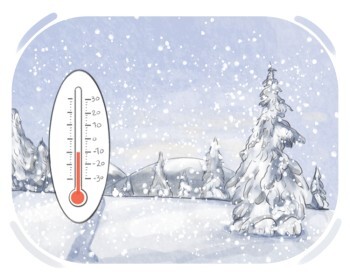
poner

Ex: She put the child in the car seat. 
cold
cold
[Adjetivo]

having a temperature lower than the human body's average temperature

frío
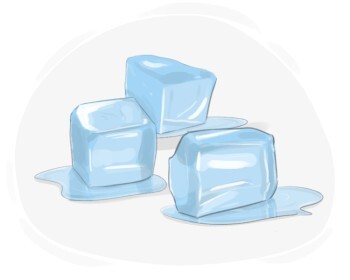
frío

Ex: She bundled up in a scarf and gloves to stay warm in the cold weather. 
ice
ice
[Sustantivo]

frozen water, which has a solid state

hielo

hielo

Ex: I used an ice pack to reduce the swelling on my injured knee. 
wrapped
wrapped
[Adjetivo]

enclosed in paper or another material for protection or presentation

envuelto,  empaquetado
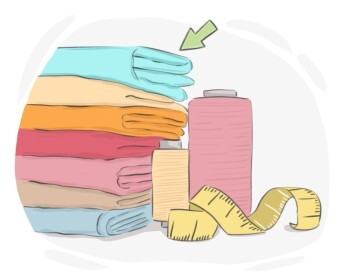
envuelto, empaquetado

Ex: Each wrapped package carried a shipping label. 
cloth
cloth
[Sustantivo]

material made by weaving, knitting, or otherwise forming fibers, especially for making clothes or household items

tela, tejido

tela, tejido

Ex: Daniel wrapped the fragile vase in cloth before packing it. 
better
better
[Adjetivo]

recovered from a physical or mental health problem completely or compared to the past

mejor

mejor

Ex: I hope you get better soon! 

¡Espero que te mejores pronto!

gentle
gentle
[Adjetivo]

not rough, harsh, violent, or forceful

suave
suave

Ex: The baby fell asleep to the gentle movement of the boat. 
to press
to press
[Verbo]

to push a thing tightly against something else

presionar
presionar

Ex: The worker presses the stamp onto the document to mark it as received. 
to keep
to keep
[Verbo]

to make someone or something stay or remain in a specific state, position, or condition

mantener, guardar
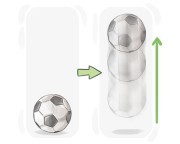
mantener, guardar

Ex: The teacher keeps the students engaged. 
up
up
[Adverbio]

at or toward a higher level or position

arriba

arriba

Ex: The balloon floated up. 
serious
serious
[Adjetivo]

needing attention and action because of possible danger or risk

grave

grave

Ex: The doctor said his condition is serious and needs immediate attention. 

El médico dijo que su condición es grave y necesita atención inmediata.

on {one's} own

without anyone else to support or accompany one
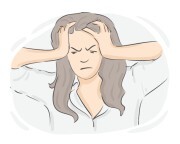
Ex: After moving to the new city, she settled in on her own. 
painful
painful
[Adjetivo]

causing physical pain in someone

doloroso

doloroso

Ex: Her painful shoulder prevented her from lifting anything heavy. 

Su hombro doloroso le impedía levantar algo pesado.
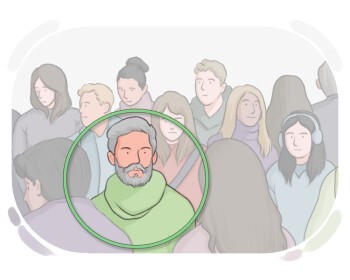
person
person
[Sustantivo]

one human

persona

persona

Ex: The organization is committed to promoting equality and fairness for every person. 
common
common
[Adjetivo]

frequently found, happening, or seen

común

común

Ex: Coffee is a common beverage in many cultures. 

El café es una bebida común en muchas culturas.
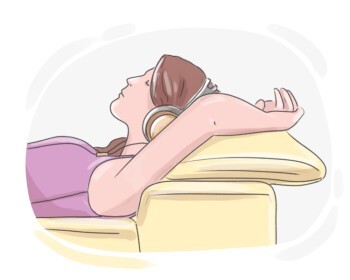
rest
rest
[Sustantivo]

a period of relaxing, sleeping or doing nothing, especially after a period of activity

descanso

descanso

Ex: I felt refreshed after a night's rest. 
care
care
[Sustantivo]

the act of providing treatment and paying attention to the physical and emotional needs of someone or something

asistencia, atención
asistencia, atención

Ex: The organization provides palliative care to terminally ill patients, offering comfort and support during their final days. 
to fade
to fade
[Verbo]

to gradually become weaker, less noticeable, or disappear

disiparse

disiparse

Ex: The memory of that evening gradually faded. 
Vocabulario clave para lesiones y primeros auxilios
MoretónQuemarSangrado nasalCorte
TermómetroBolsa de hielo
LanGeek
Descargar la aplicación LanGeek