
Kluczowe słownictwo dotyczące urazów i pierwszej pomocy - Siniak
Przegląd
Fiszki
formy
Pisownia
Test

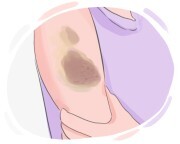
an injury on the skin that appears as a dark mark, caused by a blow involving the rupture of vessels underneath

siniak, stłuczenie
Lekarz zbadał siniak na ramieniu dziecka i uspokoił rodziców, mówiąc, że to powszechne obrażenie, które zagoi się samo.
(of a color) having a deep or intense hue
ciemny, głęboki
Pomalowała paznokcie ciemnym odcieniem fioletu.

a visible sign or impression left on a surface
ślad, znak
Ona wyczyściła plamę z okna.

the thin layer of tissue that covers the body of a person or an animal
skóra, naskórek
Lekarz zalecił noszenie kremu przeciwsłonecznego, aby chronić skórę przed szkodliwymi promieniami UV.
having the color of most ripe eggplants
fioletowy, purpurowy
Fioletowe kwiaty w wazonie były piękne.
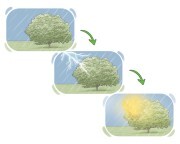
to come into existence by chance or as a consequence
zdarzyć się, wydarzyć się
Niespodziewana burza może zdarzyć się o każdej porze roku.
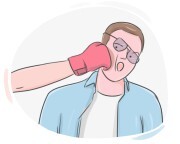
to strike someone or something with force using one's hand or an object
uderzyć, bić
Uderzył worek treningowy, aby złagodzić stres.
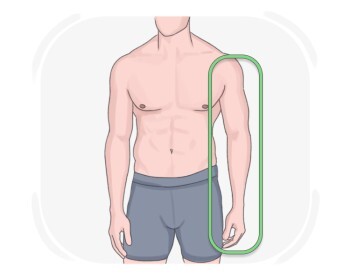
one of the two body parts that is connected to the shoulder and ends with fingers
ramię
Poczuła się bezpiecznie, gdy ojciec objął ją ramieniem.
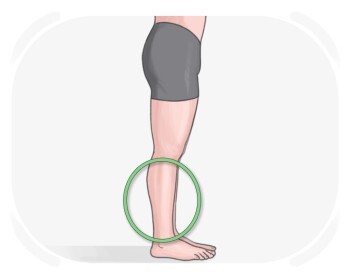
each of the two long body parts that we use when we walk
noga
Poczuła skurcz w nodze po długim bieganiu.
one more of the same kind of object or living thing
inny, jeszcze jeden
Dzieci chcą jeszcze jedną historię przed snem.
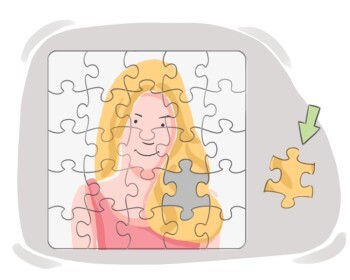
any of the pieces making a whole, when combined
część, element
Salon to moja ulubiona część domu, ponieważ tam odpoczywamy i spędzamy czas razem.
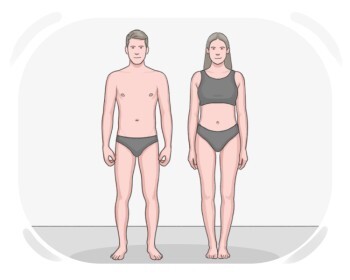
our or an animal's hands, legs, head, and every other part together
ciało, organizm
Lekarz zbadał jej ciało, aby sprawdzić, czy nie ma oznak choroby lub urazu.
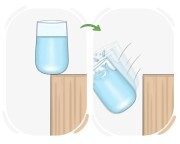
to quickly move from a higher place toward the ground
upaść, spadać
Ptak przeleciał zbyt blisko okna i spadł na ziemię.
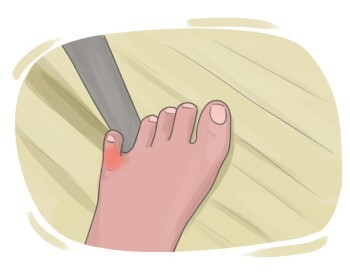
to hit something forcefully and suddenly
uderzyć, wpaść
Skateboarder próbował wykonać trik, ale skończyło się na uderzeniu w krawężnik.
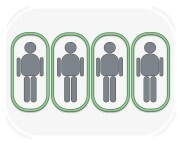
used for referring to a person when who that person is does not matter
ktoś, ktokolwiek
Czy ktoś chce dołączyć do mnie na lunch?
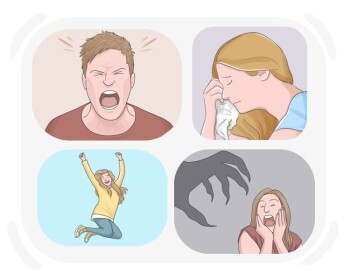
to experience a specific condition, state, or action
dostać, stać się
Przygotowała się do rozmowy kwalifikacyjnej, badając firmę.
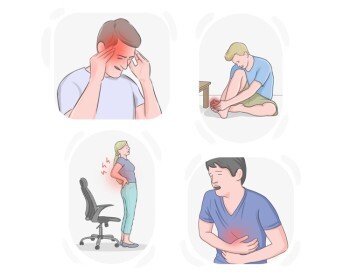
to feel pain in a part of the body
boleć, ranić
Zjadłem za dużo lodów i teraz boli mnie brzuch.
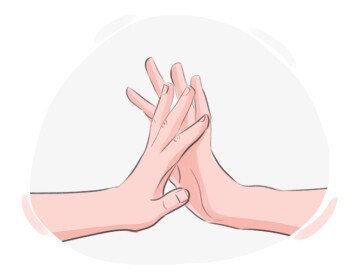
to put our hand or body part on a thing or person
dotykać, dotknąć
Wahała się, by dotknąć gorącej patelni gołymi rękami.
on some occasions but not always
czasami, niekiedy
Czasami urządzamy grill na podwórku.
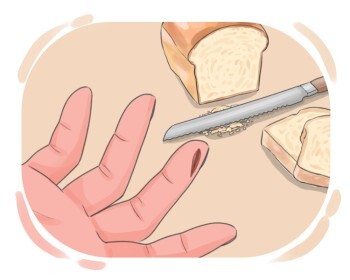
to accidentally wound and hurt yourself or others, especially with a sharp object, causing the skin to break and bleed
ciąć, zranić
Chłopiec przeciął kolano, gdy upadł na skały.
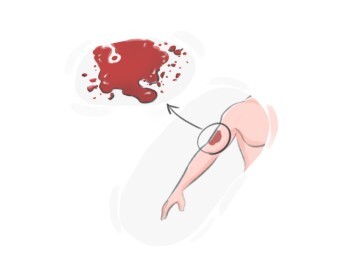
the red liquid that the heart pumps through the body, carrying oxygen to and carbon dioxide from the tissues
krew
Mit o wampirach często obejmuje istoty, które piją krew.
to remain in a particular place
pozostać, przebywać
Przepraszam, ale mam inne spotkanie, więc nie mogę zostać długo.
in most situations or under normal circumstances
zwykle, zazwyczaj
Zwykle spotykają się w kawiarni w piątki.
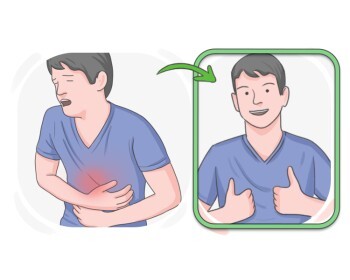
recovered from a physical or mental health problem completely or compared to the past
lepszy, wyzdrowiały
Lekarz powiedział, że jest lepiej i może jutro wrócić do domu.
used to indicate a small number of items, people, or things
kilka, niewiele
Ma kilku przyjaciół, którzy przychodzą dziś wieczorem obejrzeć mecz.
used to show the possibility of something happening or being the case
móc, może
On mógł zostawić swoje klucze na blacie kuchennym.
to vanish or cease to exist
znikać, zniknąć
Miała nadzieję, że jej zmartwienia znikną, gdy rozwiąże problem.
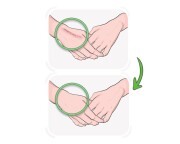
to become healthy again
goić się, uzdrawiać
Wiele osób aktywnie leczy się przy pomocy terapii.
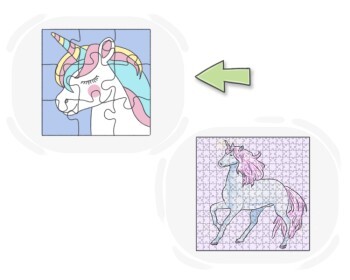
not involving difficulty in doing or understanding
prosty, łatwy
Rozwiązanie zagadki było proste; wymagało tylko logicznego myślenia i obserwacji.
a procedure or approach used to achieve something
metoda, sposób
Medytacja to jeden ze sposobów na zmniejszenie stresu.
![to [take] care of {sb/sth}](https://cdn.langeek.co/photo/27421/thumb/350?type=jpeg "to [take] care of {sb/sth}")
to look after or manage someone or something, ensuring their needs are met
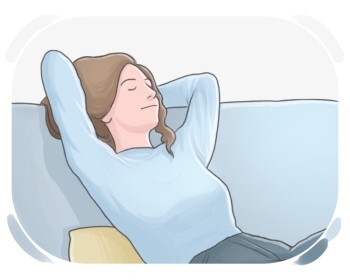
to stop working, moving, or doing an activity for a period of time and sit or lie down to relax
odpoczywać, relaksować się
Proszę odpocząć i zrobić przerwę przed kontynuowaniem zadań.

experiencing physical injury, particularly one sustained in battle or conflict
ranny, zraniony
Medyk potraktował rannych żołnierzy z pośpiechem.
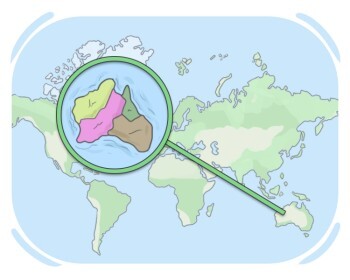
a particular part or region of a city, country, or the world
obszar, rejon
Obszar leśny jest siedliskiem wielu gatunków dzikiej przyrody.
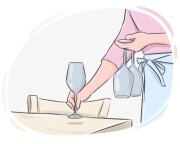
to move something or someone from one place or position to another
kłaść, umieszczać
Wkładamy nasze ręce przez płot, aby pogłaskać zwierzęta.
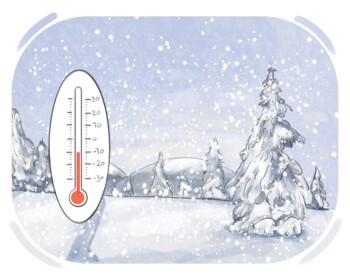
having a temperature lower than the human body's average temperature
zimny, lodowaty
Klimatyzacja sprawiła, że w pokoju było zbyt zimno, więc wyregulowałem temperaturę.
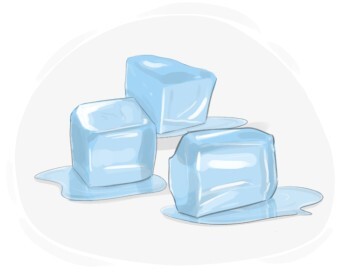
frozen water, which has a solid state
lód
Hokeiści ślizgali się bez wysiłku po lodzie.
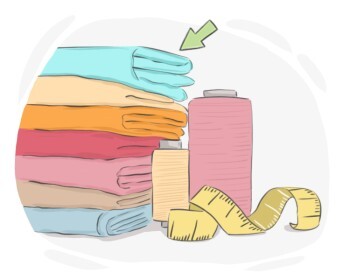
material used for making clothes, which is made by knitting or weaving silk, cotton, etc.
tkanina, materiał
Stragan na rynku był wypełniony kolorową tkaniną o różnych wzorach i fakturach.
recovered from a physical or mental health problem completely or compared to the past
lepszy, wyzdrowiały
Lekarz powiedział, że jest lepiej i może jutro wrócić do domu.
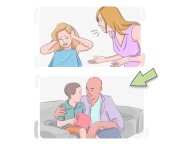
mild or soft in manner, action, or effect
łagodny, delikatny
Jego łagodny głos uspokoił przestraszonego kociaka.
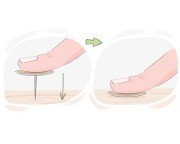
to push a thing tightly against something else
naciskać, przyciskać
Pracownik przyciska pieczątkę do dokumentu, aby oznaczyć go jako otrzymany.
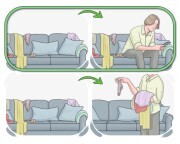
to make someone or something stay or remain in a specific state, position, or condition
utrzymywać, zachowywać
System śledzenia utrzymuje satelitę na orbicie.
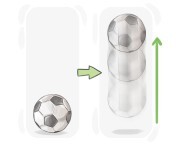
at or toward a higher level or position
w górę, do góry
Wspinaczka w górę wymagała więcej wysiłku, niż się spodziewała.
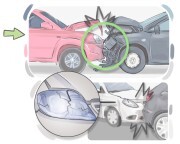
needing attention and action because of possible danger or risk
poważny, ciężki
Lekarz powiedział, że obrażenie było poważne i wymagało natychmiastowej operacji.
without anyone else to support or accompany one
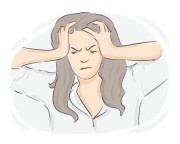
causing physical pain in someone
bolesny, bolesny
Bolesny siniak na jego nodze utrudniał chodzenie.
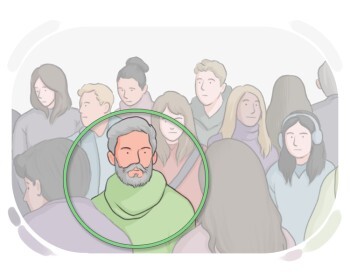
one human
osoba, indywiduum
Gdy wszedłem do pokoju, zauważyłem przyjazną osobę z ciepłym uśmiechem witającą wszystkich.
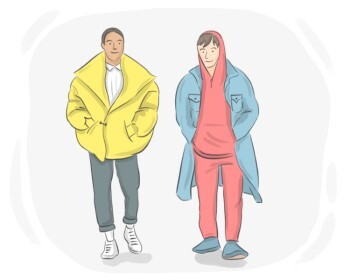
frequently found, happening, or seen
powszechny, częsty
Powszechną praktyką w biurze jest wysyłanie cotygodniowych raportów.
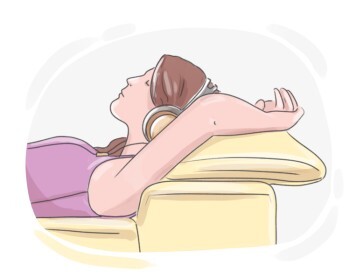
a period of relaxing, sleeping or doing nothing, especially after a period of activity
odpoczynek, przerwa
Zrobiła krótką przerwę po sprzątaniu domu.
the act of providing treatment and paying attention to the physical and emotional needs of someone or something
opieka, uwaga
Organizacja zapewnia opiekę paliatywną pacjentom terminalnie chorym, oferując komfort i wsparcie w ich ostatnich dniach.
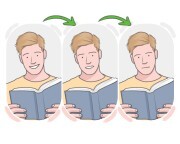
to disappear slowly
zanikać, powoli znikać
Ekscytacja tłumu powoli zanikła, gdy gra zakończyła się remisem.
| Kluczowe słownictwo dotyczące urazów i pierwszej pomocy | |||
|---|---|---|---|
| Siniak | Palić | Krwawienie z nosa | Cięcie |
| Termometr | Okład z lodu | ||
