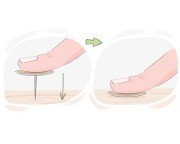
pattern

Klíčová slovní zásoba pro zranění a první pomoc - Modřina

Revize

Kartičky

tvary

Pravopis

Kvíz

Začněte se učit
Key Vocabulary for Injuries & First Aid
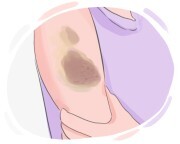
bruise
bruise
[Podstatné jméno]

an injury on the skin that appears as a dark mark, caused by a blow involving the rupture of vessels underneath

modřina, podlitina

modřina, podlitina

Ex: He was embarrassed to show his friends the bruise on his side , a reminder of his clumsiness during a recent soccer match .

Bylo mu trapné ukázat svým přátelům modřinu na boku, připomínku jeho neohrabanosti během nedávného fotbalového zápasu.
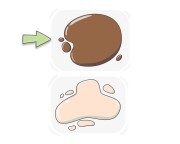
dark
dark
[Přídavné jméno]

(of a color) having a deep or intense hue

tmavý, hluboký

tmavý, hluboký

Ex: The sunset transitioned from a bright orange to a dark crimson , signaling the end of the day .

Západ slunce přešel ze světle oranžové na tmavou karmínovou, což signalizovalo konec dne.

mark
mark
[Podstatné jméno]

a visible sign or impression left on a surface

stopa, značka

stopa, značka

Ex: The floor bore marks from furniture .

Podlaha nesla stopy zanechané nábytkem.

skin
skin
[Podstatné jméno]

the thin layer of tissue that covers the body of a person or an animal

kůže, pokožka

kůže, pokožka

Ex: The spa offered treatments to rejuvenate and pamper the skin.

Lázně nabízely ošetření pro omlazení a hýčkání pokožky.

purple
purple
[Přídavné jméno]

having the color of most ripe eggplants

fialový, purpurový

fialový, purpurový

Ex: The purple grapes were ripe and juicy .

Fialové hrozny byly zralé a šťavnaté.

to happen
to happen
[sloveso]

to come into existence by chance or as a consequence

stát se, přihodit se
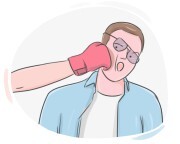
stát se, přihodit se

Ex: If you mix these chemicals , an explosion could happen.

Pokud smícháte tyto chemikálie, mohlo by dojít k výbuchu.

to hit
to hit
[sloveso]

to strike someone or something with force using one's hand or an object

udeřit, bít
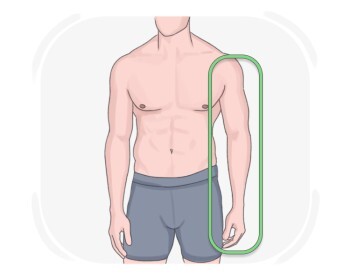
udeřit, bít

Ex: The baseball player hit the ball out of the park for a home run .

Baseballový hráč udeřil míč z parku za domácí běh.

arm
arm
[Podstatné jméno]

one of the two body parts that is connected to the shoulder and ends with fingers

paže
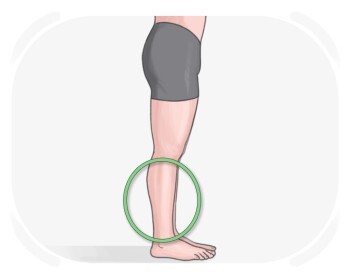
paže

Ex: She used her arm to push open the heavy door .

Použila svou paži, aby otevřela těžké dveře.

leg
leg
[Podstatné jméno]

each of the two long body parts that we use when we walk

noha
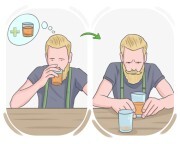
noha

Ex: She wore a long skirt that covered her legs.

Měla na sobě dlouhou sukni, která zakrývala její nohy.

another
another
[Člen]

one more of the same kind of object or living thing

další, ještě jeden
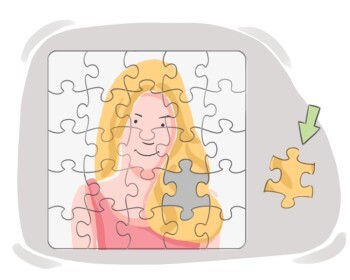
další, ještě jeden

Ex: They need another chair for the guests .

Potřebují další židli pro hosty.

part
part
[Podstatné jméno]

any of the pieces making a whole, when combined

část, součást
část, součást

Ex: The screen is the main part of a laptop .

Obrazovka je hlavní částí notebooku.

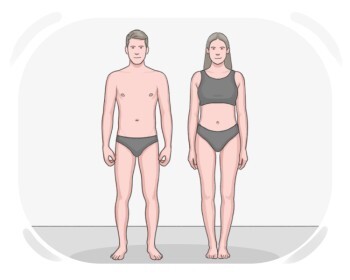
body
body
[Podstatné jméno]

our or an animal's hands, legs, head, and every other part together

tělo, organismus
tělo, organismus

Ex: The human body has many different organs, such as the heart, lungs, and liver.

Lidské tělo má mnoho různých orgánů, jako je srdce, plíce a játra.

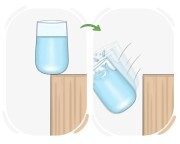
to fall
to fall
[sloveso]

to quickly move from a higher place toward the ground

padat,  spadnout
padat, spadnout

Ex: The leaves fall from the trees in autumn .

Listí padá ze stromů na podzim.

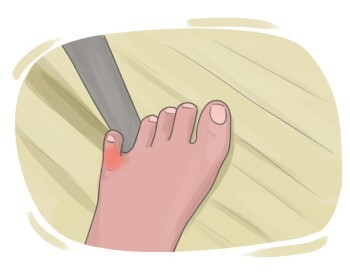
to bump into
to bump into
[sloveso]

to hit something forcefully and suddenly

narazit, srazit se

narazit, srazit se

Ex: The cyclist lost control and bumped into the parked car .

Cyklista ztratil kontrolu a narazil do zaparkovaného auta.
anyone
anyone
[zájmeno]

used for referring to a person when who that person is does not matter

někdo, kdokoli

někdo, kdokoli

Ex: I 'll be happy to talk to anyone who is interested in volunteering .

Budu rád mluvit s kdokoli, kdo má zájem o dobrovolnictví.
to get
to get
[sloveso]

to experience a specific condition, state, or action

dostat, stát se
dostat, stát se

Ex: They got married at the city courthouse .

Oni se vzali na městském soudu.

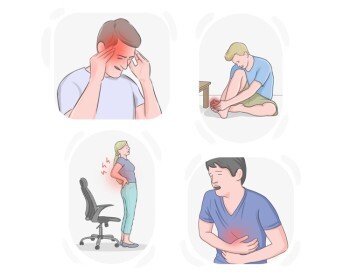
to hurt
to hurt
[sloveso]

to feel pain in a part of the body

bolet,  zraňovat
bolet, zraňovat

Ex: My ears hurt when the airplane was descending .

Když letadlo klesalo, bolely mě uši.

to touch
to touch
[sloveso]

to put our hand or body part on a thing or person

dotknout se, sáhnout
dotknout se, sáhnout

Ex: The musician 's fingers lightly touched the piano keys , creating a beautiful melody .

Prsty hudebníka lehce dotkly kláves pian a vytvořily krásnou melodii.

sometimes
sometimes
[Příslovce]

on some occasions but not always

někdy, občas
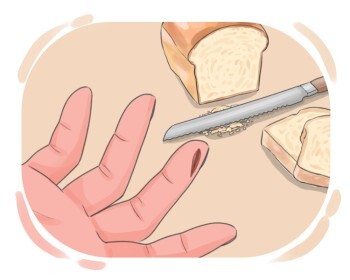
někdy, občas

Ex: We sometimes visit our relatives during the holidays .

Někdy navštěvujeme naše příbuzné během svátků.

to cut
to cut
[sloveso]

to accidentally wound and hurt yourself or others, especially with a sharp object, causing the skin to break and bleed

řezat, poranit
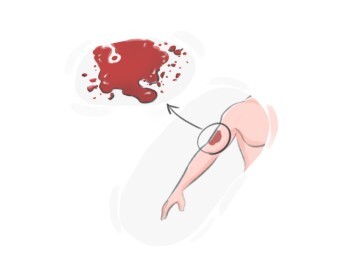
řezat, poranit

Ex: She cut herself on the broken glass while cleaning .

Při úklidu se řízla do rozbitého skla.

blood
blood
[Podstatné jméno]

the red liquid that the heart pumps through the body, carrying oxygen to and carbon dioxide from the tissues

krev
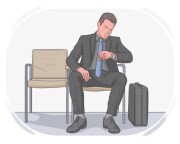
krev

Ex: When you get a cut , the blood might flow from the wound .

Když se říznete, krev může vytékat z rány.

to stay
to stay
[sloveso]

to remain in a particular place

zůstat, pobývat
zůstat, pobývat

Ex: We were about to leave , but our friends convinced us to stay for a game of cards .

Chystali jsme se odejít, ale naši přátelé nás přesvědčili, abychom zůstali na hru karet.

usually
usually
[Příslovce]

in most situations or under normal circumstances

obvykle, zpravidla
obvykle, zpravidla

Ex: We usually visit our grandparents during the holidays .

Obvykle navštěvujeme naše prarodiče během svátků.

better
better
[Přídavné jméno]

recovered from a physical or mental health problem completely or compared to the past

lepší, uzdravený

lepší, uzdravený

Ex: The fresh air made her feel instantly better.

Čerstvý vzduch jí okamžitě udělal lépe.

a few
a few
[Člen]

used to indicate a small number of items, people, or things

několik, pár

několik, pár

Ex: The teacher asked the students to complete a few exercises for homework .

Učitel požádal studenty, aby dokončili několik cvičení jako domácí úkol.

may
may
[sloveso]

used to show the possibility of something happening or being the case

moci, možná

moci, možná

Ex: The concert tickets may sell out quickly , so it 's best to buy them in advance .

Vstupenky na koncert mohou být rychle vyprodány, takže je nejlepší je koupit předem.
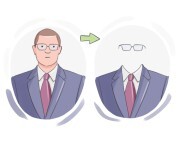
to go away
to go away
[sloveso]

to vanish or cease to exist

zmizet, vytratit se

zmizet, vytratit se

Ex: The symptoms of the illness can go away with the right treatment .

Příznaky nemoci mohou zmizet se správnou léčbou.
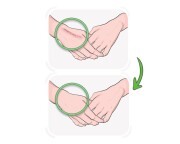
to heal
to heal
[sloveso]

to become healthy again

hojit, uzdravovat

hojit, uzdravovat

Ex: Patients have recently healed after undergoing medical procedures .

Pacienti se nedávno uzdravili po lékařských zákrocích.
simple
simple
[Přídavné jméno]

not involving difficulty in doing or understanding

jednoduchý, snadný

jednoduchý, snadný

Ex: The instructions were simple to follow , with clear steps outlined .

Pokyny byly jednoduché k následování, s jasnými kroky nastíněnými.

way
way
[Podstatné jméno]

a procedure or approach used to achieve something

metoda, způsob

metoda, způsob

Ex: They debated the most effective way to teach grammar .

Diskutovali o nejúčinnějším způsobu výuky gramatiky.

to [take] care of {sb/sth}

to look after or manage someone or something, ensuring their needs are met
Ex: He promised to take care of the plants while his friend was on vacation.
to rest
to rest
[sloveso]

to stop working, moving, or doing an activity for a period of time and sit or lie down to relax

odpočívat, relaxovat

odpočívat, relaxovat

Ex: The cat likes to find a sunny spot to rest and soak up the warmth .

Kočka ráda najde slunné místo k odpočinku a vychutná si teplo.

hurt
hurt
[Přídavné jméno]

experiencing physical injury, particularly one sustained in battle or conflict

zraněný, poraněný
zraněný, poraněný

Ex: Despite being hurt, she continued to lead her team through the crisis.

Navzdory tomu, že byla zraněna, pokračovala v vedení svého týmu krizí.

area
area
[Podstatné jméno]

a particular part or region of a city, country, or the world

oblast, území
oblast, území

Ex: They moved to a new area of the city that was closer to their jobs .

Přestěhovali se do nové oblasti města, která byla blíže jejich pracovištím.

to put
to put
[sloveso]

to move something or someone from one place or position to another

položit, umístit
položit, umístit

Ex: Can you put the groceries in the fridge ?

Můžeš dát nákup do lednice?

cold
cold
[Přídavné jméno]

having a temperature lower than the human body's average temperature

studený, ledový
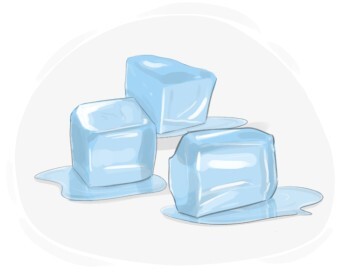
studený, ledový

Ex: The ice cubes made the drink refreshingly cold.

Kostky ledu udělaly nápoj osvěžujícím způsobem studený.

ice
ice
[Podstatné jméno]

frozen water, which has a solid state

led

led

Ex: The windshield was covered in ice, so I had to scrape it before driving .

Čelní sklo bylo pokryto ledem, takže jsem ho musel před jízdou seškrábat.

wrapped
wrapped
[Přídavné jméno]

enclosed securely in a covering of paper or the like

zabalený, obalený

zabalený, obalený

cloth
cloth
[Podstatné jméno]

material used for making clothes, which is made by knitting or weaving silk, cotton, etc.

látka, tkanina

látka, tkanina

Ex: They used fine silk cloth to create elegant evening gowns .

Použili jemnou hedvábnou látku k vytvoření elegantních večerních šatů.

better
better
[Přídavné jméno]

recovered from a physical or mental health problem completely or compared to the past

lepší, uzdravený

lepší, uzdravený

Ex: The fresh air made her feel instantly better.

Čerstvý vzduch jí okamžitě udělal lépe.
gentle
gentle
[Přídavné jméno]

mild or soft in manner, action, or effect

jemný, mírný

jemný, mírný

Ex: The medicine provided a gentle relief from the persistent headache .

Lék poskytl jemnou úlevu od přetrvávající bolesti hlavy.

to press
to press
[sloveso]

to push a thing tightly against something else

tlačit, mačkat
tlačit, mačkat

Ex: The child pressed her hand against the window to feel the raindrops .

Dítě přitisklo ruku k oknu, aby cítilo kapky deště.

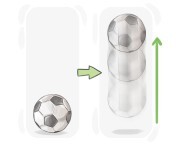
to keep
to keep
[sloveso]

to make someone or something stay or remain in a specific state, position, or condition

udržovat, uchovávat
udržovat, uchovávat

Ex: They keep the fridge stocked with fresh ingredients .

Udržují lednici zásobenou čerstvými surovinami.

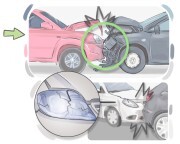
up
up
[Příslovce]

at or toward a higher level or position

nahoru, vzhůru
nahoru, vzhůru

Ex: The cat leaped up onto the shelf.

Kočka skočila nahoru na polici.

serious
serious
[Přídavné jméno]

needing attention and action because of possible danger or risk

vážný, těžký

vážný, těžký

Ex: The storm caused serious damage to the homes in the area .

Bouře způsobila vážné škody na domech v oblasti.

on {one's} own
on one's own
[fráze]

without anyone else to support or accompany one
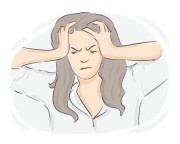
Ex: She was proud to finish the marathon on her own without relying on anyone.
painful
painful
[Přídavné jméno]

causing physical pain in someone

bolestivý, utrpení

bolestivý, utrpení

Ex: Her painful shoulder prevented her from lifting anything heavy .

Její bolavé rameno jí bránilo zvednout cokoli těžkého.

person
person
[Podstatné jméno]

one human

osoba, jedinec

osoba, jedinec

Ex: The talented artist was a remarkable person, expressing emotions through their captivating paintings .

Talentovaný umělec byl pozoruhodnou osobou, vyjadřující emoce prostřednictvím svých okouzlujících obrazů.

common
common
[Přídavné jméno]

frequently found, happening, or seen

běžný, častý

běžný, častý

Ex: It 's common to see tourists in the city during the summer .

Během léta je běžné vidět ve městě turisty.
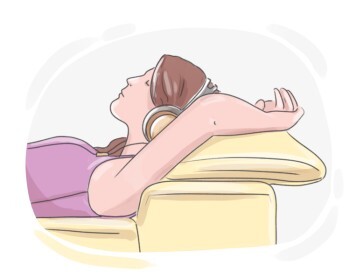
rest
rest
[Podstatné jméno]

a period of relaxing, sleeping or doing nothing, especially after a period of activity

odpočinek,  přestávka

odpočinek, přestávka

Ex: The doctor advised him to take a lot of rest to recover quickly .

Lékař mu doporučil hodně odpočinku, aby se rychle zotavil.

care
care
[Podstatné jméno]

the act of providing treatment and paying attention to the physical and emotional needs of someone or something

péče,  pozornost
péče, pozornost

Ex: The hospital provides compassionate care to all patients , ensuring their physical and emotional needs are met .

Nemocnice poskytuje všem pacientům soucitnou péči a zajišťuje, aby byly uspokojeny jejich fyzické a emocionální potřeby.

to fade
to fade
[sloveso]

to disappear slowly

vyblednout, pomalu mizet

vyblednout, pomalu mizet

Ex: Despite his best efforts , the hope in his heart began to fade as the days passed without any news .

Navzdory jeho nejlepším snahám začala naděje v jeho srdci vybledávat, když dny plynuly bez jakýchkoli zpráv.

Klíčová slovní zásoba pro zranění a první pomoc
ModřinaHořetKrvácení z nosuŘezat
TeploměrLedový obklad
LanGeek
Stáhnout aplikaci LanGeek