pattern

Lista de Palabras Nivel B1 - El Reino Animal

Aquí aprenderás algunas palabras en inglés sobre animales, como "giraffe", "crow", "gorilla", etc. preparadas para estudiantes de B1.

Revisión

Tarjetas de memoria

Ortografía

Cuestionario

Empezar a aprender
CEFR B1 Vocabulary
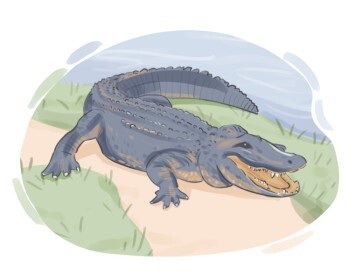
alligator
alligator
[Sustantivo]

a large animal living in both water and on land which has strong jaws, a long tail, and sharp teeth

aligátor

aligátor

Ex: Rangers warned visitors not to approach an alligator near the trail. 

A pesar de su apariencia amenazante, el caimán juega un papel vital en el mantenimiento del equilibrio del ecosistema.

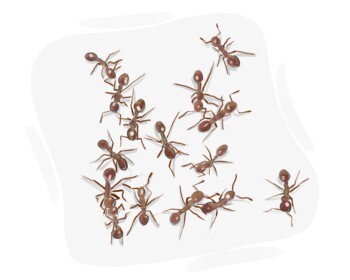
ant
ant
[Sustantivo]

a small insect that lives in a colony

hormiga

hormiga

Ex: The ant's ability to lift objects many times its own weight never ceased to amaze scientists. 

La capacidad de la hormiga para levantar objetos muchas veces su propio peso nunca dejó de sorprender a los científicos.
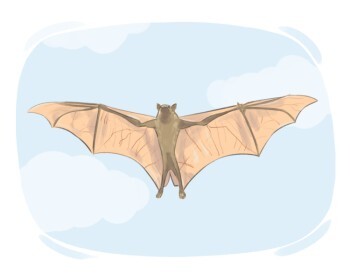
bat
bat
[Sustantivo]

a small flying creature that comes out at night

murciélago
murciélago

Ex: Vampire bats feed on the blood of other animals, using their sharp incisors to make tiny incisions. 

Los murciélagos vampiros se alimentan de la sangre de otros animales, utilizando sus afilados incisivos para hacer pequeñas incisiones.

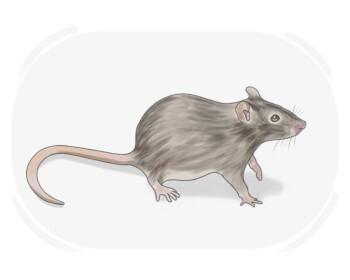
rat
rat
[Sustantivo]

a large mouse-like animal with a long tail, which spreads diseases

rata

rata

Ex: Rats are highly adaptable creatures, able to survive in diverse habitats ranging from sewers to forests. 

Las ratas son criaturas altamente adaptables, capaces de sobrevivir en diversos hábitats que van desde alcantarillas hasta bosques.

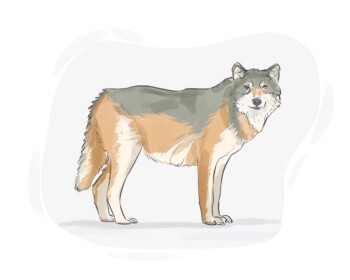
wolf
wolf
[Sustantivo]

a big and wild animal from the same family as dogs that hunts for food in groups

lobo

lobo

Ex: The lone wolf prowled through the dense forest, hunting for prey. 

El lobo solitario merodeaba por el denso bosque, cazando presas.

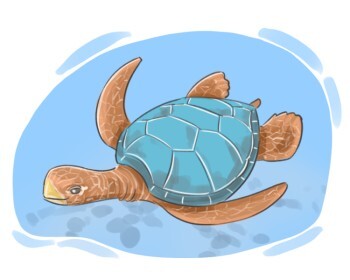
turtle
turtle
[Sustantivo]

an animal that has a hard shell around its body and lives mainly in water

tortuga

tortuga

Ex: Despite their slow pace, turtles are skilled predators, capable of ambushing prey with lightning-fast strikes. 

A pesar de su ritmo lento, las tortugas son depredadores hábiles, capaces de emboscar a sus presas con ataques relámpago.
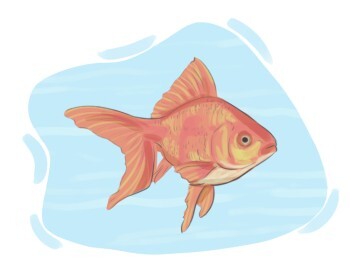
goldfish
goldfish
[Sustantivo]

a small red or orange fish often kept as a pet

pez dorado

pez dorado

Ex: Goldfish come in a variety of colors and patterns, from vibrant orange to shimmering metallic hues. 

Los peces dorados vienen en una variedad de colores y patrones, desde el naranja vibrante hasta los tonos metálicos brillantes.
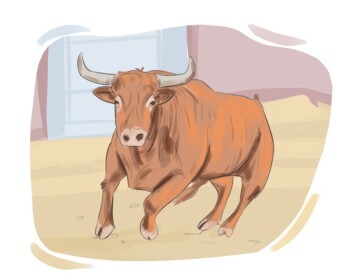
bull
bull
[Sustantivo]

any male member of the cow family

toro

toro

Ex: In some cultures, bulls are revered as symbols of strength, power, and virility. 

En algunas culturas, los toros son venerados como símbolos de fuerza, poder y virilidad.

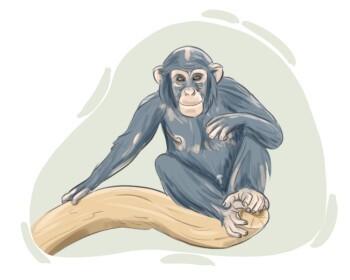
chimpanzee
chimpanzee
[Sustantivo]

an intelligent ape, with mainly black fur, which has no tail and is native to the forests of western and central Africa

chimpancé
chimpancé

Ex: Chimpanzees communicate through a variety of vocalizations, gestures, and facial expressions, forming close bonds within their social groups. 

Los chimpancés se comunican a través de una variedad de vocalizaciones, gestos y expresiones faciales, formando vínculos estrechos dentro de sus grupos sociales.

donkey
donkey
[Sustantivo]

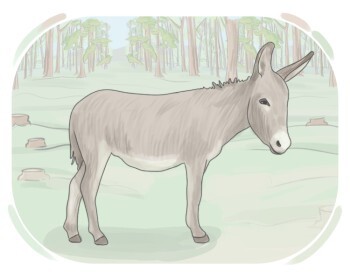
an animal that is like a horse but has shorter legs and longer ears, and is used for carrying things and riding

burro
burro

Ex: The stubborn donkey refused to move, making the journey through the narrow path challenging. 

El burro terco se negó a moverse, haciendo que el viaje por el camino estrecho fuera desafiante.

giraffe
giraffe
[Sustantivo]

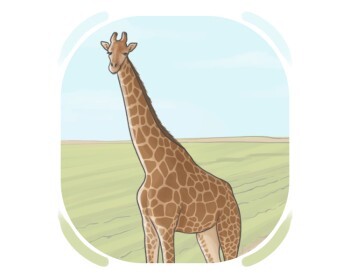
a tall animal with a very long neck and long legs that has brown spots on its yellow fur

jirafa
jirafa

Ex: Tourists marveled at the sight of a herd of giraffes roaming the vast grasslands, their towering silhouettes against the horizon. 

Los turistas se maravillaron ante la vista de una manada de jirafas recorriendo las vastas praderas, sus imponentes siluetas contra el horizonte.

gorilla
gorilla
[Sustantivo]

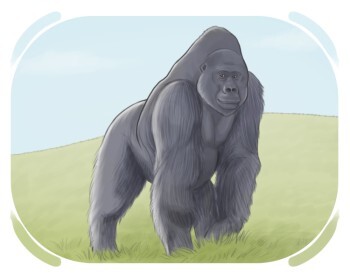
an African ape which has a large head and short neck that looks like a monkey with no tail

gorila
gorila

Ex: Visitors to the zoo watched in awe as the gorillas interacted with each other, playing and grooming in their lush enclosure. 

Los visitantes del zoológico observaron con asombro cómo los gorilas interactuaban entre sí, jugando y acicalándose en su frondoso recinto.

rooster
rooster
[Sustantivo]

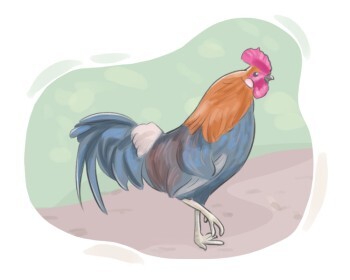
an adult male chicken

gallo

gallo

Ex: Roosters play a vital role in poultry farms, fertilizing eggs and protecting the flock from potential threats. 

Los gallos juegan un papel vital en las granjas avícolas, fertilizando huevos y protegiendo la bandada de amenazas potenciales.
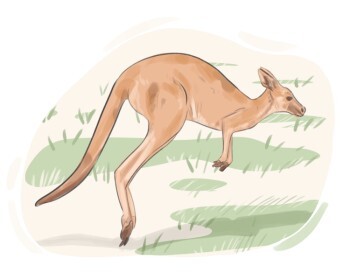
kangaroo
kangaroo
[Sustantivo]

a large Australian animal with a long tail and two strong legs that moves by leaping, female of which can carry its babies in its stomach pocket which is called a pouch

canguro
canguro

Ex: Kangaroos use their muscular tails for balance while hopping and as a powerful counterbalance when moving slowly or standing upright. 

Los canguros usan sus colas musculosas para equilibrarse al saltar y como un poderoso contrapeso al moverse lentamente o pararse erguidos.

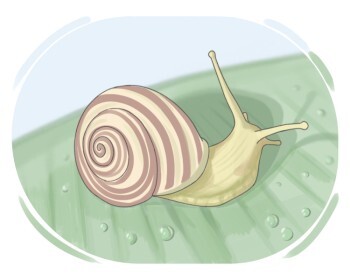
snail
snail
[Sustantivo]

a small, soft creature which carries a hard shell on its back and moves very slowly

caracol

caracol

Ex: Snails withdraw into their shells when threatened, retracting their sensitive tentacles for protection. 

Los caracoles se retraen en sus conchas cuando se sienten amenazados, retrayendo sus tentáculos sensibles para protegerse.
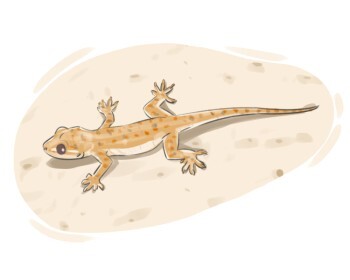
lizard
lizard
[Sustantivo]

a group of animals with a long body and tail, a rough skin and two pairs of short legs

lagarto

lagarto

Ex: Some species of lizards, like chameleons, can change color to blend into their surroundings or communicate with other lizards. 

Algunas especies de lagartos, como los camaleones, pueden cambiar de color para mezclarse con su entorno o comunicarse con otros lagartos.
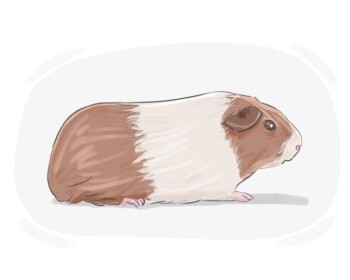
guinea pig
guinea pig
[Sustantivo]

a small furry animal with rounded ears, short legs and no tail, which is often kept as a pet or for research

conejillo de indias
conejillo de indias

Ex: Guinea pigs are herbivores, enjoying a diet of fresh vegetables, hay, and pellets. 

Los conejillos de Indias son herbívoros, disfrutando de una dieta de vegetales frescos, heno y pellets.

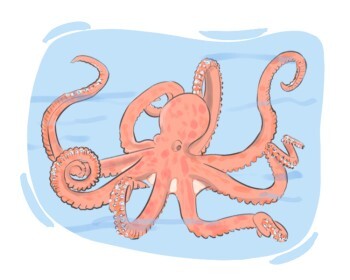
octopus
octopus
[Sustantivo]

a sea creature with eight, long arms and a soft round body with no internal shell

pulpo

pulpo

Ex: Octopuses are skilled hunters, using their tentacles to capture prey and their sharp beaks to tear it apart. 

Los pulpos son cazadores hábiles, que usan sus tentáculos para capturar presas y sus afilados picos para desgarrarlas.
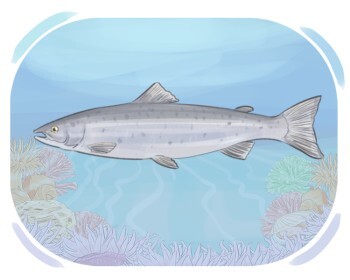
salmon
salmon
[Sustantivo]

a silver-colored fish often found in both freshwater and saltwater environments

salmón

salmón

Ex: Salmon swim upstream against strong currents to reach their spawning grounds, displaying incredible strength and determination. 

El salmón nada contra fuertes corrientes para llegar a sus zonas de desove, mostrando una increíble fuerza y determinación.

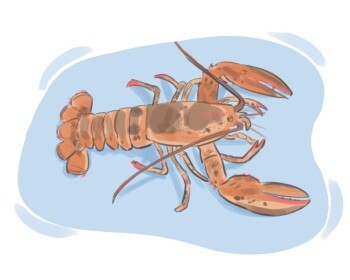
lobster
lobster
[Sustantivo]

a sea animal with a shell, a pair of strong, large claws and eight legs

langosta

langosta

Ex: Lobsters are territorial creatures, defending their sheltered burrows from intruders with aggressive displays. 

Las langostas son criaturas territoriales, defendiendo sus madrigueras protegidas de los intrusos con despliegues agresivos.
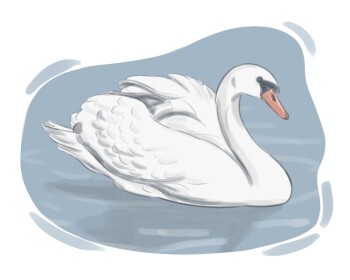
swan
swan
[Sustantivo]

a large bird that is normally white, has a long neck and lives on or around water

cisne

cisne

Ex: Children fed breadcrumbs to the swans at the park, marveling at their gentle demeanor and graceful movements. 

Los niños alimentaron con migas de pan a los cisnes en el parque, maravillados por su comportamiento gentil y movimientos elegantes.

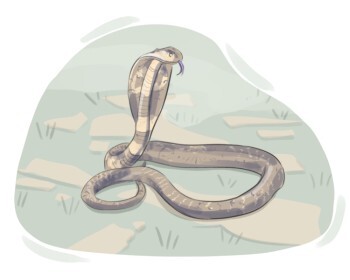
cobra
cobra
[Sustantivo]

a highly venomous kind of snake that can flatten its neck when in danger or to scare other animals

cobra

cobra

Ex: The venom of a cobra can be deadly if not treated promptly. 

El veneno de una cobra puede ser mortal si no se trata rápidamente.
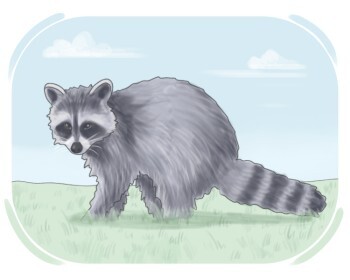
raccoon
raccoon
[Sustantivo]

a small animal with a thick tail, gray-brown fur and black marks on its face

mapache
mapache

Ex: Raccoons have nimble hands with dexterous fingers, allowing them to manipulate objects and open containers. 

Los mapaches tienen manos ágiles con dedos diestros, lo que les permite manipular objetos y abrir contenedores.

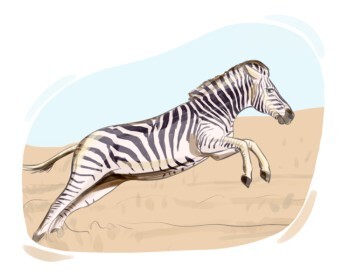
zebra
zebra
[Sustantivo]

a wild animal that lives in Africa, which is like a horse, with black-and-white stripes on its body

cebra
cebra

Ex: Zebras use their stripes as a form of camouflage, making it difficult for predators to single out individual animals within a herd. 

Las cebras usan sus rayas como una forma de camuflaje, lo que dificulta que los depredadores elijan un animal individual dentro de una manada.

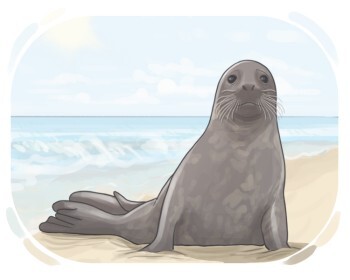
seal
seal
[Sustantivo]

a large sea animal with flippers that eats fish, can live on land and in water, and is hunted by humans for its fur

foca
foca

Ex: Seals use their flippers to propel themselves through the water with remarkable agility, hunting for fish and other prey. 

Las focas usan sus aletas para impulsarse a través del agua con una agilidad notable, cazando peces y otras presas.

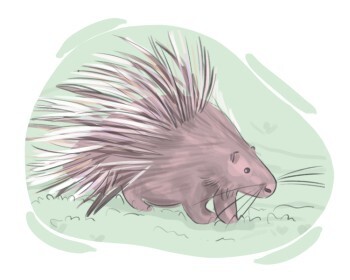
porcupine
porcupine
[Sustantivo]

an animal with sharp needle-like parts on its body and tail, used for protection

puercoespín
puercoespín

Ex: Porcupines are herbivores, feeding primarily on bark, leaves, and other plant materials found in their forest habitats. 

Los puercoespines son herbívoros, alimentándose principalmente de corteza, hojas y otros materiales vegetales que se encuentran en sus hábitats forestales.

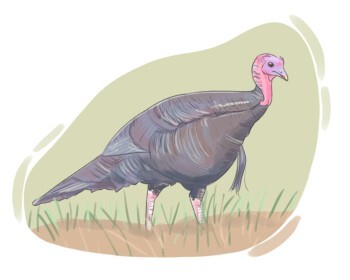
turkey
turkey
[Sustantivo]

a large bird that has a bald head and is often kept for its meat, especially in the US

pavo

pavo

Ex: Turkeys are social animals, often seen foraging and roosting together in large flocks. 

Los pavos son animales sociales, a menudo vistos buscando alimento y durmiendo juntos en grandes bandadas.

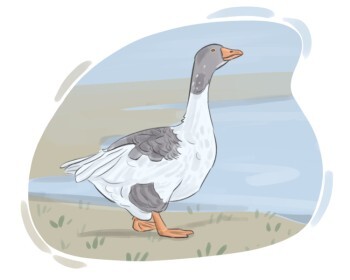
goose
goose
[Sustantivo]

a waterbird with webbed feet, a long neck, and short beak, which is like a large duck

ganso

ganso

Ex: Farmers raise domestic geese for their meat, eggs, and feathers, which are used in various culinary dishes and products. 

Los agricultores crían gansos domésticos por su carne, huevos y plumas, que se utilizan en varios platos culinarios y productos.
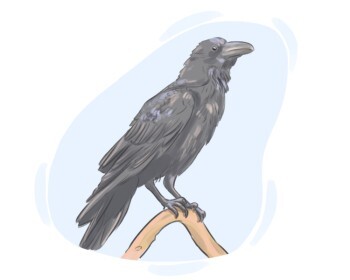
crow
crow
[Sustantivo]

a large bird with black feathers and a loud unpleasant call

cuervo

cuervo

Ex: Farmers sometimes use scarecrows to deter crows from damaging their crops, although crows can quickly learn to ignore them. 

Los agricultores a veces usan espantapájaros para disuadir a los cuervos de dañar sus cultivos, aunque los cuervos pueden aprender rápidamente a ignorarlos.
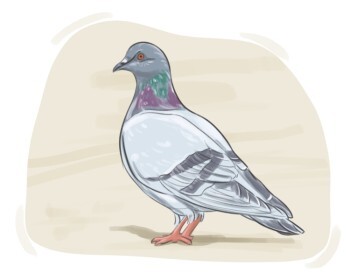
pigeon
pigeon
[Sustantivo]

a bird with short legs and a short beak which typically has gray and white feathers

paloma

paloma

Ex: Pigeons gather in large flocks in city squares and parks, where they forage for food and roost in trees and on buildings. 

Las palomas se reúnen en grandes bandadas en las plazas y parques de la ciudad, donde buscan alimento y se posan en los árboles y edificios.
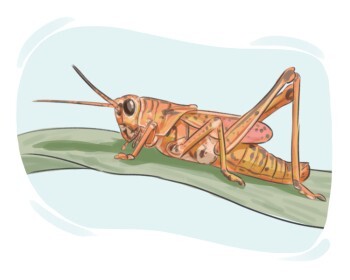
cricket
cricket
[Sustantivo]

an insect known for its chirping sound, found in grassy areas, mostly active at night

grillo
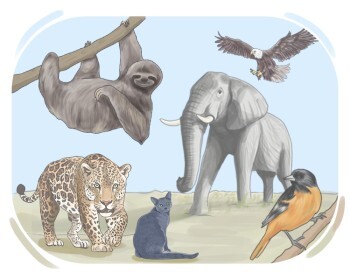
grillo

Ex: Crickets are nocturnal insects, emerging at night to feed on plant matter and mate. 

Los grillos son insectos nocturnos, que salen por la noche para alimentarse de materia vegetal y aparearse.

creature
creature
[Sustantivo]

any living thing that is able to move on its own, such as an animal, fish, etc.

criatura
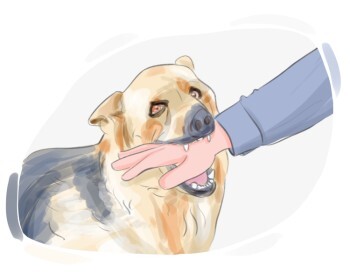
criatura

Ex: Conservationists work tirelessly to protect endangered creatures like the black rhinoceros and the Bengal tiger from extinction. 

Los conservacionistas trabajan incansablemente para proteger a las criaturas en peligro de extinción como el rinoceronte negro y el tigre de Bengala.

to bite
to bite
[Verbo]

to cut into flesh, food, etc. using the teeth

morder
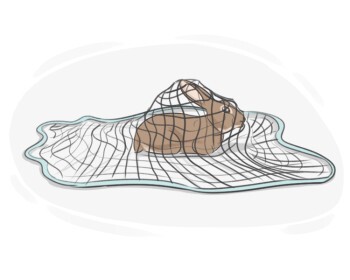
morder

Ex: To catch its prey, the predator would often bite with precision. 

Para atrapar a su presa, el depredador a menudo muerde con precisión.

trap
trap
[Sustantivo]

an object that can be used to catch an animal

trampa
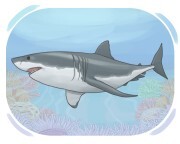
trampa

Ex: They placed a trap to catch the stray cat. 

Colocaron una trampa para atrapar al gato callejero.

bull shark
bull shark
[Sustantivo]

an aggressive type of shark that lives in warm and shallow waters near coastlines

tiburón toro, tiburón sarda

tiburón toro, tiburón sarda

Ex: Bull sharks are opportunistic feeders, preying on a variety of marine creatures including fish, turtles, and even other sharks. 

Los tiburones toro son alimentadores oportunistas, depredando una variedad de criaturas marinas, incluyendo peces, tortugas e incluso otros tiburones.
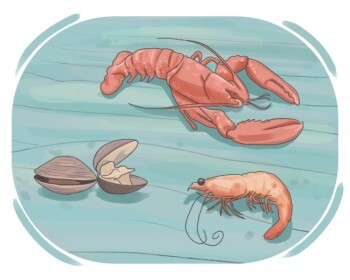
shellfish
shellfish
[Sustantivo]

a type of sea creature with a shell, such as clams, oysters, mussels, shrimp, lobster, etc.

marisco

marisco

Ex: The aquarium exhibit showcased various species of shellfish, including colorful hermit crabs and vibrant sea snails. 

La exhibición del acuario mostró varias especies de mariscos, incluyendo cangrejos ermitaños coloridos y caracoles de mar vibrantes.

LanGeek
Descargar la aplicación LanGeek