
El libro Solutions - Pre-intermedio - Unidad 1 - 1H
Aquí encontrarás el vocabulario de la Unidad 1 - 1H en el libro de curso Solutions Pre-Intermediate, como "confesar", "infantil", "predecible", etc.
Revisión
Tarjetas de memoria
formas
Ortografía
Cuestionario

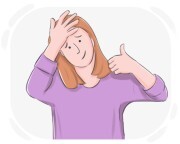
to confess and take responsibility for one's mistakes

confesar, admitir
Los padres aprecian cuando los niños están dispuestos a admitir sus acciones, fomentando la confianza.
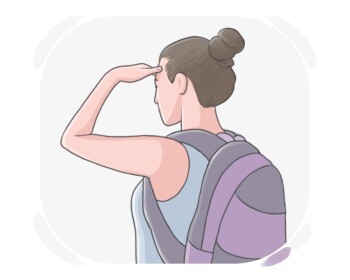
to turn our eyes toward a person or thing that we want to see
mirar
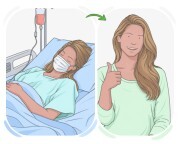
to recover from an unpleasant or unhappy experience, particularly an illness
recuperarse de una enfermedad o experiencia desagradable, volver a estar bien después de una enfermedad o disgusto
Las sesiones de terapia la ayudaron a superar el trauma del accidente.
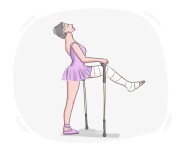
to choose to continue an ongoing activity
continuar una actividad, reanudar después de una pausa
El equipo eligió seguir practicando a pesar del cansancio.
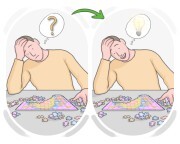
to get information about something after actively trying to do so
averiguar, obtener información investigando
Vamos a averiguar los resultados de la prueba después de que sea calificada.

to return to a previous state or condition, often after a period of decline or loss
volver
El paciente tuvo una recuperación notable y volvió a gozar de plena salud.
to regain complete health after a period of sickness or injury
recuperarse
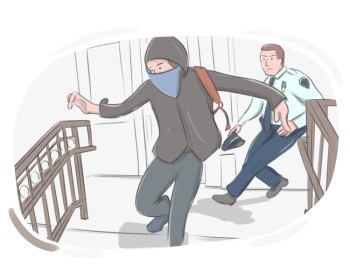
to escape from someone or somewhere
escapar de alguien o de algún lugar, lograr escapar y alejarse
El espía necesitaba escapar de los agentes enemigos que lo perseguían.
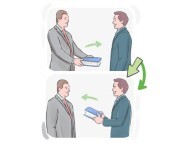
to return something that was previously received from a specific person or thing, such as money
devolver, restituir
Ella prometió devolver el dinero que le pidió prestado a su amigo.

to have a great deal of respect, admiration, or esteem for someone
admirar, tener respeto por
Él admira a su mentor para obtener orientación en su carrera.
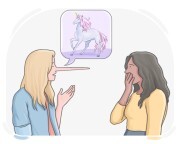
to create a false or fictional story or information
inventar, fabricar
El político inventó excusas para evitar responder a las preguntas del reportero.
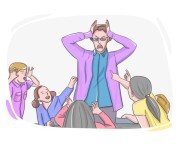
to tolerate something or someone unpleasant, often without complaining
aguantar, soportar
Los amigos soportan las peculiaridades y diferencias de los demás para mantener relaciones sólidas.

to be the first person who finds something or someplace that others did not know about
descubrir
to analyze someone or something in detail
examinar
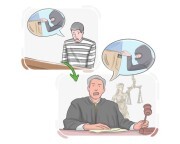
to admit that one has committed a crime or done something wrong
confesar
to follow someone or something in an attempt to catch them
perseguir, correr tras
Siempre está ansioso por perseguir sus sueños de convertirse en un músico exitoso.
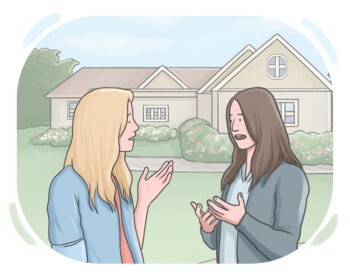
to tell someone about the feelings or ideas that we have
hablar
to playfully deceive or fool someone

to move something or someone from one place or position to another
poner
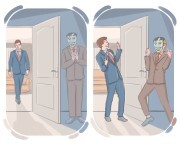
to suddenly make a person or animal to feel afraid
asustar
La escena de la película de terror me asustó tanto que no pude dormir durante días.
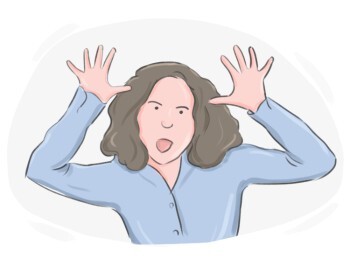
behaving in a way that is immature or typical of a child
infantil, pueril
Hacer muecas al profesor a sus espaldas era una forma infantil de expresar descontento con la lección.
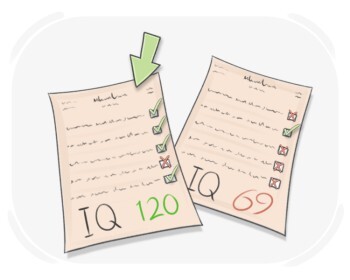
able to learn, understand, think, or solve problems quickly
inteligente
having a desire to physically or mentally harm someone
cruel
thoroughly and precisely, with close attention to detail or correctness
detenidamente, con cuidado
El informe fue cuidadosamente preparado y citado.
able to make people laugh
gracioso
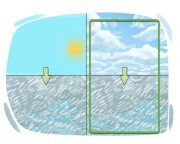
easily anticipated or expected to happen based on past experiences or knowledge
previsible
Las ganancias de la empresa eran predecibles, ya que seguían un patrón de crecimiento constante a lo largo de los años.
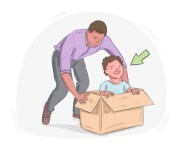
feeling entertained or finding something funny or enjoyable
divertido
La reacción divertida de la multitud indicaba su disfrute del acto del artista callejero.
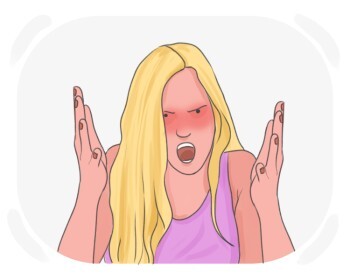
feeling very annoyed because of something that we do not like
enojado, enfadado
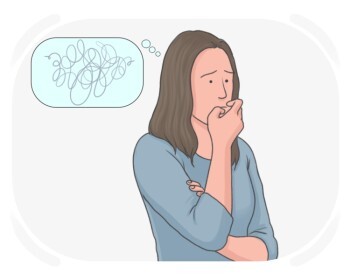
(of a person) feeling worried because of thinking something unpleasant might happen
ansioso
Estaban ansiosos por su situación financiera, inseguros sobre cómo pagarían sus facturas.
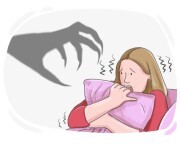
feeling afraid, often suddenly, due to danger, threat, or shock
asustado
La expresión asustada en su rostro reveló su miedo a las alturas.
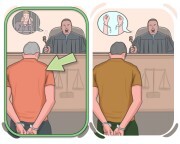
responsible for an illegal act or wrongdoing
culpable
Aunque era culpable del delito, mostró remordimiento y buscó redención.
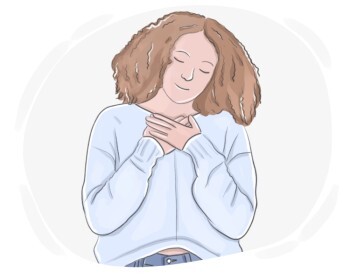
feeling happy and satisfied with something that has happened or with someone's actions
contento, feliz
Estoy contento de que hayas aceptado nuestra invitación.
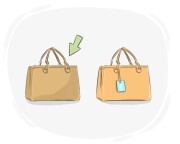
designed to resemble the real thing but lacking authenticity
falso, de imitación.
Le dieron un trofeo falso por su desempeño en la competencia.

a room containing a toilet and sink, especially one in a public building or home
baño
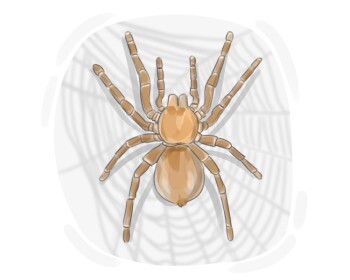
a small creature that spins webs to catch insects for food, with eight legs and two fangs by which poison is injected to its prey
araña
Sarah leyó un libro sobre los diferentes tipos de arañas que se encuentran en todo el mundo.
