
Książka Solutions - Średnio zaawansowany niższy - Jednostka 1 - 1H
Tutaj znajdziesz słownictwo z Unit 1 - 1H w podręczniku Solutions Pre-Intermediate, takie jak "przyznać się", "dziecinny", "przewidywalny" itp.
Przegląd
Fiszki
formy
Pisownia
Test
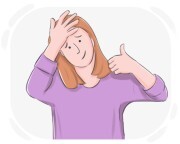
to confess and take responsibility for one's mistakes

przyznać się, wziąć odpowiedzialność
Odwagi wymaga przyznanie się do błędów i uczenie się na nich.
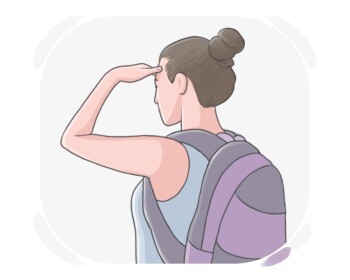
to turn our eyes toward a person or thing that we want to see
patrzeć, widzieć
Spójrz uważnie na obraz i spróbuj rozpoznać styl artysty.
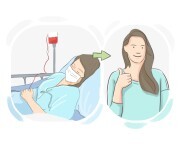
to recover from an unpleasant or unhappy experience, particularly an illness
wyzdrowieć, pokonać
Po rozstaniu zajęło mu dużo czasu, aby przejść przez ból.
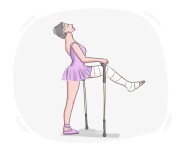
to choose to continue an ongoing activity
kontynuować, nadal
Grupa zdecydowała się kontynuować warsztaty pomimo trudności technicznych.
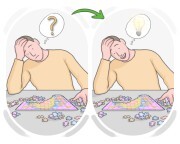
to get information about something after actively trying to do so
dowiedzieć się, odkryć
Musimy dowiedzieć się prawdy o tej sytuacji.

to return to a previous state or condition, often after a period of decline or loss
wrócić, powrócić
Wrócił do projektu po tym, jak wziął trochę czasu na skupienie się na innych rzeczach.
to regain complete health after a period of sickness or injury
wyzdrowieć, odzyskać zdrowie
W zeszłym miesiącu szybko wyzdrowiała z choroby.
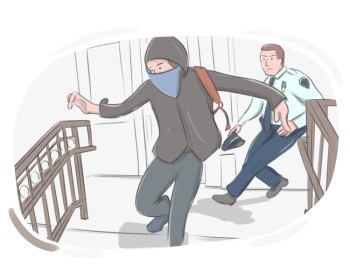
to escape from someone or somewhere
uciec, wymknąć się
Podczas próby pożarowej wszyscy ćwiczyli, jak szybko i bezpiecznie oddalić się od budynku.
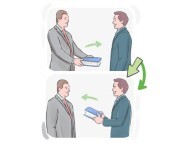
to return something that was previously received from a specific person or thing, such as money
oddawać, zwracać
Proszę oddaj mi moją kurtkę, kiedy skończysz.

to have a great deal of respect, admiration, or esteem for someone
podziwiać, szanować
To inspirujące widzieć kogoś, kogo tak wielu ludzi podziwia.
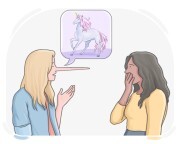
to create a false or fictional story or information
wymyślać, zmyślać
Oszust wymyślił fałszywą tożsamość, aby oszukać ludzi.
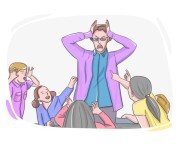
to tolerate something or someone unpleasant, often without complaining
znosić, tolerować
Mieszkańcy znoszą hałas życia miejskiego dla wygód, które oferuje.

to be the first person who finds something or someplace that others did not know about
odkrywać, badać
Odkrywcy odkryli wcześniej nieznaną wyspę podczas żeglugi po rozległym oceanie.
to analyze someone or something in detail
badać, analizować
Historyk zbadał stare dokumenty, aby zweryfikować ich autentyczność.
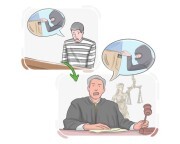
to admit, especially to the police or legal authorities, that one has committed a crime or has done something wrong
przyznawać się, wyznawać
W zeszłym tygodniu oskarżony niespodziewanie przyznał się do zarzutów w sądzie.
to follow someone or something in an attempt to catch them
biec za, gonić
Zdecydowaliśmy się gonić złodzieja, który porwał torebkę.
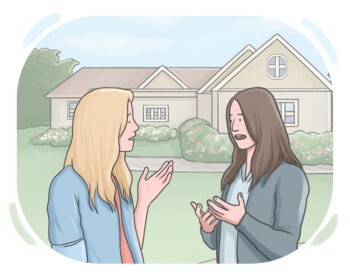
to tell someone about the feelings or ideas that we have
mówić, rozmawiać
Rozmawiali o swoich marzeniach i aspiracjach na przyszłość.
to playfully deceive or fool someone

to move something or someone from one place or position to another
kłaść, umieszczać
Wkładamy nasze ręce przez płot, aby pogłaskać zwierzęta.
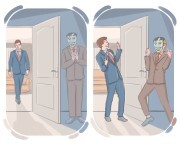
to suddenly make a person or animal to feel afraid
przestraszyć, wystraszyć
Niespodziewane pojawienie się węża przestraszyło wędrowców na szlaku.
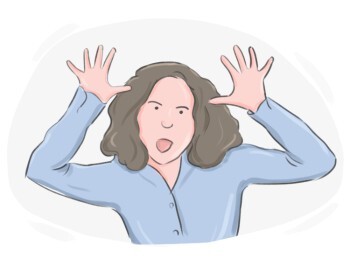
behaving in a way that is immature or typical of a child
dziecinny, infantylny
Jego odmowa dzielenia się zabawkami z młodszym rodzeństwem została uznana za samolubną i dziecinną.
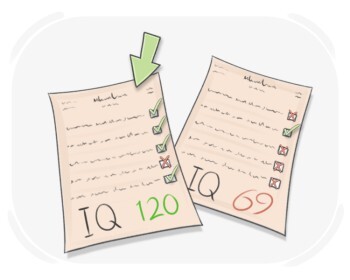
able to think quickly and find solutions to problems
mądry, sprytny
Sprytny student zdał egzamin, stosując sprytne mnemotechniki i techniki nauki.
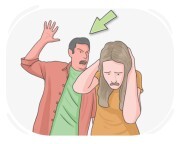
having a desire to physically or mentally harm someone
okrutny, bezlitosny
Nie mogła uwierzyć w okrutną zdradę swojej siostry, która ujawniła jej sekrety wszystkim.
thoroughly and precisely, with close attention to detail or correctness
ostrożnie, starannie
Starannie obejrzeli każdy przedmiot w pudełku.
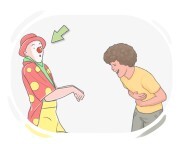
able to make people laugh
zabawny, śmieszny
Ona uważa to za zabawne, że jej pies boi się kotów.
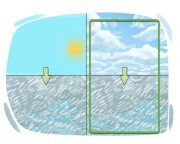
easily anticipated or expected to happen based on past experiences or knowledge
przewidywalny, dający się przewidzieć
Występ zespołu był przewidywalny, biorąc pod uwagę ich konsekwentny reżim treningowy i dyscyplinę.
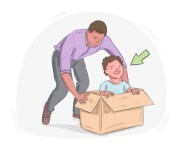
feeling entertained or finding something funny or enjoyable
rozbawiony, zadowolony
Zabawione chichoty publiczności wypełniły teatr podczas pokazu komediowego.
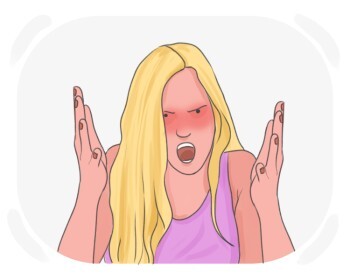
feeling very annoyed because of something that we do not like
zły,wściekły, feeling very bad because of something
Byli źli z powodu opóźnienia swojego lotu.
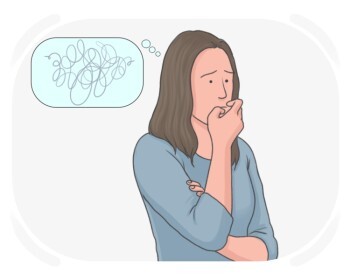
(of a person) feeling worried because of thinking something unpleasant might happen
niespokojny, zaniepokojony
Była zaniepokojona o zdrowie swojej ukochanej osoby, czekając na powrót wyników badań.
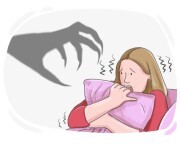
feeling afraid, often suddenly, due to danger, threat, or shock
przestraszony, przerażony
Poczuła się przestraszona, gdy usłyszała dziwne dźwięki za oknem.
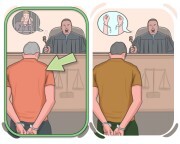
responsible for an illegal act or wrongdoing
winny, odpowiedzialny
Przyznała, że jest winna wykroczenia.
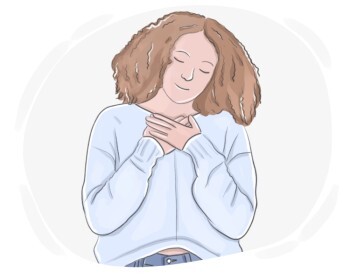
feeling happy and satisfied with something that has happened or with someone's actions
zadowolony, uszczęśliwiony
Był zadowolony z ciepłego przyjęcia, które otrzymał.
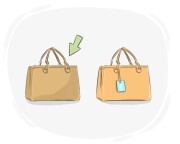
designed to resemble the real thing but lacking authenticity
podrobiony, fałszywy
Podrobiona antyczna waza została starannie wykonana, aby przypominała autentyczne artefakty z dynastii Ming.
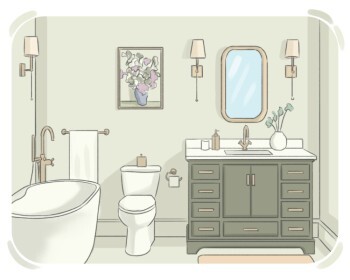
a room that has a toilet and a sink, and often times a bathtub or a shower as well
łazienka, toaleta
Zorganizowali butelki z szamponem i mydłem w koszu na prysznic w łazience.
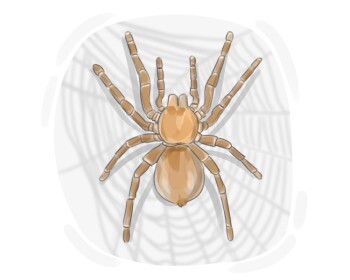
a small creature that spins webs to catch insects for food, with eight legs and two fangs by which poison is injected to its prey
pająk, pajęczak
Dzieci z ciekawością obserwowały, jak pająk wspina się po ścianie.
