pattern

El libro Four Corners 2 - Unidad 5 Lección A

Aquí encontrarás el vocabulario de la Unidad 5 Lección A del libro de curso Four Corners 2, como "estirar", "tobillo", "profundamente", etc.

Revisión

Tarjetas de memoria

formas

Ortografía

Cuestionario

Empezar a aprender
Four Corners 2
health
health
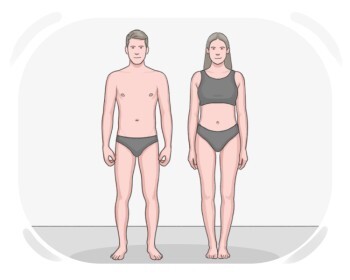
[Sustantivo]

the general condition of a person's mind or body

salud
salud

Ex: Mental health is just as important as physical health and should be prioritized in our daily lives. 

La salud mental es tan importante como la salud física y debe ser priorizada en nuestra vida diaria.

body
body
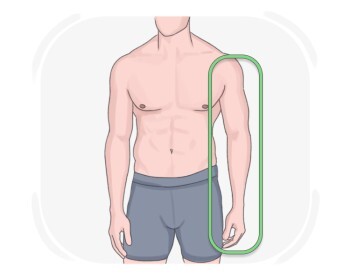
[Sustantivo]

our or an animal's hands, legs, head, and every other part together

cuerpo
cuerpo

Ex: The body's immune system protects against harmful bacteria and viruses. 

El sistema inmunológico del cuerpo protege contra bacterias y virus dañinos.

arm
arm
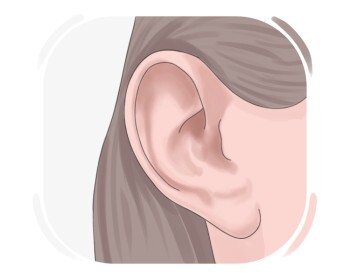
[Sustantivo]

one of the two body parts that is connected to the shoulder and ends with fingers

brazo
brazo

Ex: She carries the heavy grocery bags with one arm. 

Ella lleva las pesadas bolsas de la compra con un solo brazo.

ear
ear
[Sustantivo]

each of the two body parts that we use for hearing

oreja
oreja

Ex: She got her ears pierced at the age of ten. 

Se perforó las orejas a la edad de diez años.

eye
eye
[Sustantivo]

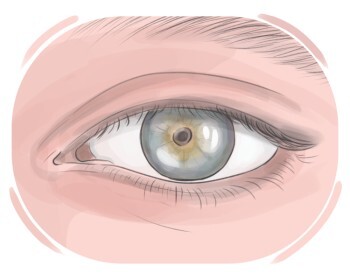
a body part on our face that we use for seeing

ojo
ojo

Ex: He had long, curly eyelashes that framed his eyes. 

Tenía pestañas largas y rizadas que enmarcaban sus ojos.

finger
finger
[Sustantivo]

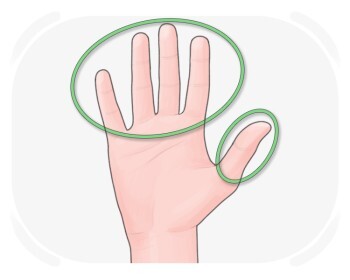
each of the long thin parts that are connected to our hands, sometimes the thumb is not included

dedo
dedo

Ex: I used my finger to point at the map and show them the location. 

Usé mi dedo para señalar en el mapa y mostrarles la ubicación.

foot
foot
[Sustantivo]

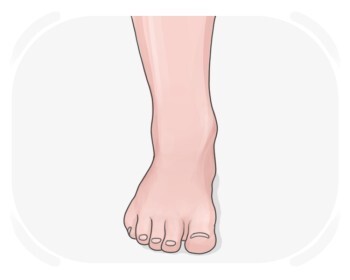
the body part that is at the end of our leg and we stand and walk on

pie
pie

Ex: She kicked the soccer ball with her foot. 

Ella pateó el balón de fútbol con su pie.

hand
hand
[Sustantivo]

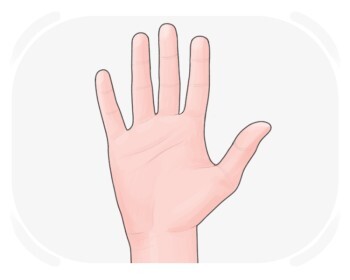
the part of our body that is at the end of our arm and we use to grab, move, or feel things

mano
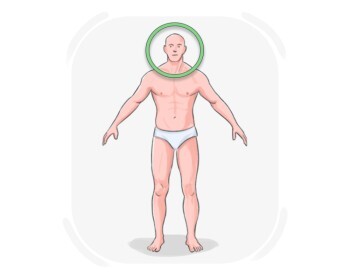
mano

Ex: I use my hand to write and draw. 

Uso mi mano para escribir y dibujar.

head
head
[Sustantivo]

the top part of body, where brain and face are located

cabeza
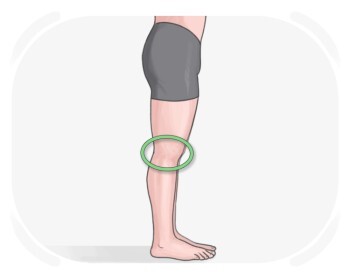
cabeza

Ex: A scarf was wrapped around her head to keep her warm. 

Una bufanda estaba envuelta alrededor de su cabeza para mantenerla caliente.

knee
knee
[Sustantivo]

the body part that is in the middle of the leg and helps it bend

rodilla
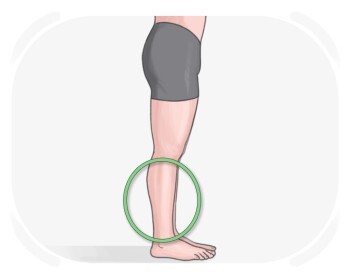
rodilla

Ex: He had a small tattoo on the back of his knee. 

Tenía un pequeño tatuaje en la parte posterior de la rodilla.

leg
leg
[Sustantivo]

each of the two long body parts that we use when we walk

pierna
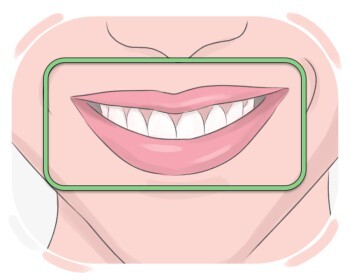
pierna

Ex: I massaged my leg to relieve muscle tension. 

Me masajeé la pierna para aliviar la tensión muscular.

mouth
mouth
[Sustantivo]

our body part that we use for eating, speaking, and breathing

boca
boca

Ex: He tasted the delicious cake, savoring the flavors in his mouth. 

Probó el delicioso pastel, saboreando los sabores en su boca.

neck
neck
[Sustantivo]

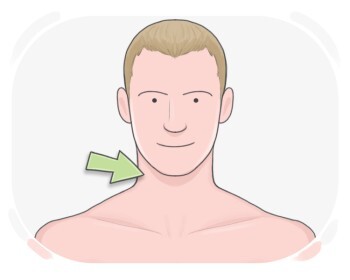
the body part that is connecting the head to the shoulders

cuello
cuello

Ex: She felt a sharp pain in her neck when she turned it suddenly. 

Sintió un dolor agudo en el cuello cuando lo giró repentinamente.

nose
nose
[Sustantivo]

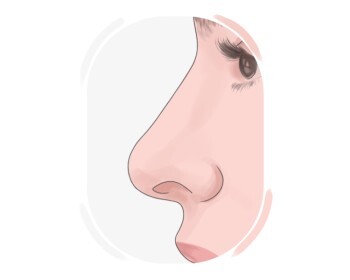
the body part that is in the middle of our face and we use to smell and breathe

nariz
nariz

Ex: She wore a mask that covered her mouth and nose in crowded places. 

Ella usaba una máscara que cubría su boca y su nariz en lugares concurridos.

shoulder
shoulder
[Sustantivo]

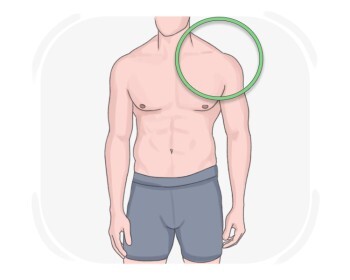
each of the two parts of the body between the top of the arms and the neck

hombro
hombro

Ex: The tailor adjusted the suit jacket to ensure it fit perfectly across the shoulders. 

El sastre ajustó la chaqueta del traje para asegurarse de que quedaba perfectamente en los hombros.

stomach
stomach
[Sustantivo]

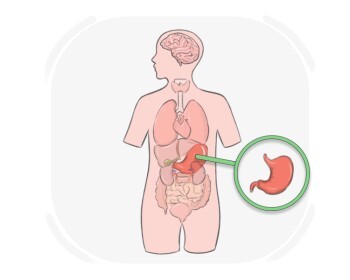
the body part inside our body where the food that we eat goes

estómago
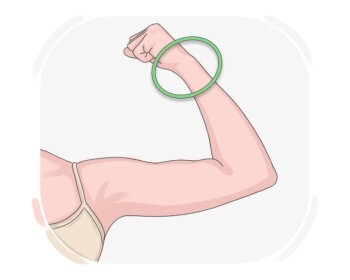
estómago

Ex: She drank a glass of warm water to calm her upset stomach. 

Ella bebió un vaso de agua tibia para calmar su estómago revuelto.

wrist
wrist
[Sustantivo]

the joint connecting the hand to the arm

muñeca

muñeca

Ex: The doctor checked the patient's pulse by feeling their wrist. 

El médico revisó el pulso del paciente sintiendo su muñeca.

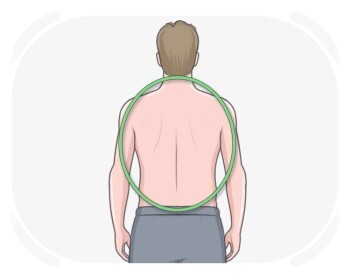
back
back
[Sustantivo]

the part of our body between our neck and our legs that we cannot see

espalda
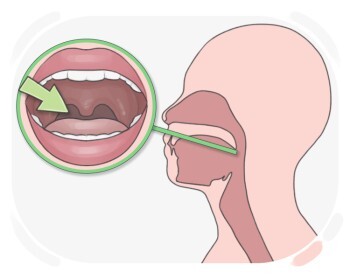
espalda

Ex: She carried her baby on her back using a baby carrier. 

Ella llevaba a su bebé en su espalda usando un portabebés.

throat
throat
[Sustantivo]

a passage in the neck through which food and air pass

garganta
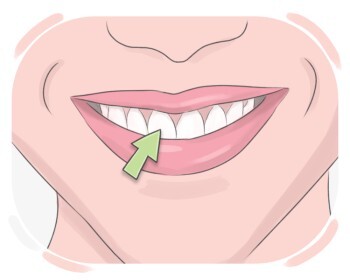
garganta

Ex: The baby giggled, producing adorable gurgling sounds from her throat. 

El bebé se rió, produciendo adorables sonidos de gorgoteo desde su garganta.

tooth
tooth
[Sustantivo]

one of the things in our mouth that are hard and white and we use to chew and bite food with

diente
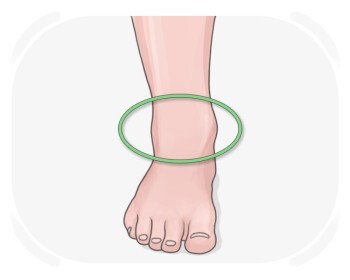
diente

Ex: As he bit into the juicy watermelon, he felt the cold juice run down his chin and onto his front tooth. 

Mientras mordía la jugosa sandía, sintió el jugo frío correr por su barbilla y hacia su diente delantero.

ankle
ankle
[Sustantivo]

the joint that connects the foot to the leg

tobillo

tobillo

Ex: He wore a brace to support his injured ankle. 

Usó un aparato ortopédico para apoyar su tobillo lesionado.

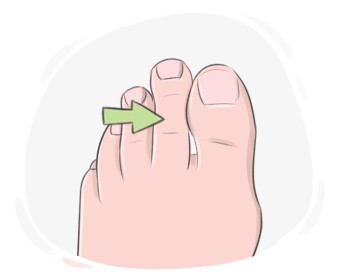
toe
toe
[Sustantivo]

each of the five parts sticking out from the foot

dedo del pie

dedo del pie

Ex: She painted her toenails a vibrant shade of red for the beach vacation. 

Ella pintó sus dedos del pie de un vibrante tono rojo para las vacaciones en la playa.

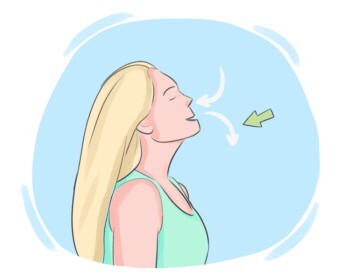
breath
breath
[Sustantivo]

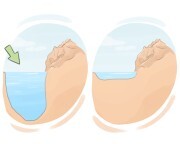
the air taken into or sent out from the lungs

respiro
respiro

Ex: In meditation, he focused on his breath to find inner peace. 

En la meditación, se concentró en su respiración para encontrar paz interior.

deep
deep
[Adjetivo]

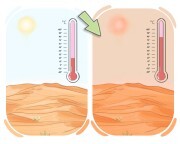
having a great distance from the surface to the bottom

profundo
profundo

Ex: The hole they dug in the garden was deep enough to plant the tree securely. 

El agujero que cavaron en el jardín era lo suficientemente profundo para plantar el árbol de forma segura.

deeply
deeply
[Adverbio]

used to express strong emotions, concerns, or intensity of feeling

profundamente

profundamente

Ex: He felt deeply ashamed of his actions. 

Se sintió profundamente avergonzado de sus acciones.
careful
careful
[Adjetivo]

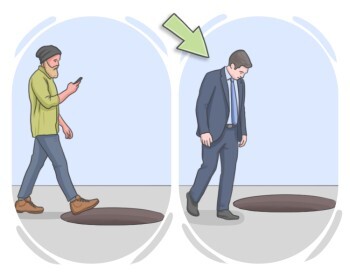
giving attention or thought to what we are doing to avoid doing something wrong, hurting ourselves, or damaging something

cuidadoso

cuidadoso

Ex: She was careful not to wake the sleeping baby. 

Ella tuvo cuidado de no despertar al bebé dormido.

carefully
carefully
[Adverbio]

thoroughly and precisely, with close attention to detail or correctness

detenidamente, con cuidado

detenidamente, con cuidado

Ex: The report was carefully prepared and cited. 

El informe fue cuidadosamente preparado y citado.
slow
slow
[Adjetivo]

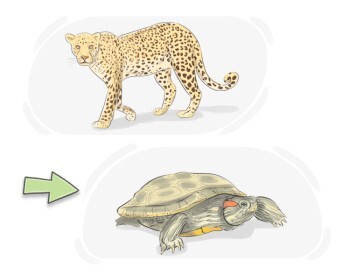
moving, happening, or being done at a speed that is low

lento
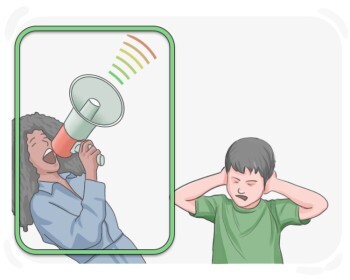
lento

Ex: The slow elevator took a long time to reach the desired floor. 

El ascensor lento tardó mucho tiempo en llegar al piso deseado.

noisy
noisy
[Adjetivo]

producing or having a lot of loud and unwanted sound

ruidoso

ruidoso

Ex: The party next door was noisy, with loud music and people talking. 

La fiesta de al lado estaba ruidosa, con música alta y gente hablando.
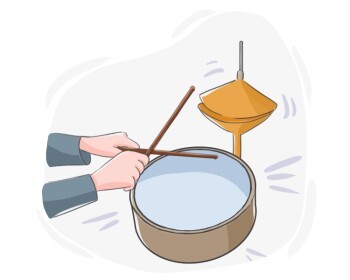
noisily
noisily
[Adverbio]

in a way that makes too much sound or disturbance

ruidosamente

ruidosamente

Ex: As the train passed by, it clattered noisily along the tracks, announcing its arrival. 

Mientras el tren pasaba, traqueteaba ruidosamente por las vías, anunciando su llegada.
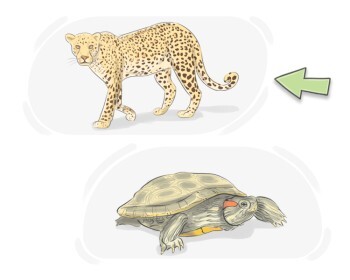
quick
quick
[Adjetivo]

taking a short time to move, happen, or be done

rápido
rápido

Ex: The runner sprinted with quick strides towards the finish line. 

El corredor esprintó con zancadas rápidas hacia la línea de meta.

quickly
quickly
[Adverbio]

with a lot of speed

rápidamente

rápidamente

Ex: She responded quickly to the urgent email. 

Ella respondió rápidamente al correo urgente.
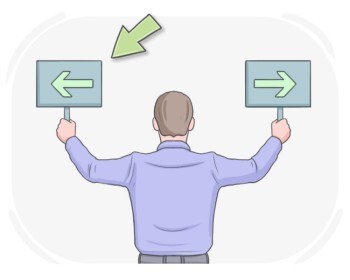
left
left
[Adjetivo]

located or directed toward the side of a human body where the heart is

izquierdo
izquierdo

Ex: In the portrait, the artist skillfully depicted the subject's expressive eyes, positioned on the left side. 

En el retrato, el artista representó hábilmente los ojos expresivos del sujeto, ubicados en el lado izquierdo.

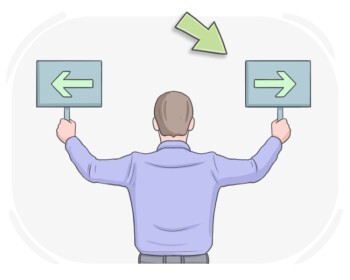
right
right
[Sustantivo]

the direction or side that is toward the east when someone or something is facing north

derecha
derecha

Ex: Turn to your right at the intersection. 

Gire a su derecha en la intersección.

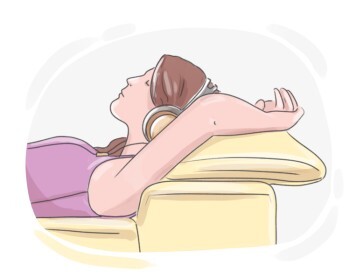
to relax
to relax
[Verbo]

to feel less worried or stressed

descansar
descansar

Ex: On Sundays, I usually relax and do nothing. 

Los domingos, generalmente me relajo y no hago nada.

to repeat
to repeat
[Verbo]

to complete an action more than one time

repetir
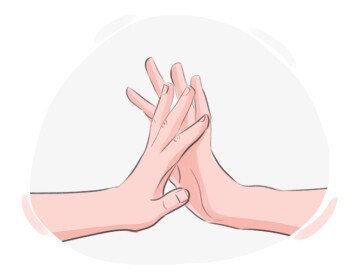
repetir

Ex: The musician repeated the chorus for emphasis during the performance. 

El músico repitió el coro para enfatizar durante la actuación.

to touch
to touch
[Verbo]

to put our hand or body part on a thing or person

tocar, rozar
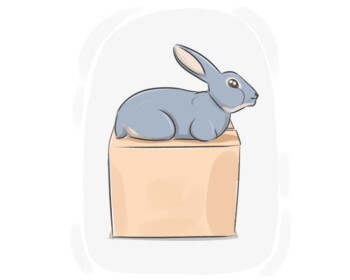
tocar, rozar

Ex: She gently touched the soft fur of the cat. 

Ella tocó suavemente el suave pelaje del gato.

over
over
[Preposición]

at a position above or higher than something

encima de

encima de

Ex: The moon rose over the mountains. 

La luna se elevó sobre las montañas.

to stretch
to stretch
[Verbo]

to extend one's body parts or one's entire body to full length

estirarse
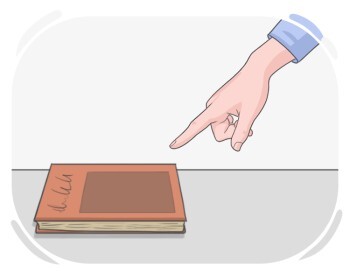
estirarse

Ex: Before starting the race, the sprinter takes a moment to stretch his muscles and warm up his body. 

Antes de comenzar la carrera, el velocista se toma un momento para estirar sus músculos y calentar su cuerpo.

to point
to point
[Verbo]

to show the place or direction of someone or something by holding out a finger or an object

indicar

indicar

Ex: She pointed to the location of the hidden treasure on the map. 

Ella señaló la ubicación del tesoro escondido en el mapa.

to hold
to hold
[Verbo]

to stay the same as before

permanecer

permanecer

Ex: Let's pray that the calm atmosphere holds throughout the evening. 

Oremos para que la atmósfera tranquila se mantenga durante toda la noche.

to lower
to lower
[Verbo]

to reduce something in degree, amount, quality, or strength

reducir

reducir

Ex: Following the diet plan helped her to lower her cholesterol levels significantly. 

Seguir el plan de dieta la ayudó a reducir significativamente sus niveles de colesterol.

to move
to move
[Verbo]

to change your position or location

mover

mover

Ex: The cat moved swiftly across the room. 

El gato se movió rápidamente por la habitación.

LanGeek
Descargar la aplicación LanGeek