pattern

El libro Four Corners 2 - Unidad 7 Lección D

Aquí encontrarás el vocabulario de la Unidad 7 Lección D del libro de curso Four Corners 2, como "popular", "ganga", "generalmente", etc.

Revisión

Tarjetas de memoria

formas

Ortografía

Cuestionario

Empezar a aprender
Four Corners 2
paradise
paradise
[Sustantivo]

a place or state of perfect happiness, peace, and delight

paraíso, edén

paraíso, edén

Ex: The villagers considered the valley to be their paradise. 

Los aldeanos consideraban el valle como su paraíso.
weekend
weekend
[Sustantivo]

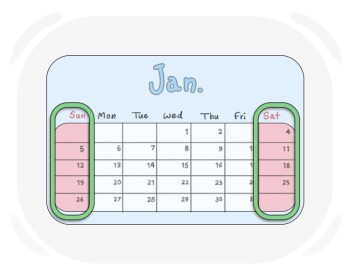
the days of the week, usually Saturday and Sunday, when people do not have to go to work or school

fin de semana, wikén

fin de semana, wikén

Ex: Weekends allow me to take a break from work and recharge for the next week. 
market
market
[Sustantivo]

a public place where people buy and sell groceries

mercado
mercado

Ex: She enjoyed browsing the stalls at the outdoor market, sampling cheeses and pastries. 
visitor
visitor
[Sustantivo]

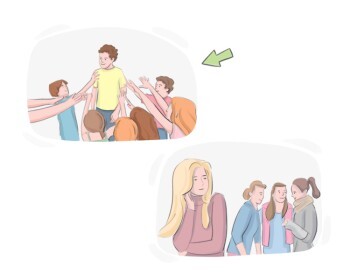
someone who enters a place, such as a building, city, or website, for a particular purpose

visitante, turista
visitante, turista

Ex: During the conference, attendees networked with industry professionals and exchanged ideas with fellow visitors. 
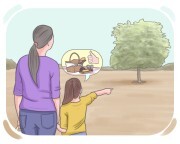
popular
popular
[Adjetivo]

receiving a lot of love and attention from many people

popular
popular

Ex: Tennis is a popular sport in many countries around the world. 
place
place
[Sustantivo]

the part of space where someone or something is or they should be

lugar, sitio

lugar, sitio

Ex: I'm looking for a quiet place to study. 
to find
to find
[Verbo]

to randomly discover someone or something, particularly in a way that is surprising or unexpected

encontrar

encontrar

Ex: Look what I've found under the couch! 
plant
plant
[Sustantivo]

a living thing that grows in ground or water, usually has leaves, stems, flowers, etc.

planta

planta

Ex: The orchid is a beautiful tropical plant. 
to bargain
to bargain
[Verbo]

to discuss the terms or price of an agreement in order to obtain more favorable conditions

regatear

regatear

Ex: Customers are expected to bargain at some local markets. 
price
price
[Sustantivo]

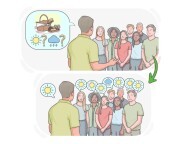
the amount of money required for buying something

precio
precio

Ex: She negotiated the price of the antique vase. 
generally
generally
[Adverbio]

in a way that is true in most cases

generalmente

generalmente

Ex: She's generally punctual, though today she's late. 

Ella es generalmente puntual, aunque hoy está tarde.
low
low
[Adjetivo]

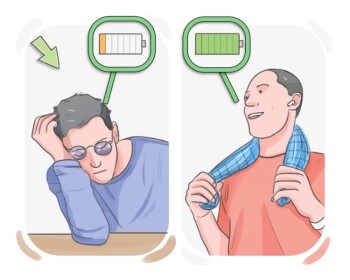
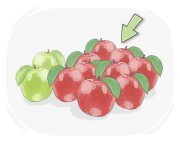
small or below average in degree, value, level, or amount

bajo
bajo

Ex: Their energy levels were low after the hike. 
most
most
[Determinante]

used to refer to the largest number or amount

la mayoría de

la mayoría de

Ex: Most students find this topic challenging. 

La mayoría de los estudiantes encuentran este tema desafiante.
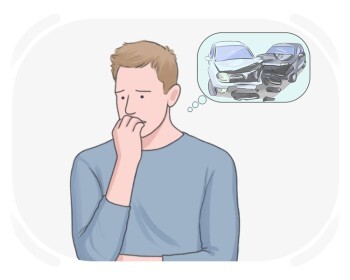
to worry
to worry
[Verbo]

to feel upset and nervous because we think about bad things that might happen to us or our problems

preocuparse
preocuparse

Ex: He couldn't help but worry about the uncertain future. 
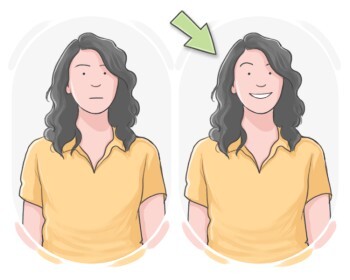
smile
smile
[Sustantivo]

an expression in which our mouth curves upwards, when we are being friendly or are happy or amused

sonrisa

sonrisa

Ex: Her smile brightened up the room, spreading joy to everyone around. 
enough
enough
[Adverbio]

to a degree or extent that is sufficient or necessary

lo suficiente, bastante

lo suficiente, bastante

Ex: I hope you have eaten enough for lunch. 
cash
cash
[Sustantivo]

money in bills or coins, rather than checks, credit, etc.

efectivo
efectivo

Ex: She paid for the groceries in cash. 
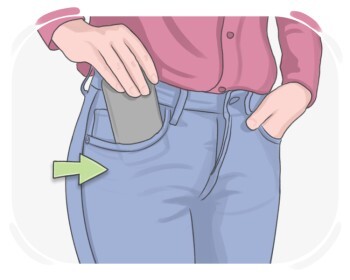
pocket
pocket
[Sustantivo]

a type of small bag in or on clothing, used for carrying small things such as money, keys, etc.

bolsillo, bolsa
bolsillo, bolsa

Ex: The dress has a hidden pocket on the side. 
vendor
vendor
[Sustantivo]

a person who sells goods, especially from a stall, cart, or other small place

vendedor
vendedor

Ex: The market is filled with vendors selling handmade crafts. 
credit card
credit card
[Sustantivo]

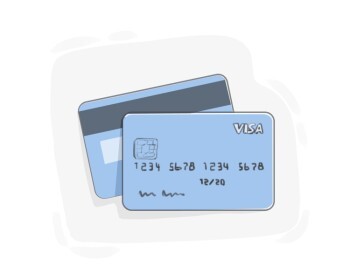
a plastic card, usually given to us by a bank, that we use to pay for goods and services

tarjeta de crédito

tarjeta de crédito

Ex: I use my credit card mostly for online purchases. 

Uso mi tarjeta de crédito principalmente para compras en línea.

huge
huge
[Adjetivo]

very large in size

enorme

enorme

Ex: She adopted a huge dog that was almost as big as she was. 

Ella adoptó un enorme perro que era casi tan grande como ella.

circle
circle
[Sustantivo]

a completely round, plain shape

círculo
círculo

Ex: The Earth is approximately a sphere, which is like a 3D circle. 
busy
busy
[Adjetivo]

having so many things to do in a way that leaves not much free time

ocupado

ocupado

Ex: In the bustling city, people are constantly busy with work, errands, and social commitments. 
to wear
to wear
[Verbo]

to have something such as clothes, shoes, etc. on your body

llevar
llevar

Ex: The students were instructed to wear their school uniforms every day. 
light
light
[Adjetivo]

(of color) having less intensity, often because of a small amount of pigment

claro

claro

Ex: The room was painted in light shades of pink and yellow. 
comfortable
comfortable
[Adjetivo]

physically feeling relaxed and not feeling pain, stress, fear, etc.

cómodo

cómodo

Ex: After a warm bath, he felt comfortable and ready for bed. 

Después de un baño caliente, se sintió cómodo y listo para dormir.

jeans
jeans
[Sustantivo]

pants made of denim, typically worn as casual clothing

vaqueros

vaqueros

Ex: I bought a new pair of jeans yesterday. 
bottle
bottle
[Sustantivo]

a glass or plastic container that has a narrow neck and is used for storing drinks or other liquids

botella
botella

Ex: She stored homemade sauce in a glass bottle. 
lunch
lunch
[Sustantivo]

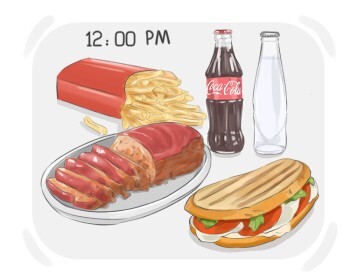
a meal we eat in the middle of the day

almuerzo

almuerzo

Ex: She packed a lunchbox with a turkey wrap, carrot sticks, and a yogurt cup for a balanced lunch. 
to try
to try
[Verbo]

to make an effort or attempt to do or have something

intentar

intentar

Ex: She tried to bake a cake but it didn't turn out well. 
famous
famous
[Adjetivo]

known by a lot of people

famoso, célebre

famoso, célebre

Ex: Tourists flock to the city to visit famous landmarks such as the Eiffel Tower. 

Los turistas acuden en masa a la ciudad para visitar monumentos famosos como la Torre Eiffel.
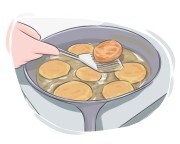
fried
fried
[Adjetivo]

cooked in very hot oil

frito, frita

frito, frita

Ex: The fried fish fillets were golden-brown and flaky, with a delicate flavor. 

Los filetes de pescado fritos estaban dorados y desmenuzables, con un sabor delicado.
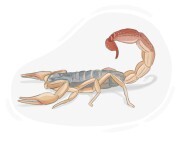
scorpion
scorpion
[Sustantivo]

a venomous arachnid with two pincers and a curved tail that inhabits hot countries

escorpión

escorpión

Ex: The scorpion curled its tail, preparing to strike. 

El escorpión enrolló su cola, preparándose para atacar.
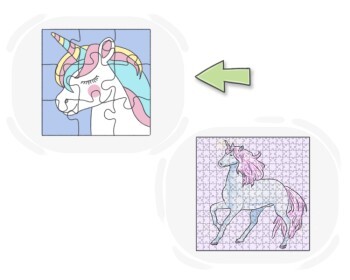
easy
easy
[Adjetivo]

needing little skill or effort to do or understand

fácil
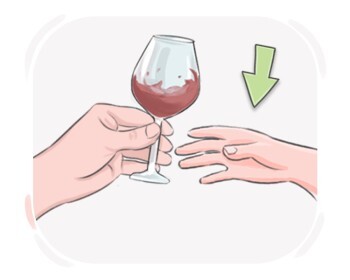
fácil

Ex: Finding the location was easy with the clear directions provided. 
to get
to get
[Verbo]

to receive or come to have something

conseguir, obtener
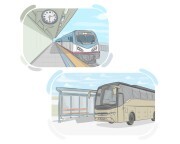
conseguir, obtener

Ex: They got an invitation to the exclusive event. 
station
station
[Sustantivo]

a place or building where we can get on or off a train or bus

estación
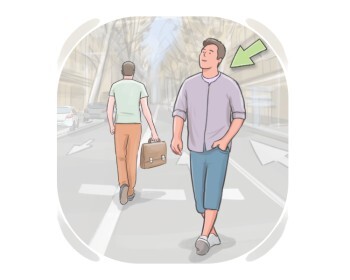
estación

Ex: The subway station is underground and has multiple entrances. 
to come
to come
[Verbo]

to move toward a location that the speaker considers to be close or relevant to them

venir
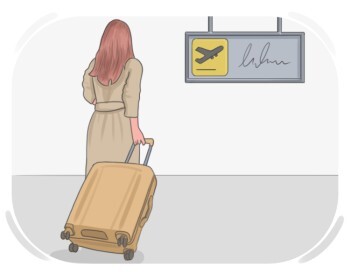
venir

Ex: Please come to the front of the classroom to present your project. 
to leave
to leave
[Verbo]

to go away from somewhere

dejar

dejar

Ex: The bus will leave in five minutes, so be quick! 
to purchase

to get goods or services in exchange for money or other forms of payment

comprar

comprar

Ex: The company decided to purchase new equipment to improve its manufacturing processes. 
LanGeek
Descargar la aplicación LanGeek