pattern

Four Corners 2 - Unit 7 Lesson D

Here you will find the vocabulary from Unit 7 Lesson D in the Four Corners 2 coursebook, such as "popular", "bargain", "generally", etc.

Review

Flashcards

Forms

Spelling

Quiz
Start learning
Four Corners 2
paradise
paradise
[noun]

a place or state of perfect happiness, peace, and delight
Ex: The island felt like paradise with its calm beaches and clear skies. 
Close
Sign in
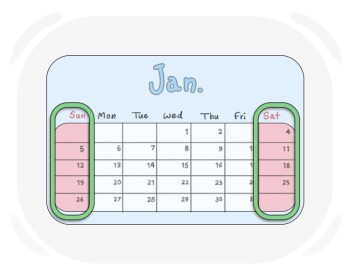
weekend
weekend
[noun]

the days of the week, usually Saturday and Sunday, when people do not have to go to work or school

Ex: I like to sleep in and have a late breakfast on the weekends. 
Close
Sign in
market
market
[noun]

a public place where people buy and sell groceries
Ex: He set up a stand at the market to sell homemade jams and preserves. 
Close
Sign in
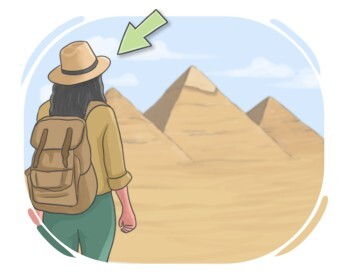
visitor
visitor
[noun]

someone who enters a place, such as a building, city, or website, for a particular purpose
Ex: The museum welcomed thousands of visitors during the holiday season. 
Close
Sign in
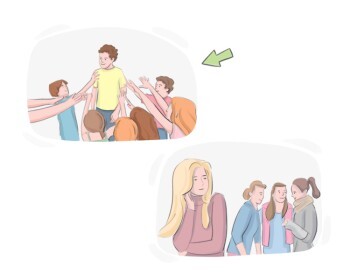
popular
popular
[Adjective]

receiving a lot of love and attention from many people
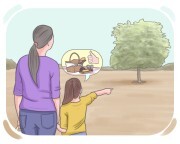
Ex: Harry Potter books are very popular among teenagers. 
Close
Sign in
place
place
[noun]

the part of space where someone or something is or they should be

Ex: I want to find a new place to eat dinner tonight. 
Close
Sign in
to find
to find
[Verb]

to randomly discover someone or something, particularly in a way that is surprising or unexpected
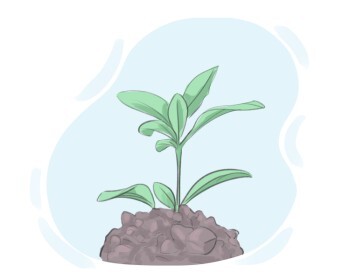
Ex: A hidden room was found in an old mansion during renovations. 
Close
Sign in
plant
plant
[noun]

a living thing that grows in ground or water, usually has leaves, stems, flowers, etc.
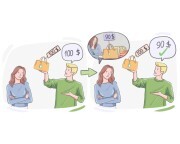
Ex: The gardener watered the plant every morning. 
Close
Sign in
to bargain

to negotiate the terms of a contract, sale, or similar arrangement for a better agreement, price, etc.

Ex: The customers decided to bargain with the vendor to get a better price for the antique furniture. 
Close
Sign in
price
price
[noun]

the amount of money required for buying something
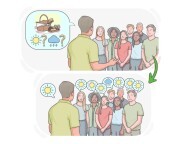
Ex: He checked the price of the flight online. 
Close
Sign in
generally
generally
[Adverb]

in a way that is true in most cases

Ex: The weather is generally mild in spring. 
Close
Sign in
low
low
[Adjective]

small or below average in degree, value, level, or amount
Ex: She was raising three kids on a low income. 
Close
Sign in
most
most
[determiner]

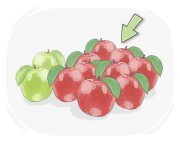
used to refer to the largest number or amount
Ex: He eats most vegetables, but he doesn't like broccoli. 
Close
Sign in
to worry
to worry
[Verb]

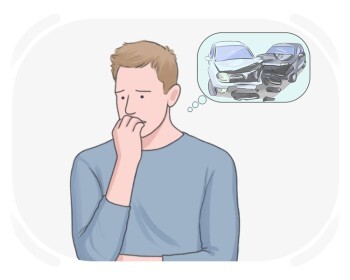
to feel upset and nervous because we think about bad things that might happen to us or our problems
Ex: She tends to worry about upcoming exams. 
Close
Sign in
smile
smile
[noun]

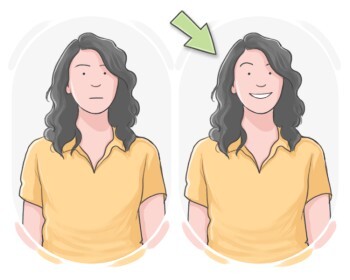
an expression in which our mouth curves upwards, when we are being friendly or are happy or amused
Ex: A simple smile can make a big difference in someone's day. 
Close
Sign in
enough
enough
[Adverb]

to a degree or extent that is sufficient or necessary
Ex: The team had trained hard and believed they were fit enough for the upcoming match. 
Close
Sign in
cash
cash
[noun]

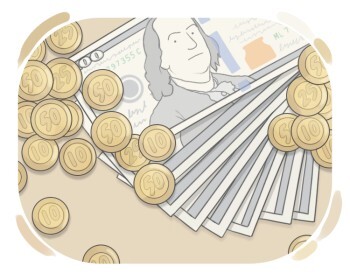
money in bills or coins, rather than checks, credit, etc.
Ex: He always keeps a little cash in his wallet for emergencies. 
Close
Sign in
pocket
pocket
[noun]

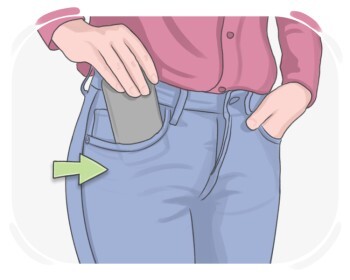
a type of small bag in or on clothing, used for carrying small things such as money, keys, etc.
Ex: He kept his keys in the pocket of his jeans. 
Close
Sign in
vendor
vendor
[noun]

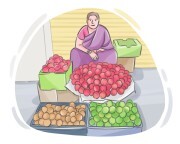
someone on the street who offers food, clothing, etc. for sale

Ex: The vendor offered fresh fruit and snacks on the corner. 
Close
Sign in
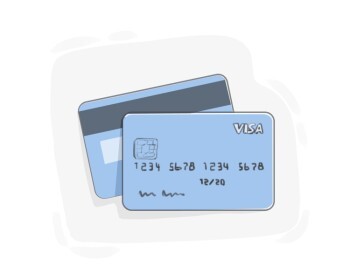
credit card

a plastic card, usually given to us by a bank, that we use to pay for goods and services

Ex: He applied for a new credit card with a lower interest rate. 
Close
Sign in
huge
huge
[Adjective]

very large in size

Ex: The huge skyscraper dominated the city skyline. 
Close
Sign in
circle
circle
[noun]

a completely round, plain shape

Ex: She used a compass to draw a small circle on the map. 
Close
Sign in
busy
busy
[Adjective]

having so many things to do in a way that leaves not much free time
Ex: As a student, Jenny is always busy with assignments, exams, and extracurricular activities. 
Close
Sign in
to wear
to wear
[Verb]

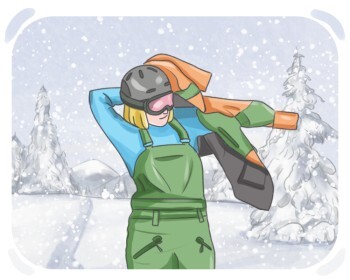
to have something such as clothes, shoes, etc. on your body
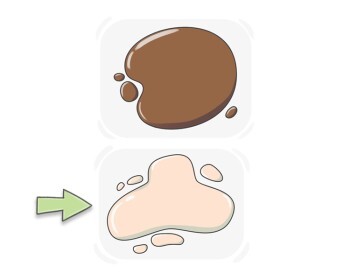
Ex: She decided to wear a beautiful dress to the party. 
Close
Sign in
light
light
[Adjective]

(of color) having less intensity, often because of a small amount of pigment

Ex: She prefers to wear light colors in the summer to stay cool. 
Close
Sign in
comfortable
comfortable
[Adjective]

physically feeling relaxed and not feeling pain, stress, fear, etc.
Ex: She felt comfortable in her pajamas and slippers at home. 
Close
Sign in
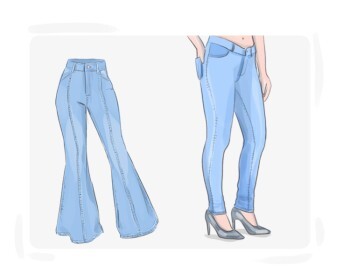
jeans
jeans
[noun]

pants made of denim, that is a type of strong cotton cloth, and is used for a casual style

Ex: He bought a new pair of jeans that fit him perfectly. 
Close
Sign in
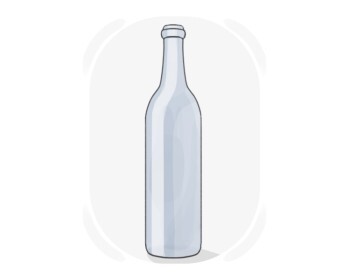
bottle
bottle
[noun]

a glass or plastic container that has a narrow neck and is used for storing drinks or other liquids
Ex: He used a spray bottle to mist the plants with water. 
Close
Sign in
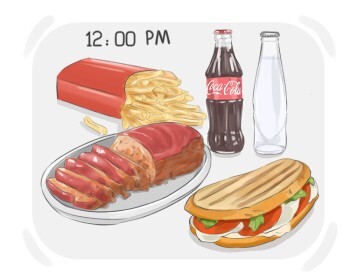
lunch
lunch
[noun]

a meal we eat in the middle of the day
Ex: I made a Greek salad with feta cheese and olives for a healthy and flavorful lunch. 
Close
Sign in
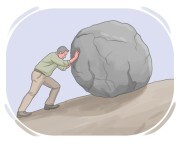
to try
to try
[Verb]

to make an effort or attempt to do or have something

Ex: He tried to lift the heavy box but it was too heavy. 
Close
Sign in
famous
famous
[Adjective]

known by a lot of people

Ex: The famous singer performed to a sold-out crowd at the arena. 
Close
Sign in
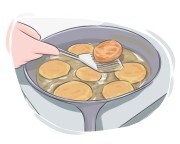
fried
fried
[Adjective]

cooked in very hot oil

Ex: The fried chicken was crispy on the outside and juicy on the inside. 
Close
Sign in
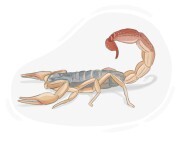
scorpion
scorpion
[noun]

a venomous arachnid with two pincers and a curved tail that inhabits hot countries
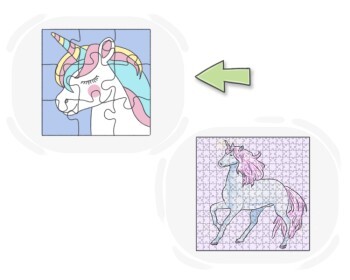
Ex: The scorpion's sting can be dangerous if not treated quickly. 
Close
Sign in
easy
easy
[Adjective]

needing little skill or effort to do or understand
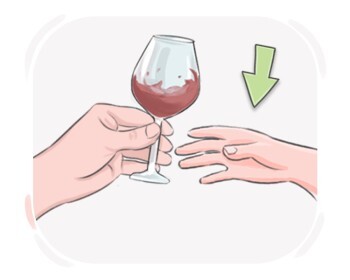
Ex: Cooking pasta is easy; you just boil water and add the noodles. 
Close
Sign in
to get
to get
[Verb]

to receive or come to have something

Ex: He got an unexpected bonus at work. 
Close
Sign in
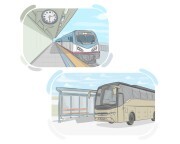
station
station
[noun]

a place or building where we can get on or off a train or bus
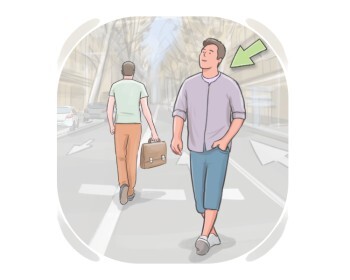
Ex: I arrived early at the station to make sure I didn't miss my train. 
Close
Sign in
to come
to come
[Verb]

to move toward a location that the speaker considers to be close or relevant to them
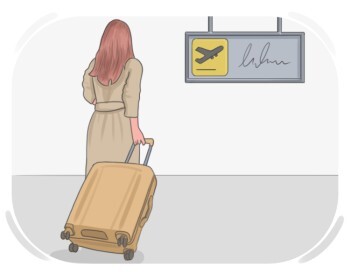
Ex: Can you come with me to the store? 
Close
Sign in
to leave
to leave
[Verb]

to go away from somewhere

Ex: She left her friends at the party without any goodbye. 
Close
Sign in
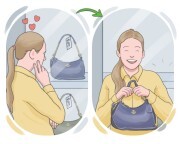
to purchase

to get goods or services in exchange for money or other forms of payment

Ex: Consumers often purchase goods and services to meet their needs and desires. 
Close
Sign in
LanGeek
Download LanGeek app