
El libro Four Corners 4 - Unidad 2 Lección D
Aquí encontrarás el vocabulario de la Unidad 2 Lección D del libro de curso Four Corners 4, como "sobrecarga", "horario", "primario", etc.
Revisión
Tarjetas de memoria
formas
Ortografía
Cuestionario

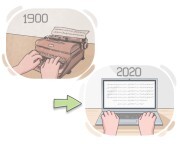
related to the most recent time or to the present time

moderno

the process or activity of exchanging information or expressing feelings, thoughts, or ideas by speaking, writing, etc.
comunicación

something that is caused by something else
resultado
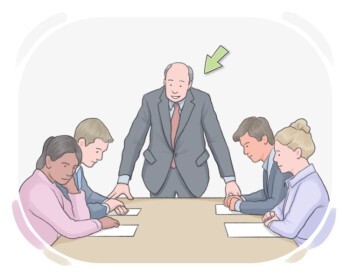
to be in charge of the work of a team, organization, department, etc.
dirigir

an excessive amount of something that exceeds normal limits or capacity
sobrecarga, exceso
Hubo una sobrecarga de solicitudes para el trabajo, lo que hizo que el proceso de selección fuera extremadamente competitivo.
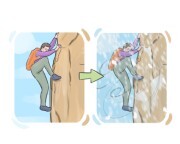
to continue doing something even though there are some hardships
seguir con
El músico se mantuvo en su rutina de práctica, dedicando horas cada día para perfeccionar sus habilidades.

a plan or timetable outlining the sequence of events or activities
horario

a chart or set of pages showing the days, weeks, and months of a year
calendario

to keep or save money, time, etc. for a specific purpose
reservar, guardar
La familia apartó una parte de sus ingresos para gastos de emergencia.
relating to feelings or emotions
emocional, sentimental
Ella expresó apoyo emocional para su amiga.
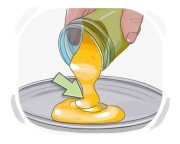
(usually plural) the things that are held, included, or contained within something
contenido
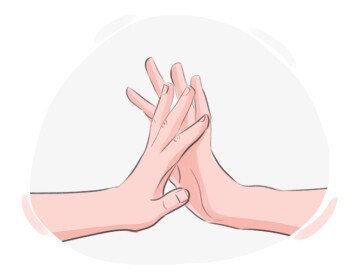
the ability to perceive textures or shapes through the hands
tacto
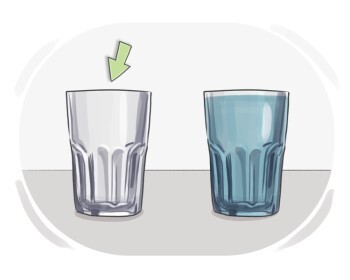
with no one or nothing inside
vacío
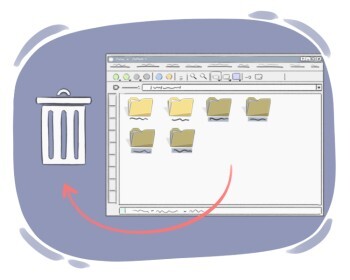
to remove a piece of data from a computer or smartphone
borrar
La aplicación permite a los usuarios eliminar los mensajes que ya no necesitan.
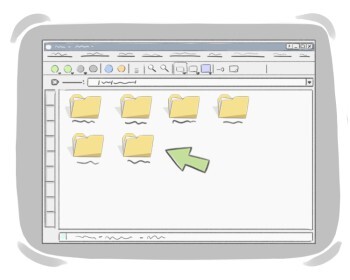
a digital location on a computer used to organize and store files together
carpeta, fólder
La carpeta contiene varias subcarpetas para un acceso fácil.
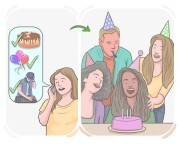
to make the necessary arrangements for an event or activity to take place
organizar
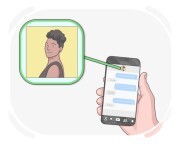
a page or account on a website or social media service containing information about a particular user
perfil
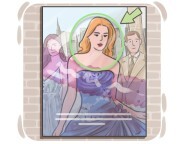
having the most importance or influence
primario
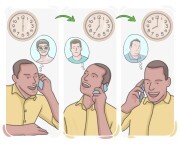
regularly and with short time in between
frecuentemente, con frecuencia
El gerente frecuentemente comunica las actualizaciones al equipo.

to be one's property
ser de, pertenecer a

a person whom one knows but is not a close friend
conocido
Los eventos de networking brindan oportunidades para conocer nuevos conocidos en el mundo profesional.
a person who is unfamiliar with a particular place because they have not been there before

to not let something increase in amount or number
limitar
