
Książka Four Corners 4 - Jednostka 2 Lekcja D
Tutaj znajdziesz słownictwo z Unitu 2 Lekcji D w podręczniku Four Corners 4, takie jak "przeciążenie", "harmonogram", "podstawowy" itp.
Przegląd
Fiszki
formy
Pisownia
Test

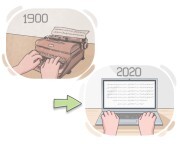
related to the most recent time or to the present time

nowoczesny, współczesny
Postępy w współczesnej medycynie znacznie poprawiły oczekiwaną długość życia.

the process or activity of exchanging information or expressing feelings, thoughts, or ideas by speaking, writing, etc.
komunikacja, wymiana
Firma wierzy w otwartą i szczerą komunikację wśród swoich pracowników.
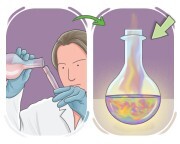
something that is caused by something else
wynik, efekt
Eksperyment przyniósł nieoczekiwane wyniki, skłaniając do dalszych badań.
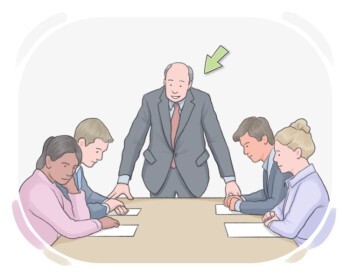
to be in charge of the work of a team, organization, department, etc.
zarządzać, kierować
Ona zarządza udanym biznesem online z domu.

an excessive amount of something that exceeds normal limits or capacity
przeciążenie, nadmiar
Przeciążenie wyborami w sklepie spożywczym utrudniło jej podjęcie decyzji, co kupić.
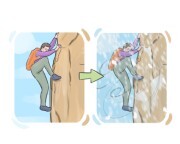
to continue doing something even though there are some hardships
trzymać się, upierać się przy
Będę trzymać się mojej rutyny ćwiczeń, nawet jeśli będzie trudno.

a plan or timetable outlining the sequence of events or activities
harmonogram, rozkład
Uczniowie otrzymali swoje plany zajęć na nadchodzący semestr.
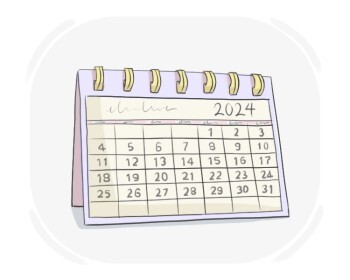
a page or set of pages showing the days, weeks, and months of a particular year, especially one put on a wall
kalendarz, rocznik
Nasz nauczyciel używa dużego kalendarza, aby planować nasze lekcje i zadania.

to keep or save money, time, etc. for a specific purpose
odłożyć, zarezerwować
Niezbędne jest odłożenie części zarobków na emeryturę.
relating to feelings or emotions
emocjonalny, uczuciowy
Muzyka może wywoływać emocjonalne reakcje.
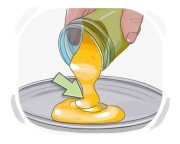
(usually plural) the things that are held, included, or contained within something
zawartość, zawartości
Ostrożnie umieściła zawartość szuflady w oddzielnym pojemniku.
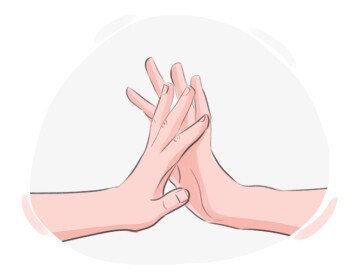
the ability to perceive textures or shapes through the hands
dotyk, zmysł dotyku
Dotyk miękkiego futra kocięcia przyniósł dziecku pocieszenie i radość.
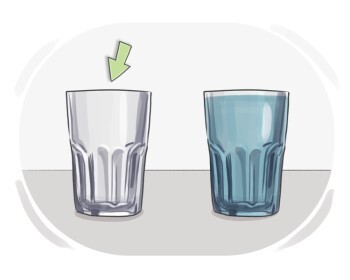
with no one or nothing inside
pusty, opustoszały
Pusta walizka stała w kącie, czekając na wypełnienie ubraniami na podróż.
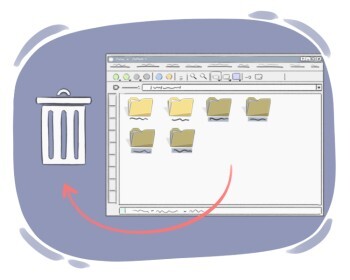
to remove a piece of data from a computer or smartphone
usuwać, kasować
Upewnij się, że usunąłeś historię przeglądania ze względów prywatności.
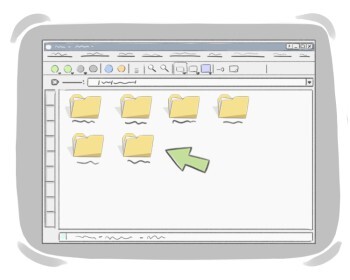
a digital location on a computer used to organize and store files together
folder, katalog
Nie mogę znaleźć folderu, w którym przechowywałem kopię zapasową.
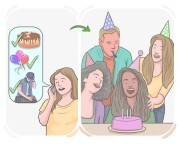
to make the necessary arrangements for an event or activity to take place
organizować, aranżować
Organizujemy przyjęcie-niespodziankę na jej urodziny.
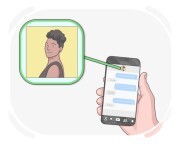
the personal details and other information that someone posts online on a social media platform
profil, dane osobowe
Ustawiła swój profil na prywatny, aby kontrolować, kto może zobaczyć jej informacje.
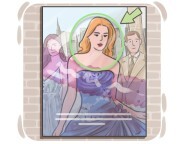
having the most importance or influence
główny, pierwotny
Głównym powodem jego sukcesu jest jego niezachwiana dedykacja swojemu rzemiosłu.
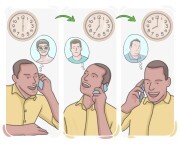
regularly and with short time in between
często, regularnie
Przypomina się uczniom, aby często zadawali pytania podczas lekcji.

to be one's property
należeć, być własnością
Klucze znalezione na stole należą do domu sąsiada.

a person whom one knows but is not a close friend
znajomy, relacja
Zaprosił swoich znajomych z pracy na imprezę, mając nadzieję na poszerzenie swojego kręgu towarzyskiego.
someone who is not familiar with a place because it is the first time they have ever been there
nieznajomy, obcy
W obcym kraju turysta może czasem czuć się jak obcy.
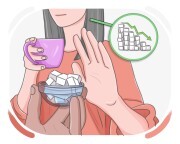
to not let something increase in amount or number
ograniczać
Musiał ograniczyć swoje wydatki, aby trzymać się budżetu.
