pattern

El libro Four Corners 4 - Unidad 9 Lección A

Aquí encontrarás el vocabulario de la Unidad 9 Lección A del libro de curso Four Corners 4, como "desconsiderado", "olor", "especular", etc.

Revisión

Tarjetas de memoria

formas

Ortografía

Cuestionario

Empezar a aprender
Four Corners 4
to believe
to believe
[Verbo]

to accept something to be true even without proof

creer

creer

Ex: I find it hard to believe that she won the lottery twice in a row. 

Me resulta difícil de creer que haya ganado la lotería dos veces seguidas.

explanation
explanation
[Sustantivo]

information or details that are given to make something clear or easier to understand

explicación, aclaración

explicación, aclaración

Ex: The teacher's explanation made the math problem much easier to solve. 

La explicación del profesor hizo que el problema de matemáticas fuera mucho más fácil de resolver.

suffix
suffix
[Sustantivo]

(grammar) a letter or a set of letters that are added to the end of a word to alter its meaning and make a new word

sufijo

sufijo

Ex: Students practiced adding different suffixes to root words to see how their meanings changed. 

Los estudiantes practicaron agregar diferentes sufijos a las palabras raíz para ver cómo cambiaban sus significados.

useful
useful
[Adjetivo]

providing help when needed

útil

útil

Ex: A reliable GPS navigation system is especially useful during road trips to unfamiliar destinations. 

Un sistema de navegación GPS confiable es especialmente útil durante los viajes por carretera a destinos desconocidos.

useless
useless
[Adjetivo]

lacking purpose or function, and unable to help in any way

inútil

inútil

Ex: The expired medication was useless and had to be disposed of properly. 

El medicamento caducado era inútil y tuvo que ser desechado adecuadamente.

powerful
powerful
[Adjetivo]

possessing great strength or force

poderoso

poderoso

Ex: The powerful tools in the workshop helped complete the job quickly. 

Las herramientas poderosas en el taller ayudaron a completar el trabajo rápidamente.

powerless
powerless
[Adjetivo]

lacking the ability or authority to influence or control situations

impotente, sin poder

impotente, sin poder

Ex: The small country was powerless against the invading army. 

El pequeño país era impotente contra el ejército invasor.

fearful
fearful
[Adjetivo]

filled with fear or anxiety

temeroso, miedoso

temeroso, miedoso

Ex: His voice was shaky and fearful as he recounted the incident to the police. 

Su voz era temblorosa y temerosa mientras relataba el incidente a la policía.

fearless
fearless
[Adjetivo]

expressing no signs of fear in face of danger or difficulty

intrépido, sin miedo

intrépido, sin miedo

Ex: He's known for his fearless attitude, never hesitating to speak his mind. 

Es conocido por su actitud audaz, sin dudar en decir lo que piensa.
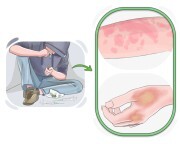
harmful
harmful
[Adjetivo]

causing damage or negative effects to someone or something

dañino, perjudicial

dañino, perjudicial

Ex: Excessive exposure to the sun's UV rays can be harmful to your skin. 

La exposición excesiva a los rayos UV del sol puede ser perjudicial para tu piel.

harmless
harmless
[Adjetivo]

causing no danger or damage

inofensivo, inocuo

inofensivo, inocuo

Ex: Despite its loud appearance, the fireworks display was harmless and enjoyed by all. 

A pesar de su aparición ruidosa, el espectáculo de fuegos artificiales fue inofensivo y disfrutado por todos.
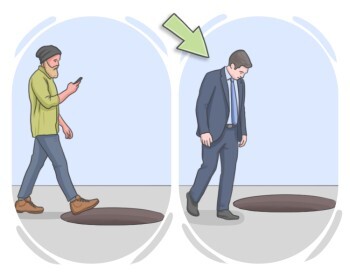
careful
careful
[Adjetivo]

giving attention or thought to what we are doing to avoid doing something wrong, hurting ourselves, or damaging something

cuidadoso

cuidadoso

Ex: She was careful not to wake the sleeping baby. 

Ella tuvo cuidado de no despertar al bebé dormido.
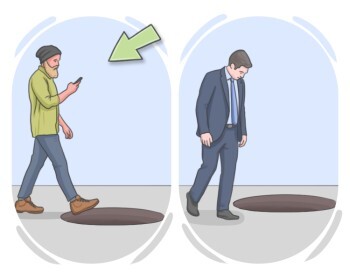
careless
careless
[Adjetivo]

not paying enough attention to what we are doing

descuidado

descuidado

Ex: He was so careless with his words, often saying things without thinking. 

Era tan descuidado con sus palabras, a menudo diciendo cosas sin pensar.

meaningless
meaningless
[Adjetivo]

lacking any significance, value, or purpose

sin sentido, insignificante

sin sentido, insignificante

Ex: The words he said were meaningless, as they didn’t match his actions. 

Las palabras que dijo eran sin sentido, ya que no coincidían con sus acciones.

thoughtful
thoughtful
[Adjetivo]

thinking deeply about oneself and one's experiences, often resulting in new understandings or realizations

pensativo

pensativo

Ex: The elderly man was known for his thoughtful moments on the porch, reminiscing about his youth. 

El anciano era conocido por sus momentos reflexivos en el porche, recordando su juventud.

thoughtless
thoughtless
[Adjetivo]

acting without considering the consequences or the feelings of others

desconsiderado

desconsiderado

Ex: She made a thoughtless decision that cost the team a project. 

Ella tomó una decisión irreflexiva que le costó al equipo un proyecto.
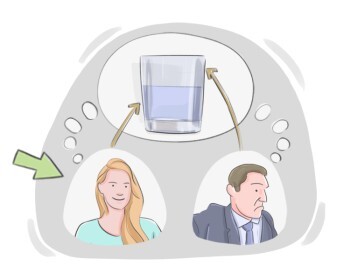
hopeful
hopeful
[Adjetivo]

(of a person) having a positive attitude and believing that good things are likely to happen

optimista, prometedor

optimista, prometedor

Ex: The therapist encouraged the patient to remain hopeful, reminding them that progress takes time. 

El terapeuta animó al paciente a mantenerse esperanzado, recordándole que el progreso lleva tiempo.

hopeless
hopeless
[Adjetivo]

having no possibility or expectation of improvement or success

desesperado

desesperado

Ex: He stared at the complicated math problem, feeling hopeless about solving it. 

Miró el complicado problema de matemáticas, sintiéndose desesperado por resolverlo.

storm
storm
[Sustantivo]

a strong and noisy event in the sky with heavy rain, thunder, lightning, and strong winds

tormenta

tormenta

Ex: The boat rocked violently in the storm. 

El barco se balanceó violentamente en la tormenta.

to destroy
to destroy
[Verbo]

to cause damage to something in a way that it no longer exists, works, etc.

destruir

destruir

Ex: Yesterday, the fire tragically destroyed the old library, consuming many valuable books. 

Ayer, el incendio destruyó trágicamente la antigua biblioteca, consumiendo muchos libros valiosos.

to raise
to raise
[Verbo]

to grow or reproduce animals or plants

criar, cultivar
criar, cultivar

Ex: Jim retired to raise raspberries. 

Jim se retiró para cultivar frambuesas.

totally
totally
[Adverbio]

in a complete and absolute way

totalmente

totalmente

Ex: The city was totally different from what I remembered. 

La ciudad era totalmente diferente de lo que recordaba.

building
building
[Sustantivo]

a structure that has walls, a roof, and sometimes many levels, like an apartment, house, school, etc.

edificio, construcción

edificio, construcción

Ex: The school building has a playground for the students. 

El edificio de la escuela tiene un patio de recreo para los estudiantes.

odor
odor
[Sustantivo]

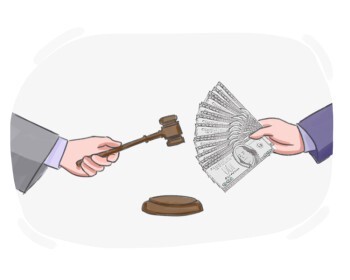
a distinctive and often unpleasant smell or scent that is produced by a substance or object

olor, hedor
olor, hedor

to fine
to fine
[Verbo]

to make someone pay a sum of money as punishment for violation of the law

multar

multar

Ex: The company was fined heavily for violating environmental regulations. 

La empresa fue multada severamente por violar las regulaciones ambientales.

graduation
graduation
[Sustantivo]

the action of successfully finishing studies at a high school or a university degree

graduación

graduación

Ex: Graduation is often a time for reflecting on personal achievements. 

Graduación es a menudo un momento para reflexionar sobre los logros personales.

grade
grade
[Sustantivo]

a letter or number given by a teacher to show how a student is performing in class, school, etc.

nota

nota

Ex: Mark's grades have improved significantly since he started studying regularly. 

Las calificaciones de Mark han mejorado significativamente desde que empezó a estudiar regularmente.

explainable
explainable
[Adjetivo]

capable of being understood or made clear in a logical manner

explicable, comprensible

explicable, comprensible

Ex: The mistake is explainable if you consider how rushed the work was. 

El error es explicable si consideras lo apresurado que estaba el trabajo.
behavior
behavior
[Sustantivo]

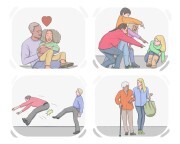
the way that someone acts, particularly in the presence of others

comportamiento

comportamiento

Ex: I was disappointed by his behavior at the family dinner. 

Me decepcionó su comportamiento en la cena familiar.

impressive
impressive
[Adjetivo]

causing admiration because of size, skill, importance, etc.

impresionante

impresionante

Ex: The view from the top of the mountain was absolutely impressive. 

La vista desde la cima de la montaña era absolutamente impresionante.

comfortable
comfortable
[Adjetivo]

physically feeling relaxed and not feeling pain, stress, fear, etc.

cómodo

cómodo

Ex: After a warm bath, he felt comfortable and ready for bed. 

Después de un baño caliente, se sintió cómodo y listo para dormir.

to dress up

to wear formal clothes for a special occasion or event

ponerse elegante, vestirse de etiqueta

ponerse elegante, vestirse de etiqueta

Ex: It's customary to dress up in traditional attire for cultural celebrations. 

Es costumbre vestirse con atuendos tradicionales para las celebraciones culturales.
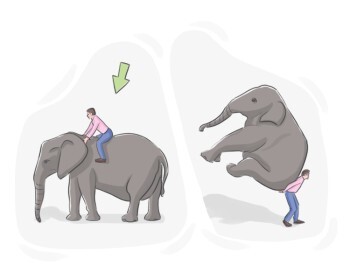
possible
possible
[Adjetivo]

able to exist, happen, or be done

posible

posible

Ex: It is possible to learn a new language at any age. 

Es posible aprender un nuevo idioma a cualquier edad.
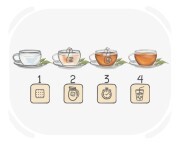
simply
simply
[Adverbio]

used to show that something is the case and nothing more

sencillamente, con sencillez

sencillamente, con sencillez

Ex: The reason is simply that the product is out of stock. 

La razón es simplemente que el producto está agotado.

to offer
to offer
[Verbo]

to present or propose something to someone

ofrecer

ofrecer

Ex: The teacher offered valuable feedback to help the students improve their work. 
to interview

to ask someone questions to see whether they are qualified for a course of study, job, etc.

entrevistar

entrevistar

Ex: We need to interview potential interns for the summer program. 

Necesitamos entrevistar a pasantes potenciales para el programa de verano.

to speculate

to form a theory or opinion about a subject without knowing all the facts

hacer conjeturas

hacer conjeturas

Ex: When the stock prices suddenly dropped, investors started to speculate on the reasons for the market downturn. 

Cuando los precios de las acciones cayeron repentinamente, los inversores comenzaron a especular sobre las razones de la caída del mercado.

could
could
[Verbo]

used to show the possibility of something happening or being the case

[verbo condicional de poder]

[verbo condicional de poder]

must
must
[Verbo]

used to express a logical conclusion

debe, tiene que

debe, tiene que

Ex: He must know about the meeting by now. 

Él debe saber sobre la reunión ahora.

might
might
[Verbo]

used to express a possibility

es posible que, puede que

es posible que, puede que

Ex: We might go to the beach if the weather is nice. 

Podríamos ir a la playa si hace buen tiempo.

should
should
[Verbo]

used to indicate a degree of expectation regarding something that is likely to happen

debería, deberías

debería, deberías

Ex: The company should announce their decision by tomorrow. 

La empresa debería anunciar su decisión para mañana.

meaningful
meaningful
[Adjetivo]

having a significant purpose or importance

significativo, válido, útil

significativo, válido, útil

Ex: The couple exchanged meaningful glances during the wedding ceremony. 

La pareja intercambió miradas significativas durante la ceremonia de bodas.

LanGeek
Descargar la aplicación LanGeek