
El libro Interchange - Principiante - Unidad 14 - Parte 1
Aquí encontrarás el vocabulario de la Unidad 14 - Parte 1 del libro de curso Interchange Beginner, como "lavar", "ocupado", "colgar", etc.
Revisión
Tarjetas de memoria
formas
Ortografía
Cuestionario
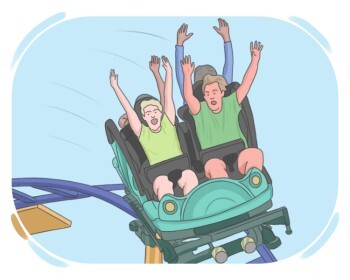
an enjoyable or exciting experience or period of time

buen momento, tiempo agradable
Ella siempre sabe cómo planear un buen momento, haciendo que cada reunión sea divertida y memorable.
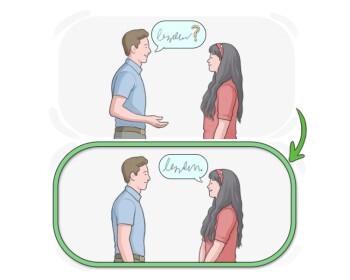
to say, write, or take action in response to a question or situation
responder, contestar
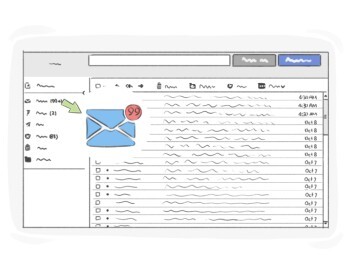
a digital message that is sent from one person to another person or group of people using a system called email
correo electrónico, email
Ella borró accidentalmente el correo electrónico, así que pidió que se reenviara.
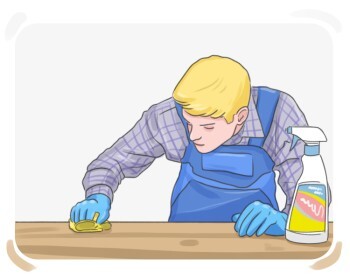
to make something have no bacteria, marks, or dirt
limpiar
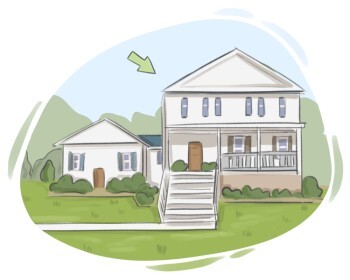
a building where people live, especially as a family
casa

(dummy verb) to perform an action that is specified by a noun
[palabra ficticia]
clothes, sheets, etc. that have just been washed or need washing
ropa sucia, ropa limpia
Debería recoger mi ropa de la tintorería.
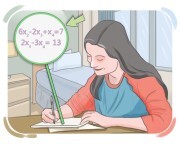
a mental or physical activity that helps keep our mind and body healthy
ejercicio

a store selling food and household items
supermercado
Él trabaja en una pequeña tienda de comestibles en su vecindario.

to look for and buy different things from stores or websites
hacer compras
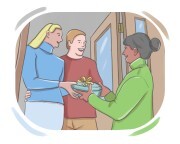
to go somewhere because we want to spend time with someone
visitar
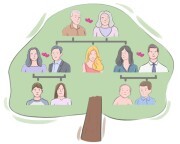
a family member who is related to us by blood or marriage
pariente
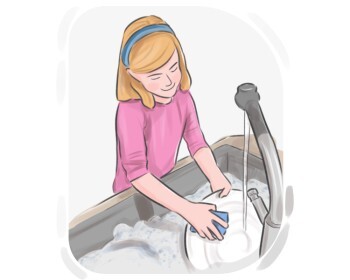
to clean someone or something with water, often with a type of soap
lavar
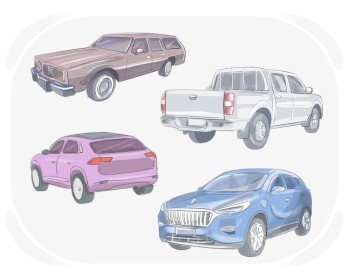
a road vehicle that has four wheels, an engine, and a small number of seats for people
coche, carro
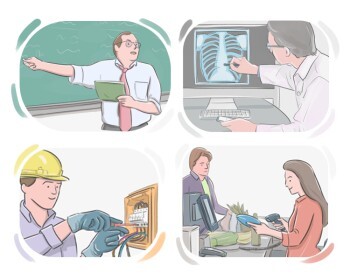
to do certain physical or mental activities in order to achieve a result or as a part of our job
trabajar
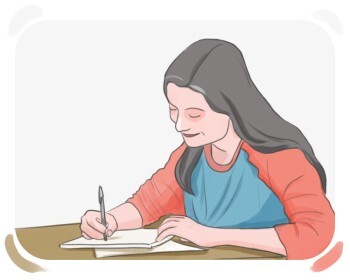
to spend time to learn about certain subjects by reading books, going to school, etc.
estudiar
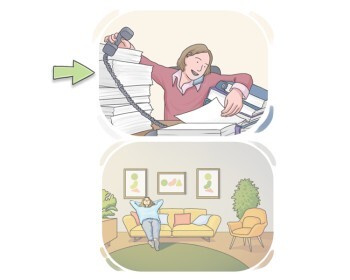
having so many things to do in a way that leaves not much free time
ocupado
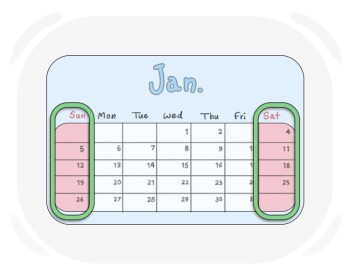
the days of the week, usually Saturday and Sunday, when people do not have to go to work or school
fin de semana, wikén
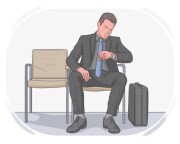
to remain in a particular place
quedarse

to look at a thing or person and pay attention to it for some time
mirar
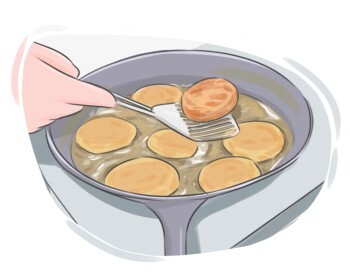
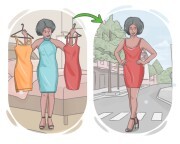
to think carefully about different things and choose one of them
decidir
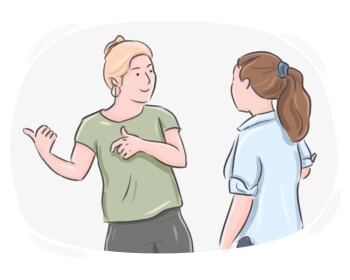
to make a formal or friendly request to someone to come somewhere or join something
invitar
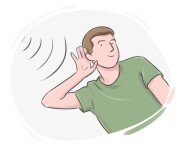
to give our attention to the sound a person or thing is making
escuchar
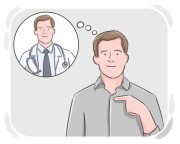
used when naming, or giving description or information about people, things, or situations
ser, estar, tener
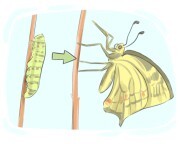
to start or grow to be
convertirse en, volverse, hacerse, llegar a ser
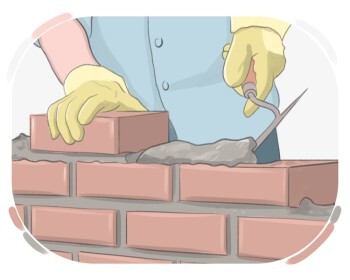
to put together different materials such as brick to make a building, etc.
construir
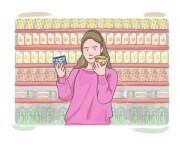
to decide what we want to have or what is best for us from a group of options
elegir
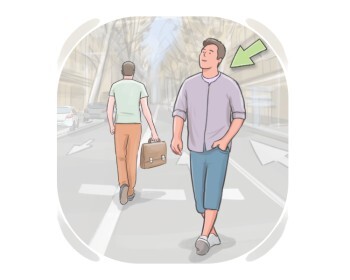
to move toward a location that the speaker considers to be close or relevant to them
venir
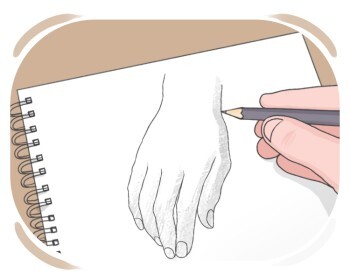
to make a picture of something using a pencil, pen, etc. without coloring it
dibujar
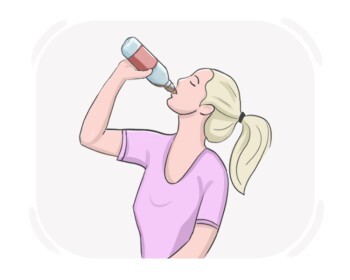
to put water, coffee, or other type of liquid inside of our body through our mouth
beber
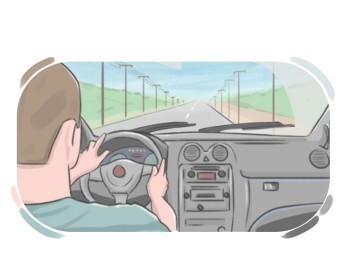
to control the movement and the speed of a car, bus, truck, etc. when it is moving
conducir
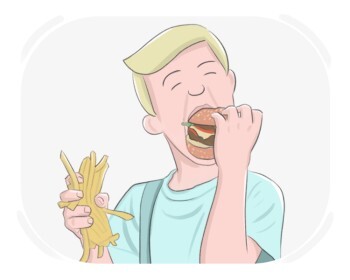
to put food into the mouth, then chew and swallow it
comer
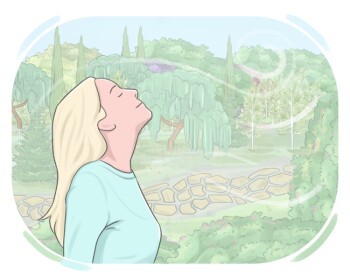
to experience a particular emotion
sentir
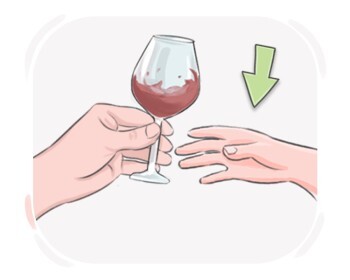
to receive or come to have something
conseguir, obtener
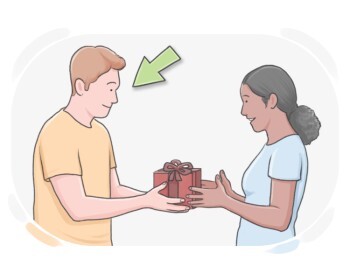
to hand a thing to a person to look at, use, or keep
dar
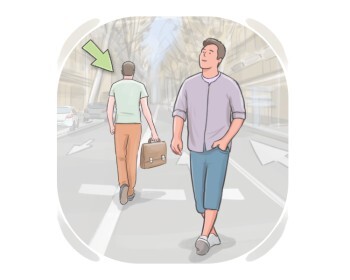
to travel or move from one location to another
ir
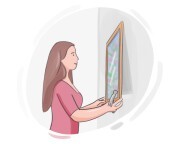
to attach something to a higher point so that it is supported from above and can swing freely
colgar
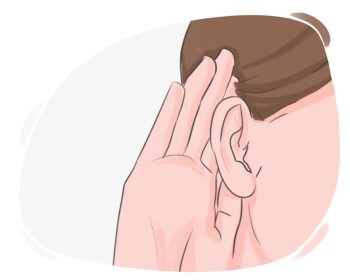
to notice the sound a person or thing is making
oír
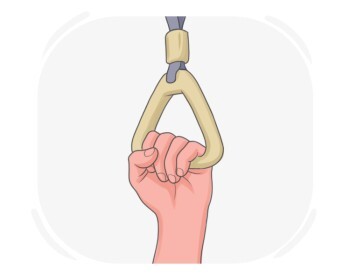
to have in your hands or arms
agarrar, coger
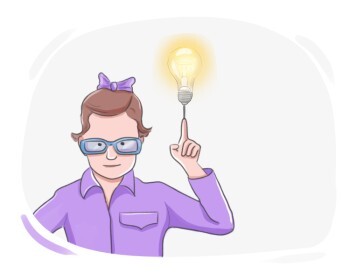
to have some information about something
saber
| El libro Interchange - Principiante | |||
|---|---|---|---|
| Unidad 10 - Parte 2 | Unidad 11 - Parte 1 | Unidad 11 - Parte 2 | Unidad 11 - Parte 3 |
| Unidad 12 - Parte 1 | Unidad 12 - Parte 2 | Unidad 13 - Parte 1 | Unidad 13 - Parte 2 |
| Unidad 14 - Parte 1 | Unidad 14 - Parte 2 | Unidad 15 | Unidad 16 |
