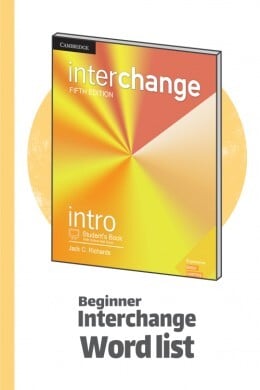

책 Interchange - 초급 - 유닛 14 - 파트 1

여기에서는 Interchange Beginner 교재의 Unit 14 - Part 1에서 "씻다", "바쁘다", "걸다" 등의 어휘를 찾을 수 있습니다.

review-disable

리뷰

flashcard-disable

플래시카드

spelling-disable

철자법

quiz-disable

퀴즈

학습 시작
책 Interchange - 초급
good time [명사]
اجرا کردن

좋은 시간

Ex: She always knows how to plan a good time , making every gathering fun and memorable .

그녀는 항상 좋은 시간을 계획하는 방법을 알고 있어, 모든 모임을 재미있고 기억에 남게 만듭니다.
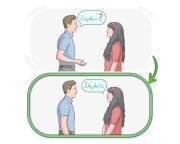
to answer [동사]
اجرا کردن

대답하다

Ex: The expert was invited to the conference to answer queries about the new research findings .

전문가는 새로운 연구 결과에 대한 질문에 대답하기 위해 회의에 초대되었습니다.
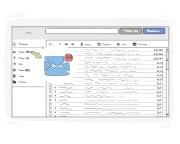
email [명사]
اجرا کردن

이메일

Ex: She accidentally deleted the email , so she asked for it to be resent .

그녀는 실수로 이메일을 삭제했기 때문에 다시 보내달라고 요청했다.
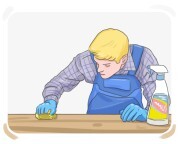
to clean [동사]
اجرا کردن

청소하다

Ex: Sarah cleans the kitchen counters with a sponge .
사라는 스펀지로 주방 조리대를 청소합니다.

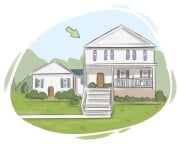
house [명사]
اجرا کردن

Ex: We painted our house a vibrant shade of blue to stand out in the neighborhood .

우리는 이웃에서 눈에 띄게 하기 위해 우리 을 생생한 파란색으로 칠했습니다.

to do [동사]
اجرا کردن

하다

Ex: I want to do a movie with Sarah this weekend .

이번 주말에 사라와 함께 영화를 만들고 싶어요.

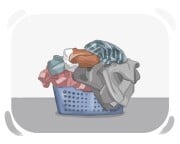
laundry [명사]
اجرا کردن

빨래

Ex: I should pick up my laundry from the dry cleaners .

세탁소에서 빨래를 찾아가야 합니다.

exercise [명사]
اجرا کردن

운동

Ex: The doctor recommended more cardio exercise in my routine .

의사는 내 루틴에 더 많은 유산소 운동을 추천했습니다.

grocery [명사]
اجرا کردن

식료품점

Ex: He works at a small grocery in his neighborhood .

그는 동네의 작은 식료품점에서 일한다.

to shop [동사]
اجرا کردن

쇼핑하다

Ex: Families often shop for groceries together to plan meals for the week .

가족들은 종종 함께 쇼핑을 하며 일주일 식사를 계획합니다.

to visit [동사]
اجرا کردن

방문하다

Ex: She 's planning to visit her pen pal in France next year .

그녀는 내년에 프랑스에 있는 펜팔을 방문할 계획입니다.

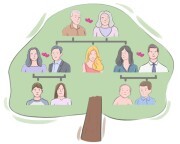
relative [명사]
اجرا کردن

친척

Ex: She 's a distant relative on my father 's side .

그녀는 아버지 쪽의 먼 친척입니다.

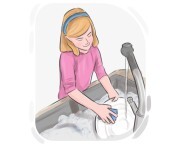
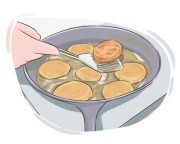
to wash [동사]
اجرا کردن

씻다

Ex: I usually wash my car at the car wash .

나는 보통 세차장에서 내 차를 씻어.

car [명사]
اجرا کردن

자동차

Ex: She forgot to lock her car before going into the store .

그녀는 가게에 들어가기 전에 를 잠그는 것을 잊었습니다.

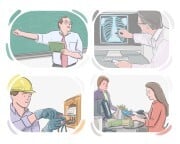
to work [동사]
اجرا کردن

일하다

Ex: They ca n't work if the internet is down .

인터넷이 다운되면 그들은 할 수 없습니다.

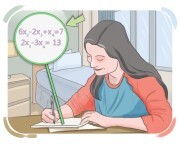
to study [동사]
اجرا کردن

공부하다

Ex: They are studying for the science competition next month .

그들은 다음 달 과학 대회를 위해 공부하고 있습니다.

busy [형용사]
اجرا کردن

바쁜

Ex: In the bustling city , people are constantly busy with work , errands , and social commitments .

붐비는 도시에서 사람들은 끊임없이 일, 심부름, 사회적 약속으로 바쁘다.

weekend [명사]
اجرا کردن

주말

Ex: Weekends allow me to take a break from work and recharge for the next week .

주말은 일에서 벗어나 휴식을 취하고 다음 주를 위해 재충전할 수 있게 해줍니다.

to stay [동사]
اجرا کردن

머무르다

Ex: We 'll stay at the office to finish the project on time .

우리는 시간 내에 프로젝트를 완료하기 위해 사무실에 남을 것입니다.

to watch [동사]
اجرا کردن

보다

Ex: The audience eagerly watched the actors on stage during the play .

관객들은 연극 동안 무대 위의 배우들을 열심히 지켜보았습니다.

to cook [동사]
اجرا کردن

요리하다

Ex: The chef cooks a delicious meal in the restaurant .

셰프는 레스토랑에서 맛있는 식사를 요리합니다.

to decide [동사]
اجرا کردن

결정하다

Ex:

그들은 회의 날짜를 결정했나요?

to invite [동사]
اجرا کردن

초대하다

Ex: The bride and groom are inviting friends and family to their wedding .

신부와 신랑은 친구와 가족을 결혼식에 초대하고 있습니다.

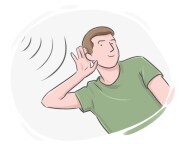
to listen [동사]
اجرا کردن

듣다

Ex: She likes to listen to classical music while studying .

그녀는 공부하면서 클래식 음악을 듣는 것을 좋아합니다.

to be [동사]
اجرا کردن

이다

Ex: Today is her birthday .

오늘은 그녀의 생일입니다.

to become [동사]
اجرا کردن

되다

Ex: I became interested in photography after attending a workshop .

워크숍에 참석한 후 사진에 관심을 갖게 되었습니다.

to build [동사]
اجرا کردن

짓다

Ex: These cottages are built with timber and thatch .

이 코티지는 목재와 짚으로 지어졌습니다.

to choose [동사]
اجرا کردن

고르다

Ex: She could n't choose a favorite book because she loved so many .

그녀는 너무 많은 책을 사랑했기 때문에 가장 좋아하는 책을 고를 수 없었습니다.

to come [동사]
اجرا کردن

오다

Ex:

프로젝트를 발표하기 위해 교실 앞으로 주세요.

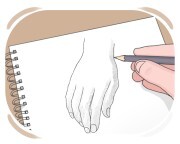
to draw [동사]
اجرا کردن

그리다

Ex: The artist can draw realistic portraits of people .

그 예술가는 사람들의 사실적인 초상화를 그릴 수 있습니다.

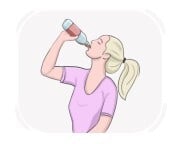
to drink [동사]
اجرا کردن

마시다

Ex: I usually drink a cup of green tea in the afternoon .

나는 보통 오후에 녹차 한 잔을 마신다.

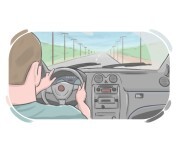
to drive [동사]
اجرا کردن

운전하다

Ex: I like to drive along scenic routes to enjoy the countryside .

나는 시골을 즐기기 위해 경치 좋은 길을 따라 운전하는 것을 좋아합니다.

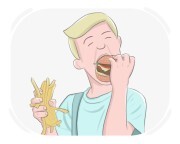
to eat [동사]
اجرا کردن

먹다

Ex: We ate sushi for the first time and loved it .

우리는 처음으로 스시를 먹었고 그것을 좋아했습니다.

to feel [동사]
اجرا کردن

느끼다

Ex:

그녀는 자신의 실수를 깨달았을 때 당황스러움을 느꼈다.

to get [동사]
اجرا کردن

받다

Ex: They got an invitation to the exclusive event .

그들은 독점 행사 초대를 받았습니다.

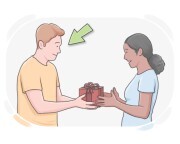
to give [동사]
اجرا کردن

주다

Ex: The tour guide gave visitors a map to explore the historical site .

투어 가이드는 방문객들에게 역사적 장소를 탐험할 수 있는 지도를 주었습니다.

to go [동사]
اجرا کردن

가다

Ex:

이 기차는 공항에 갑니까?

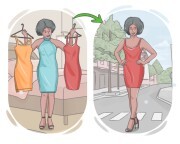
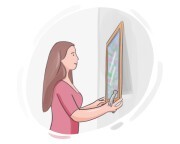
to hang [동사]
اجرا کردن

걸다

Ex: The artist carefully hung her latest masterpiece in the gallery for everyone to admire .

예술가는 그녀의 최신 걸작을 갤러리에 조심스럽게 걸어 모두가 감상할 수 있도록 했습니다.

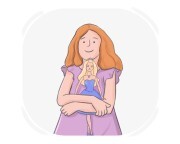
to have [동사]
اجرا کردن

가지다

Ex: The family has a profitable real estate business .

가족은 수익성 있는 부동산 사업을 가지고 있습니다.

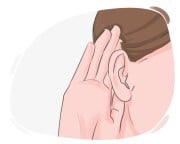
to hear [동사]
اجرا کردن

듣다

Ex: We heard shouting coming from the other house .

우리는 다른 집에서 오는 고함소리를 들었습니다.

to hold [동사]
اجرا کردن

들다

Ex: She held her friend 's hand for support during the scary movie .

그녀는 무서운 영화를 보는 동안 친구의 손을 잡고 지지를 받았다.

to know [동사]
اجرا کردن

알다

Ex: He knows that he needs to study more for the exam .

그는 시험을 위해 더 공부해야 한다는 것을 알고 있습니다.