pattern

Le livre Interchange - Débutant - Unité 14 - Partie 1

Ici, vous trouverez le vocabulaire de l'Unité 14 - Partie 1 du manuel Interchange Beginner, comme "laver", "occupé", "accrocher", etc.

Réviser

Flashcards

formes

Orthographe

Quiz

Commencer à apprendre
Interchange - Beginner
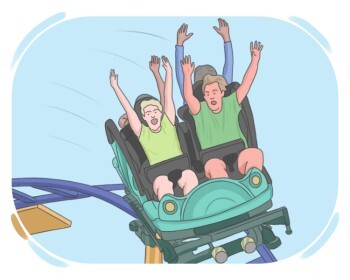
good time

an enjoyable or exciting experience or period of time

bon moment, agréable moment

bon moment, agréable moment

Ex: It’s important to spend time with friends and family to ensure we have a good time together. 

Il est important de passer du temps avec des amis et la famille pour s'assurer que nous passons un bon moment ensemble.
to answer
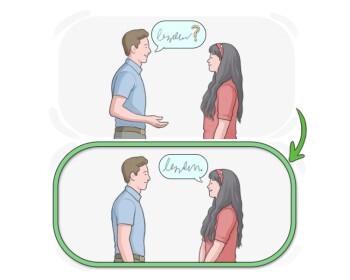
to answer
[verbe]

to say, write, or take action in response to a question or situation

répondre
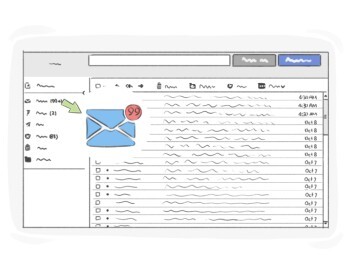
répondre

Ex: The expert was invited to the conference to answer queries about the new research findings. 
email
email
[nom]

a digital message that is sent from one person to another person or group of people using a system called email

courriel, e-mail

courriel, e-mail

Ex: I'm still waiting for a response to my email from yesterday. 

J'attends toujours une réponse à mon email d'hier.
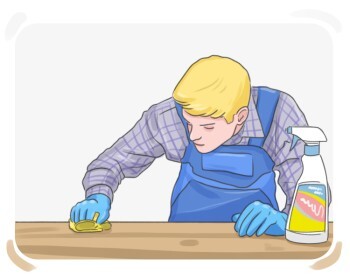
to clean
to clean
[verbe]

to make something have no bacteria, marks, or dirt

nettoyer
nettoyer

Ex: I usually clean the floors with a mop and cleaner. 
house
house
[nom]

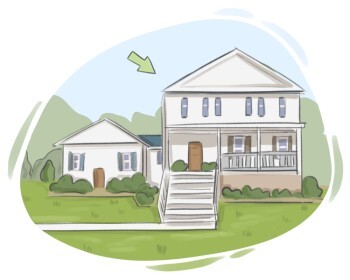
a building where people live, especially as a family

maison

maison

Ex: The house has a basement where they store their belongings. 
to do
to do
[verbe]

(dummy verb) to perform an action that is specified by a noun

[verbe factice]
[verbe factice]

Ex: He does exercise every morning to stay fit. 
laundry
laundry
[nom]

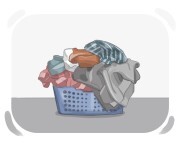
clothes, sheets, etc. that have just been washed or need washing

linge à laver, linge sale

linge à laver, linge sale

Ex: I forgot to take the laundry out of the washing machine. 

J'ai oublié de sortir le linge de la machine à laver.
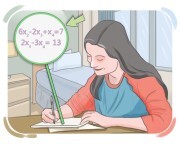
exercise

a mental or physical activity that helps keep our mind and body healthy

exercice

exercice

Ex: Regular exercise is important for your health. 
grocery
grocery
[nom]

a store selling food and household items

épicerie

épicerie

Ex: The local grocery offers fresh produce and baked goods. 

L'épicerie locale propose des produits frais et des pâtisseries.

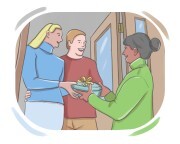
to shop
to shop
[verbe]

to look for and buy different things from stores or websites

acheter
acheter

Ex: Many people prefer to shop online for the convenience of home delivery. 
to visit
to visit
[verbe]

to go somewhere because we want to spend time with someone

rendre visite
rendre visite

Ex: My brother visits me every time he's in town. 
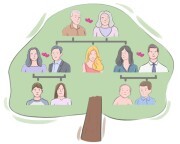
relative

a family member who is related to us by blood or marriage

membre de la famille
membre de la famille

Ex: We invited all our relatives to the family reunion. 
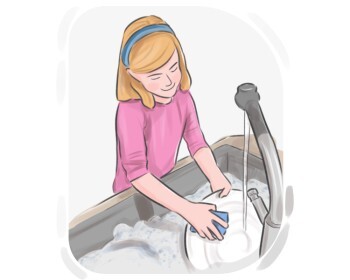
to wash
to wash
[verbe]

to clean someone or something with water, often with a type of soap

laver
laver

Ex: I need to wash my shoes; they are dirty. 
car
car
[nom]

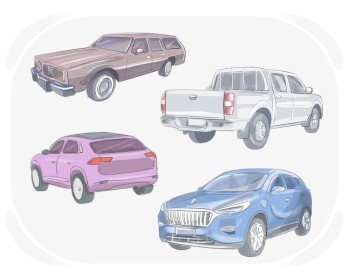
a road vehicle that has four wheels, an engine, and a small number of seats for people

voiture
voiture

Ex: My father's car needs an oil change. 
to work
to work
[verbe]

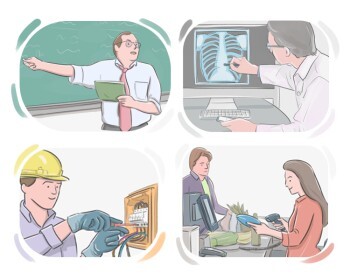
to do certain physical or mental activities in order to achieve a result or as a part of our job

travailler
travailler

Ex: She works passionately to make a difference in the world. 
to study
to study
[verbe]

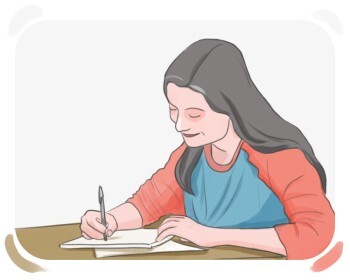
to spend time to learn about certain subjects by reading books, going to school, etc.

étudier
étudier

Ex: He prefers to study in the library where it's quiet and conducive to learning. 
busy
busy
[Adjectif]

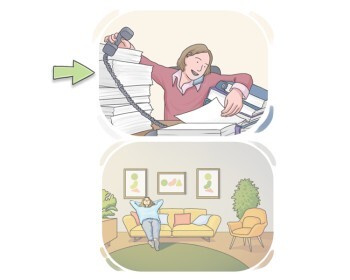
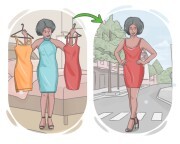
having so many things to do in a way that leaves not much free time

occupé
occupé

Ex: The project deadline is approaching, and the team is getting busy with finalizing reports and presentations. 
weekend
weekend
[nom]

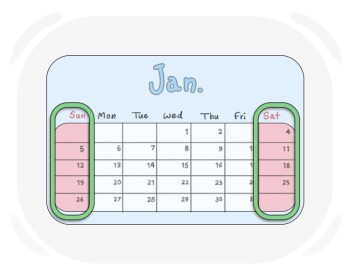
the days of the week, usually Saturday and Sunday, when people do not have to go to work or school

week-end
week-end

Ex: I look forward to the weekend to go on a trip. 
to stay
to stay
[verbe]

to remain in a particular place

rester

rester

Ex: The dog is trained to stay in one spot until given a command to move. 
to watch
to watch
[verbe]

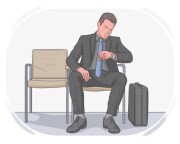
to look at a thing or person and pay attention to it for some time

regarder, observer
regarder, observer

Ex: She sat on the park bench and watched the children play in the playground. 
to cook
to cook
[verbe]

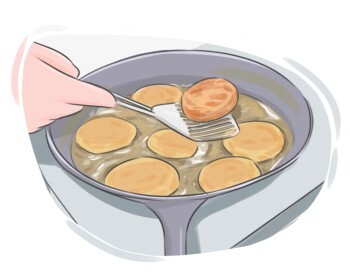
to make food with heat

cuisiner, faire la cuisine
cuisiner, faire la cuisine

Ex: My sister skillfully cooks a flavorful curry for dinner. 
to decide
to decide
[verbe]

to think carefully about different things and choose one of them

décider
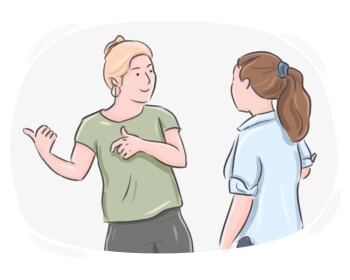
décider

Ex: After much debate, they decided to go on a road trip. 
to invite
to invite
[verbe]

to make a formal or friendly request to someone to come somewhere or join something

inviter
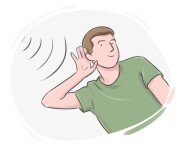
inviter

Ex: The bride and groom are inviting friends and family to their wedding. 
to listen
to listen
[verbe]

to give our attention to the sound a person or thing is making

écouter

écouter

Ex: The children listened in awe as the storyteller spun her tale. 
to be
to be
[verbe]

used when naming, or giving description or information about people, things, or situations

être, avoir
être, avoir

Ex: Sarah is a talented artist. 
to become
to become
[verbe]

to start or grow to be

devenir

devenir

Ex: How can I become a more confident individual? 
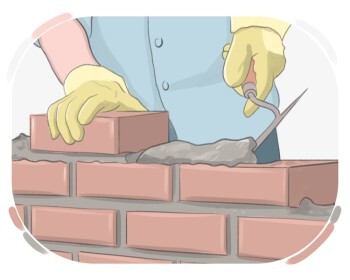
to build
to build
[verbe]

to put together different materials such as brick to make a building, etc.

construire, bâtir
construire, bâtir

Ex: Birds build intricate nests to protect their eggs. 
to choose
to choose
[verbe]

to decide what we want to have or what is best for us from a group of options

choisir
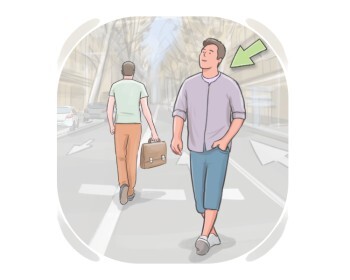
choisir

Ex: I can't decide between these two desserts; you choose for me. 
to come
to come
[verbe]

to move toward a location that the speaker considers to be close or relevant to them

venir
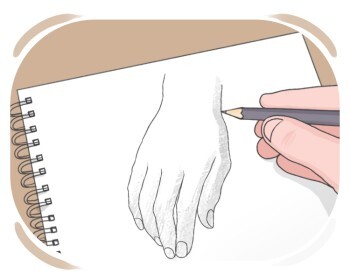
venir

Ex: David came into the office and sat down at his desk. 
to draw
to draw
[verbe]

to make a picture of something using a pencil, pen, etc. without coloring it

dessiner
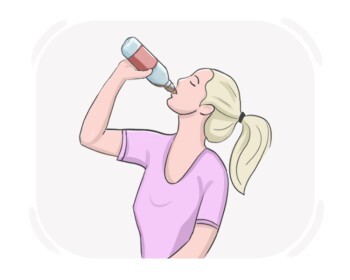
dessiner

Ex: My little brother is able to draw a perfect circle freehand. 
to drink
to drink
[verbe]

to put water, coffee, or other type of liquid inside of our body through our mouth

boire
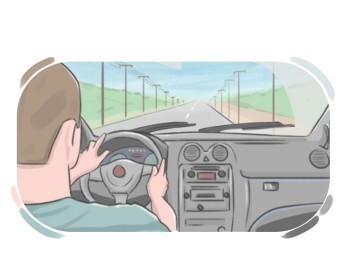
boire

Ex: His brother used to drink freshly squeezed orange juice. 
to drive
to drive
[verbe]

to control the movement and the speed of a car, bus, truck, etc. when it is moving

conduire
conduire

Ex: I usually drive to school, but today I'm taking the bus. 
to eat
to eat
[verbe]

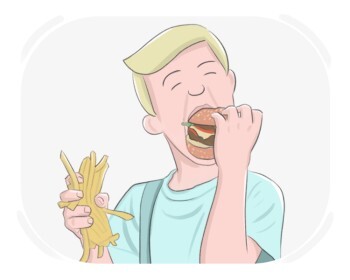
to put food into the mouth, then chew and swallow it

manger
manger

Ex: He was too busy to eat lunch due to back-to-back meetings. 
to feel
to feel
[verbe]

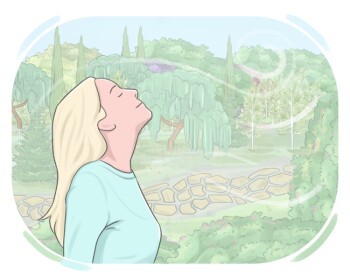
to experience a particular emotion

se sentir
se sentir

Ex: His kindness and support made her feel loved and valued. 
to get
to get
[verbe]

to receive or come to have something

obtenir, recevoir, prendre
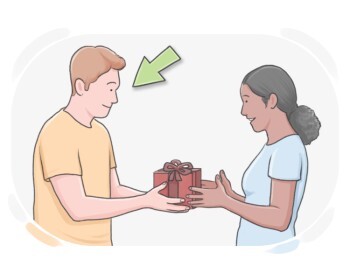
obtenir, recevoir, prendre

Ex: Did you get any interesting gifts for your birthday? 
to give
to give
[verbe]

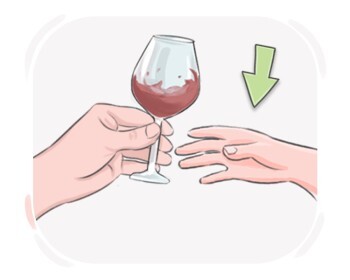
to hand a thing to a person to look at, use, or keep

donner
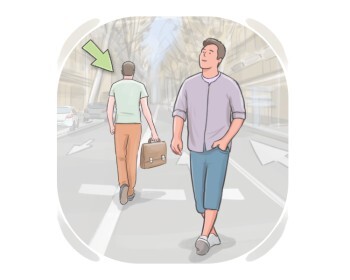
donner

Ex: She gave me a key to access the storage room. 
to go
to go
[verbe]

to travel or move from one location to another

aller
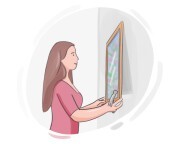
aller

Ex: They have to go to New York for a crucial meeting with clients. 
to hang
to hang
[verbe]

to attach something to a higher point so that it is supported from above and can swing freely

accrocher
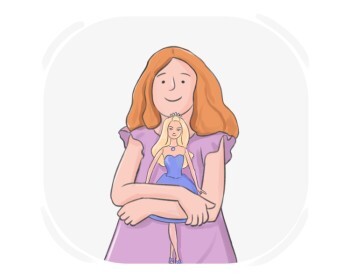
accrocher

Ex: He hung his coat on the hook by the door before entering the house. 
to have
to have
[verbe]

to hold or own something

avoir

avoir

Ex: They used to have a beach house. 
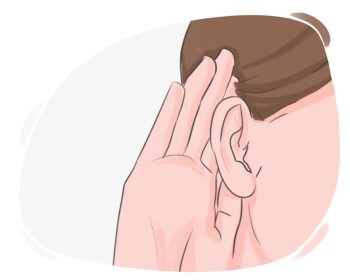
to hear
to hear
[verbe]

to notice the sound a person or thing is making

entendre, percevoir
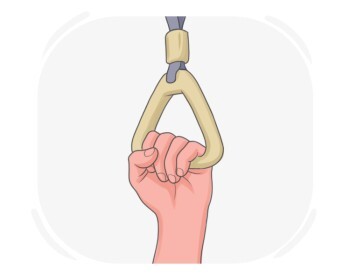
entendre, percevoir

Ex: She heard the phone ring and went to answer it. 
to hold
to hold
[verbe]

to have in your hands or arms

tenir, porter
tenir, porter

Ex: She held her friend's hand for support during the scary movie. 
to know
to know
[verbe]

to have some information about something

savoir

savoir

Ex: He knows that he made a mistake and apologizes for it. 
LanGeek
Télécharger l'application LanGeek