
El libro Insight - Intermedio - Perspectiva del Vocabulario 7
Aquí encontrarás las palabras del Vocabulario Insight 7 en el libro de curso Insight Intermediate, como "glare", "differentiate", "utter", etc.
Revisión
Tarjetas de memoria
formas
Ortografía
Cuestionario


each of two or more words with the same spelling or pronunciation that vary in meaning and origin

homónimo
Homónimo es un término que puede significar tanto una institución financiera como la orilla de un río.
(grammar) one of two or more words with the same pronunciation that differ in meaning, spelling or origin
homófono
Confundir homófonos como "bare" y "bear" puede llevar a malentendidos divertidos en la conversación.
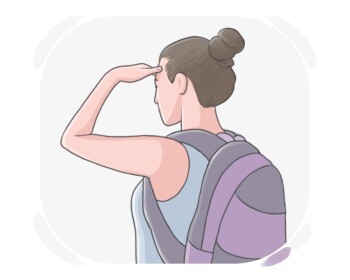
to carefully look at something
ver
El científico está observando las células microscópicas bajo el microscopio.
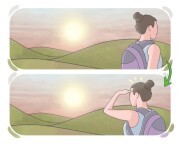
to pay attention and become aware of a particular thing or person
darse cuenta de, notar, reconocer
¿Has notado al nuevo empleado en nuestro departamento?
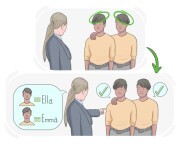
to recognize and mentally separate two things, people, etc.
distinguir
El experto distingue entre obras de arte auténticas y falsificadas.
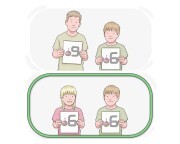
a person of the same age, social status, or capability as another specified individual
coetáneo, par
El campamento de verano tenía como objetivo crear un entorno de apoyo donde los niños pudieran interactuar con sus pares y desarrollar habilidades sociales.
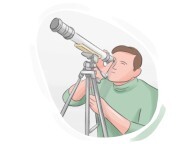
to look closely or attentively at something, often in an effort to see or understand it better
mirar fijamente, observar con atención
El científico mira fijamente a través del microscopio para analizar la muestra.

a long platform built from the shore into the sea that people can go for entertainment or a walk
muelle
El muelle estaba bordeado de coloridas tiendas y restaurantes, atrayendo a los visitantes con su encanto costero.
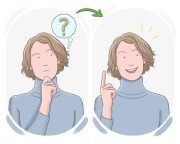
to have a sudden or complete understanding of a fact or situation
saber, reconocer
Solo se dieron cuenta de la importancia de la reunión cuando ya era demasiado tarde.

to look at someone or something without moving the eyes or blinking, usually for a while, and often without showing any expression
mirar fijamente, quedarse mirando
El estudiante mira fijamente el problema de matemáticas, intentando resolverlo.
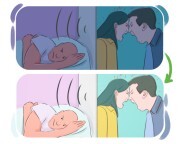
to allow the presence of an unpleasant person, thing, or situation without complaining or giving up
soportar, aguantar
Es un desafío soportar el ruido constante de la obra de construcción de al lado.

to open and close the eyes quickly and for a brief moment
parpadear, pestañear
Cuando el viento soplaba, no podía evitar parpadear para proteger sus ojos.
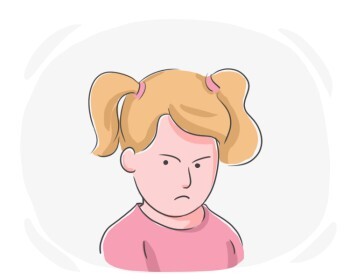
a steady and sharp stare that conveys anger, disapproval, or hostility
mirada fulminante
Ella respondió a su mirada fulminante con una de las suyas.

to recognize the difference present between two people or things
diferenciar
Los dos productos están claramente diferenciados por su empaque y marca.
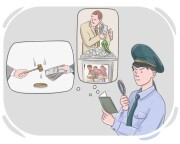
to notice or discover something that is difficult to find
detectar
Los perros tienen una habilidad notable para detectar ciertos olores, lo que ayuda en las misiones de búsqueda y rescate.
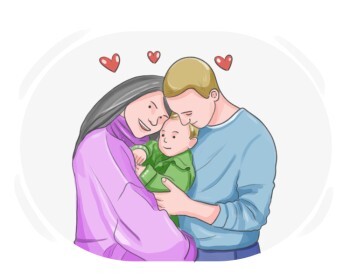
to consider something or someone important and to have a feeling of worry or concern toward them
preocuparse por
Ella se preocupa mucho por su hermana pequeña y siempre la protege.
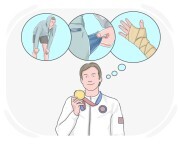
a challenge or circumstance, typically encountered while trying to reach a goal or finish something
dificultad
A pesar de su arduo trabajo, Sarah enfrentó dificultades académicas para comprender los conceptos avanzados de cálculo durante su primer semestre.
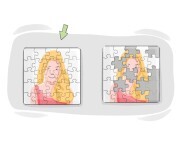
involving or describing the whole of something
entero
Toda la población del pueblo se reunió para el festival anual, llenando las calles de risas y música.
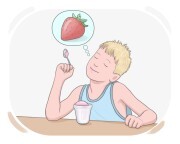
to have a specific flavor
saber
Ayer, el plato de pasta que hizo sabía un poco demasiado salado.
to express something verbally
expresar, pronunciar
Durante la reunión, decidió expresar sus preocupaciones sobre la dirección del proyecto en un memorándum escrito.
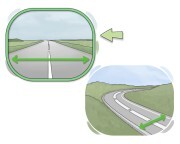
having a large length from side to side
ancho, vasto
El campo era ancho, proporcionando mucho espacio para que los niños jugaran.
the act of breathing noisily, especially when one has a cold or respiratory illness
resoplido, respiración ruidosa
Un suave resoplido provino del niño enfermo.
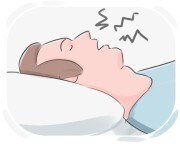
to breathe through one's nose and mouth in a noisy way while asleep
roncar
El abuelo tiende a roncar cuando toma una siesta en su silla favorita.
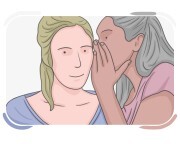
to speak very softly or quietly, usually to avoid being overheard by others who are nearby
susurrar
Mientras esperaban en la fila, susurraban sobre sus próximas vacaciones.

to try to find the truth about a crime, accident, etc. by carefully examining its facts
investigar
Ella estaba decidida a investigar el incidente hasta descubrir la verdad.
