pattern

本 Insight - 中級 - 語彙の洞察 7

ここでは、Insight Intermediate 教科書の Vocabulary Insight 7 からの単語を見つけることができます。例えば "glare"、"differentiate"、"utter" など。

復習

フラッシュカード

綴り

クイズ

学習を開始
Insight - Intermediate
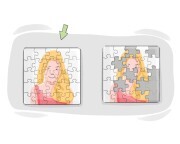
homonym
homonym
[名詞]

each of two or more words with the same spelling or pronunciation that vary in meaning and origin

同音異義語,同音語

同音異義語,同音語

Ex: It's essential to consider context when deciphering the meaning of a homonym in a sentence. 

文の中で同音異義語の意味を解読する際には、文脈を考慮することが不可欠です。

homophone
homophone
[名詞]

(grammar) one of two or more words with the same pronunciation that differ in meaning, spelling or origin

同音異義語,ホモフォン

同音異義語,ホモフォン

Ex: The homophones "piece" and "peace" are frequently confused by new English learners. 

同音異義語の「piece」と「peace」は、英語を学び始めた人によく混同されます。

to view
to view
[動詞]

to carefully look at something

見る,観察する

見る,観察する

Ex: She viewed the old family photo album with nostalgia. 

彼女は懐かしさを込めて古い家族の写真アルバムを見た。

to notice
to notice
[動詞]

to pay attention to someone or something, especially because they deserve or attract attention
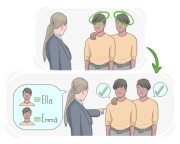
Ex: Notice how the colors change as the sun sets. 
to distinguish

to recognize or understand the differences between people, things, or concepts
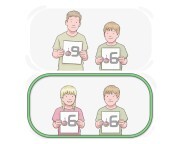
Ex: Young children sometimes struggle to distinguish between dreams and reality. 
peer
peer
[名詞]

a person who is the same age, has the same social status, or has similar abilities or qualifications as another person

同輩,同僚

同輩,同僚

Ex: Emma is highly respected by her professional peers. 
to peer
to peer
[動詞]

to look closely or carefully at something, especially because it is difficult to see clearly

じっと見る, 覗き込む

じっと見る, 覗き込む

Ex: Emma peered through the window into the dark room. 
pier
pier
[名詞]

a long platform built from the shore into the sea that people can go for entertainment or a walk

桟橋,埠頭

桟橋,埠頭

Ex: Children laughed and played at the water's edge, skipping stones and searching for seashells along the pier. 

子供たちは水辺で笑い、遊び、石を跳ねさせ、桟橋に沿って貝殻を探しました。

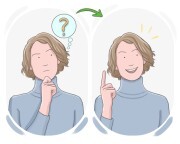
to realize
to realize
[動詞]

to have a sudden or complete understanding of a fact or situation

気づく,理解する

気づく,理解する

Ex: She realized the value of hard work after graduating from college. 

彼女は大学を卒業してから、懸命に働くことの価値を悟った。

to stare
to stare
[動詞]

to look at someone or something without moving the eyes or blinking, usually for a while, and often without showing any expression

じっと見る,凝視する

じっと見る,凝視する

Ex: While I was in the waiting room, I stared at the clock. 

待合室にいる間、私は時計をじっと見つめました。

to bear
to bear
[動詞]

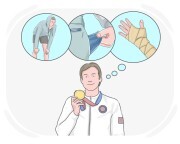
to allow the presence of an unpleasant person, thing, or situation without complaining or giving up

耐える,我慢する

耐える,我慢する

Ex: She had to bear the presence of her annoying coworker throughout the project. 

彼女はプロジェクトを通じてうるさい同僚の存在に耐えなければならなかった。

to blink
to blink
[動詞]

to open and close the eyes quickly and for a brief moment

瞬く,まばたきする

瞬く,まばたきする

Ex: The bright light made her blink. 

明るい光が彼女をまばたきさせた。

glare
glare
[名詞]

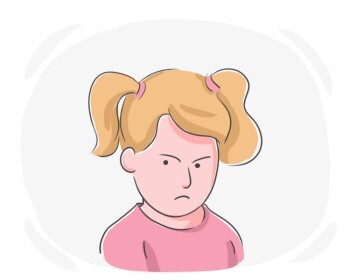
a long, angry, or hostile look

睨みつけること

睨みつけること

Ex: Emma gave him a cold glare across the table. 
to differentiate

to recognize or identify the differences between people or things
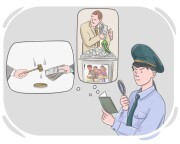
Ex: Young children often struggle to differentiate between fantasy and reality. 
to detect
to detect
[動詞]

to discover or notice something that is hidden, subtle, or difficult to perceive
Ex: The laboratory detected small amounts of mercury in the river water. 
to care
to care
[動詞]

to consider something or someone important and to have a feeling of worry or concern toward them

気にする,心配する

気にする,心配する

Ex: She cares deeply about the environment and recycles everything she can. 

彼女は環境を深く気にかけており、できる限りリサイクルしています。

difficulty
difficulty
[名詞]

a challenge or circumstance, typically encountered while trying to reach a goal or finish something

困難, 挑戦

困難, 挑戦

Ex: The difficulty of finding a good job increased due to the economic downturn. 

経済の低迷により、良い仕事を見つける難しさが増しました。

entire
entire
[形容詞]

involving or describing the whole of something

全体の,完全な

全体の,完全な

Ex: The entire class worked together to solve the math problem, pooling their knowledge and skills. 

クラス全員が協力して数学の問題を解き、知識とスキルを共有しました。

to taste
to taste
[動詞]

to have a specific flavor

味わう,味がする

味わう,味がする

Ex: This coffee tastes too bitter for me. 
to utter
to utter
[動詞]

to say or express something in spoken words

発する, 述べる

発する, 述べる

Ex: She couldn't believe he would utter such harsh words during their argument. 

彼女は、彼が彼らの議論中にそのような厳しい言葉を口にするとは信じられなかった。
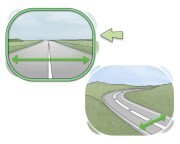
wide
wide
[形容詞]

having a large length from side to side

広い,幅広い

広い,幅広い

Ex: The river was over 30 feet wide at its widest point, making it a challenge to cross without a bridge. 

川は最も広い地点で30フィート以上の幅があり、橋なしで渡るのは挑戦だった。

snuffle
snuffle
[名詞]

the act of breathing noisily, especially when one has a cold or respiratory illness

鼻をすする音,うるさい呼吸

鼻をすする音,うるさい呼吸

Ex: His constant snuffle showed he had a cold. 

彼の絶え間ない鼻をすする音は、風邪をひいていることを示していた。

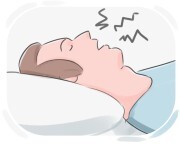
to snore
to snore
[動詞]

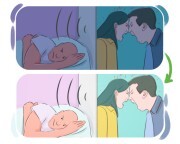
to breathe through one's nose and mouth in a noisy way while asleep

いびきをかく,ぐうぐう寝る

いびきをかく,ぐうぐう寝る

Ex: My roommate often snores loudly, keeping me awake at night. 

私のルームメイトはよく大きな音でいびきをかき、夜中に私を起こさせます。

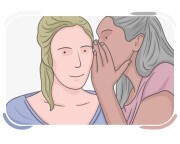
to whisper
to whisper
[動詞]

to speak very softly or quietly, usually to avoid being overheard by others who are nearby

ささやく,ひそひそ話す

ささやく,ひそひそ話す

Ex: The children giggled as they whispered to each other during storytime. 

子供たちはお話の時間に互いにささやきながら笑いました。

to investigate

to examine the facts of a crime, incident, or situation to discover the truth

Ex: Police are investigating the cause of the accident. 
LanGeek
LanGeekアプリをダウンロード