pattern

El libro Interchange - Principiante - Unidad 14 - Parte 2

Aquí encontrarás el vocabulario de la Unidad 14 - Parte 2 del libro de curso Interchange Beginner, como "océano", "leer", "peor", etc.

Revisión

Tarjetas de memoria

formas

Ortografía

Cuestionario

Empezar a aprender
Interchange - Beginner
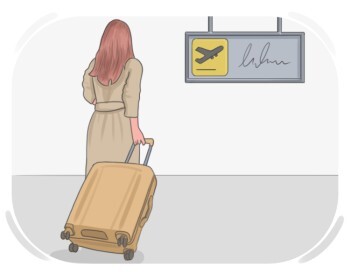
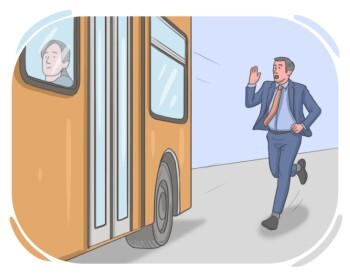
to leave
to leave
[Verbo]

to go away from somewhere

dejar

dejar

Ex: The bus will leave in five minutes, so be quick! 

El autobús saldrá en cinco minutos, ¡así que date prisa!

to lose
to lose
[Verbo]

to be deprived of or stop having someone or something

perder
perder

Ex: She began to lose interest in the project as it became more complicated. 

Ella comenzó a perder interés en el proyecto a medida que se volvía más complicado.

to make
to make
[Verbo]

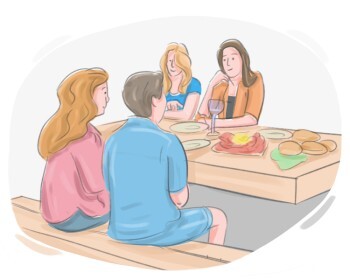
to form, produce, or prepare something, by putting parts together or by combining materials

hacer
hacer

Ex: The factory workers make thousands of cars every month. 

Los trabajadores de la fábrica fabrican miles de coches cada mes.

to meet
to meet
[Verbo]

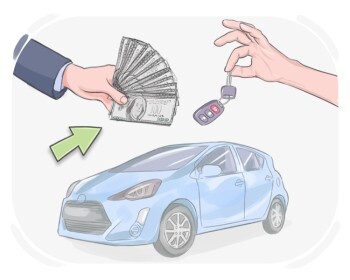
to come together as previously scheduled for social interaction or a prearranged purpose

encontrarse, reunirse
encontrarse, reunirse

Ex: We should meet at the theater before the movie starts. 

Deberíamos encontrarnos en el teatro antes de que comience la película.

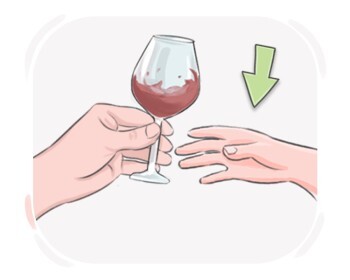
to pay
to pay
[Verbo]

to give someone money in exchange for goods or services

pagar

pagar

Ex: He paid the cleaning service to tidy up the house. 

Él pagó el servicio de limpieza para ordenar la casa.

to put
to put
[Verbo]

to move something or someone from one place or position to another

poner

poner

Ex: She put the child in the car seat. 

Ella puso al niño en el asiento del coche.

to read
to read
[Verbo]

to look at written or printed words or symbols and understand their meaning

leer
leer

Ex: It's important to read the terms and conditions before agreeing. 

Es importante leer los términos y condiciones antes de aceptar.

to ride
to ride
[Verbo]

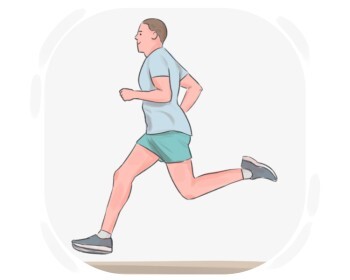
to sit on open-spaced vehicles like motorcycles or bicycles and be in control of their movements

montar, conducir
montar, conducir

Ex: Participants in the off-road rally eagerly prepared to ride their dirt bikes through challenging trails in the desert. 

Los participantes del rally todoterreno se preparaban con entusiasmo para montar sus motos de cross por senderos desafiantes en el desierto.

to run
to run
[Verbo]

to move using our legs, faster than we usually walk, in a way that both feet are never on the ground at the same time

correr
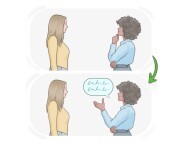
correr

Ex: Excited to see us, she came running across the park. 

Emocionada de vernos, vino corriendo por el parque.

to say
to say
[Verbo]

to use words and our voice to show what we are thinking or feeling

decir
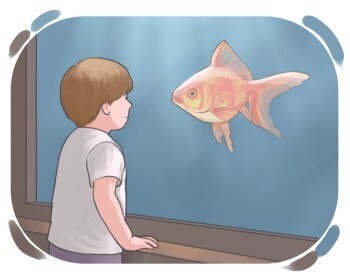
decir

Ex: She said she loved the gift I gave her. 

Ella dijo que le encantaba el regalo que le di.

to see
to see
[Verbo]

to notice a thing or person with our eyes

ver
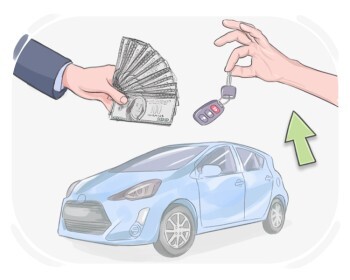
ver

Ex: He saw a stranger walking toward him on the sidewalk. 

Él vio a un extraño caminando hacia él en la acera.

to sell
to sell
[Verbo]

to give something to someone in exchange for money

vender

vender

Ex: Do you think they'll sell their old bicycles at the flea market? 

¿Crees que venderán sus bicicletas viejas en el mercado de pulgas?

to send
to send
[Verbo]

to have a person, letter, or package physically delivered from one location to another, specifically by mail

enviar
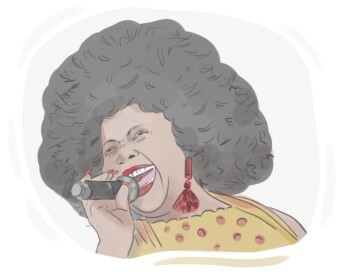
enviar

Ex: She decided to send a handwritten letter to her friend who lived overseas. 

Ella decidió enviar una carta escrita a mano a su amigo que vivía en el extranjero.

to sing
to sing
[Verbo]

to use one's voice in order to produce musical sounds in the form of a tune or song

cantar
cantar

Ex: He sings a duet with his sister at the family gathering. 

Él canta un dúo con su hermana en la reunión familiar.

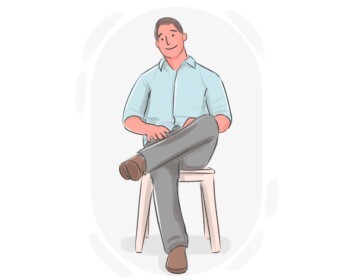
to sit
to sit
[Verbo]

to put our bottom on something like a chair or the ground while keeping our back straight

sentarse
sentarse

Ex: He enjoys going to the park to sit and watch the ducks in the pond. 

Disfruta ir al parque para sentarse y ver los patos en el estanque.

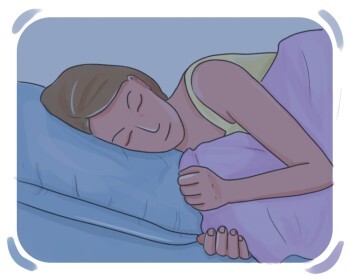
to sleep
to sleep
[Verbo]

to rest our mind and body, with our eyes closed

dormir

dormir

Ex: I often have vivid dreams when I sleep deeply. 

A menudo tengo sueños vívidos cuando duermo profundamente.

to speak
to speak
[Verbo]

to use one's voice to express a particular feeling or thought

hablar

hablar

Ex: She was so nervous she could hardly speak. 

Estaba tan nerviosa que apenas podía hablar.

to spend
to spend
[Verbo]

to use money as a payment for services, goods, etc.

gastar
gastar

Ex: He asked how much she spent on the concert tickets. 

Preguntó cuánto había gastado en las entradas del concierto.

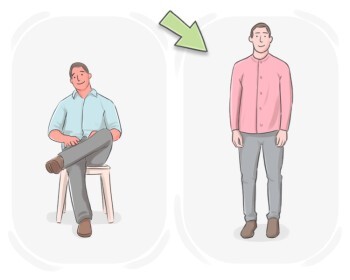
to stand
to stand
[Verbo]

to be upright on one's feet

estar de pie
estar de pie

Ex: My grandmother stands near the entrance to greet guests. 

Mi abuela se para cerca de la entrada para saludar a los invitados.

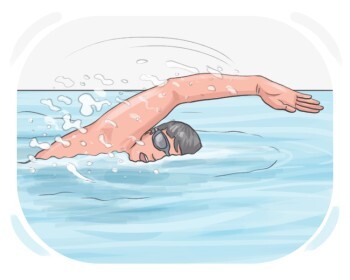
to swim
to swim
[Verbo]

to move through water by moving parts of the body, typically arms and legs

nadar

nadar

Ex: While I was swimming at the lake, I found a seashell. 

Mientras nadaba en el lago, encontré una concha marina.

to take
to take
[Verbo]

to reach for something and hold it

tomar

tomar

Ex: May I take your coat and hat, sir? 

¿Puedo tomar su abrigo y sombrero, señor?

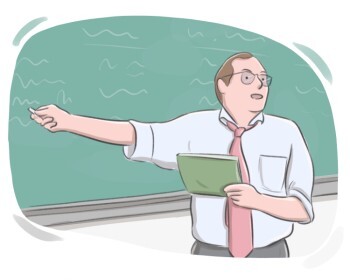
to teach
to teach
[Verbo]

to give lessons to students in a university, college, school, etc.

enseñar
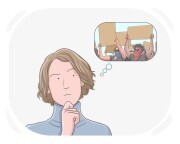
enseñar

Ex: I decided to leave my stressful job and teach painting at the community center. 

Decidí dejar mi trabajo estresante y enseñar pintura en el centro comunitario.

to think
to think
[Verbo]

to have a type of belief or idea about a person or thing

pensar
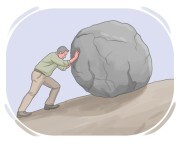
pensar

Ex: I think that the company should focus on sustainability. 

Yo pienso que la empresa debería centrarse en la sostenibilidad.

to try
to try
[Verbo]

to make an effort or attempt to do or have something

intentar
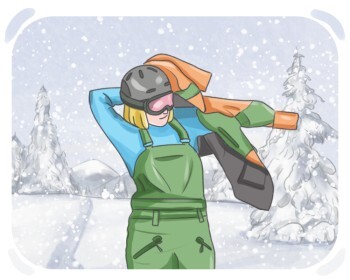
intentar

Ex: She tried to bake a cake but it didn't turn out well. 

Ella intentó hornear un pastel pero no salió bien.

to wear
to wear
[Verbo]

to have something such as clothes, shoes, etc. on your body

llevar
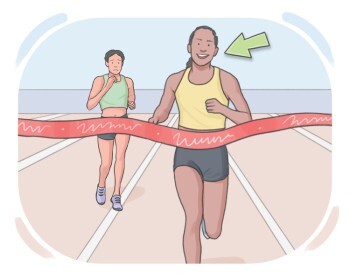
llevar

Ex: The students were instructed to wear their school uniforms every day. 

Se les indicó a los estudiantes que usaran sus uniformes escolares todos los días.

to win
to win
[Verbo]

to become the most successful, the luckiest, or the best in a game, race, fight, etc.

ganar
ganar

Ex: Did the home team win the basketball game last night? 

¿Ganó el equipo local el partido de baloncesto anoche?

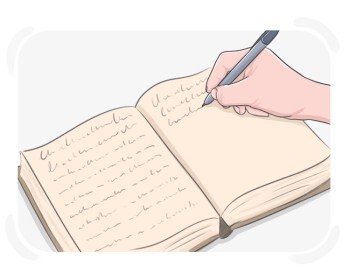
to write
to write
[Verbo]

to make letters, words, or numbers on a surface, usually on a piece of paper, with a pen or pencil

escribir

escribir

Ex: They grabbed a marker to write a message on the whiteboard. 

Agarraron un marcador para escribir un mensaje en la pizarra.

the ocean
the ocean
[Sustantivo]

the great mass of salt water that covers most of the earth's surface

océano

océano

Ex: The ocean depths are still largely unexplored. 

Las profundidades del océano todavía están en gran parte inexploradas.

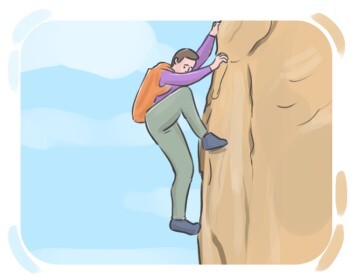
to climb
to climb
[Verbo]

to go up mountains, cliffs, or high natural places as a sport

escalar
escalar

Ex: The experienced instructor patiently taught the group how to climb safely. 

El instructor experimentado enseñó pacientemente al grupo cómo escalar de manera segura.

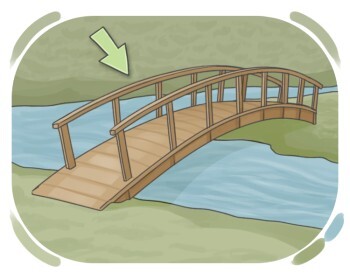
bridge
bridge
[Sustantivo]

a structure built over a river, road, etc. that enables people or vehicles to go from one side to the other

puente

puente

Ex: She paused on the bridge to take photographs of the city skyline. 

Se detuvo en el puente para tomar fotografías del horizonte de la ciudad.

worst
worst
[Adjetivo]

most morally wrong, harmful, or wicked

peor, el más malo

peor, el más malo

Ex: She believed betrayal was the worst kind of sin. 

Ella creía que la traición era el peor tipo de pecado.

wedding
wedding
[Sustantivo]

a ceremony or event where two people are married

boda, matrimonio

boda, matrimonio

Ex: They planned a beach wedding for their special day. 

Planearon una boda en la playa para su día especial.

quiet
quiet
[Adjetivo]

with little or no noise

silencioso, tranquilo
silencioso, tranquilo

Ex: The quiet street was a welcome change from the bustling city. 

La calle tranquila fue un cambio bienvenido del bullicioso de la ciudad.

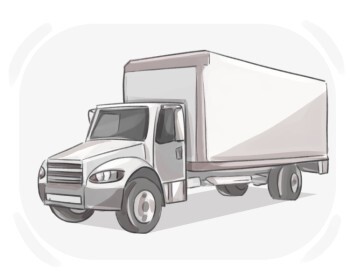
truck
truck
[Sustantivo]

a large road vehicle used for carrying goods

camión

camión

Ex: The truck's engine roared as it climbed the steep hill. 

El motor del camión rugía mientras subía la empinada colina.

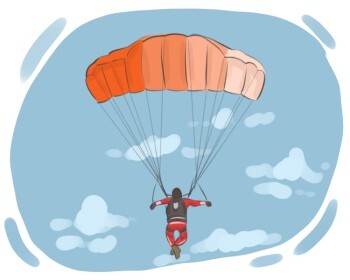
parasailing
parasailing
[Sustantivo]

an activity where a person is attached to a parachute and towed behind a boat, allowing them to fly in the air and enjoy a view of the surroundings from above

parapente acuático, parasailing

parapente acuático, parasailing

Ex: The resort offers activities like jet skiing and parasailing. 

El complejo ofrece actividades como el jet ski y el parapente.

amazing
amazing
[Adjetivo]

extremely surprising, particularly in a good way

asombroso, increíble

asombroso, increíble

Ex: The view from the top of the mountain was amazing, with endless forests below. 

La vista desde la cima de la montaña era increíble, con bosques interminables abajo.
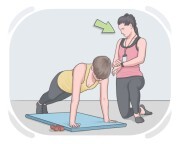
instructor
instructor
[Sustantivo]

a person who teaches a practical skill or sport to someone

instructor

instructor

Ex: Our scuba diving instructor taught us important safety measures. 

Nuestro instructor de buceo nos enseñó medidas de seguridad importantes.
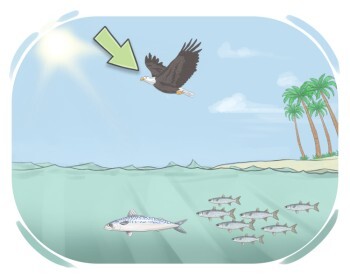
above
above
[Adverbio]

in, at, or to a higher position

arriba

arriba

Ex: The bird hovered silently above. 

El pájaro se cernía en silencio arriba.

scary
scary
[Adjetivo]

making us feel fear

de miedo

de miedo

Ex: She thinks thunderstorms are scary. 

Ella cree que las tormentas son aterradoras.
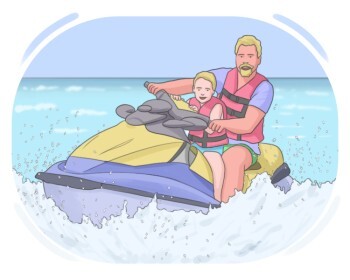
exciting
exciting
[Adjetivo]

making us feel interested, happy, and energetic

emocionante

emocionante

Ex: The fireworks display was really exciting and lit up the whole sky. 

El espectáculo de fuegos artificiales fue realmente emocionante e iluminó todo el cielo.
chore
chore
[Sustantivo]

a task, especially a household one, that is done regularly

tarea, faena

tarea, faena

Ex: Washing dishes is a chore that no one enjoys, but it has to be done. 

Lavar los platos es una tarea que nadie disfruta, pero hay que hacerlo.

awesome
awesome
[Adjetivo]

extremely good and amazing

genial

genial

Ex: The concert was awesome, with incredible light and sound effects. 

El concierto fue increíble, con efectos de luz y sonido increíbles.

LanGeek
Descargar la aplicación LanGeek