
Książka Interchange - Początkujący - Jednostka 14 - Część 2
Tutaj znajdziesz słownictwo z Unit 14 - Część 2 podręcznika Interchange Beginner, takie jak "ocean", "czytać", "najgorszy" itp.
Przegląd
Fiszki
formy
Pisownia
Test
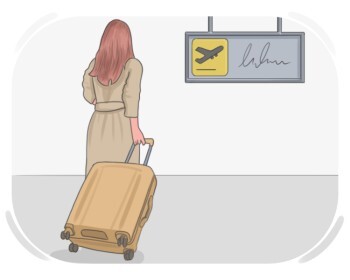
to go away from somewhere

wyjść, opuścić
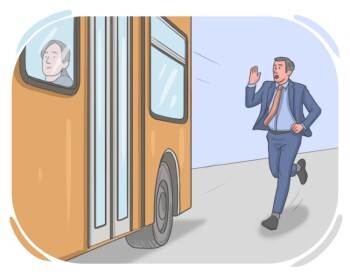
to be deprived of or stop having someone or something
stracić, być pozbawionym
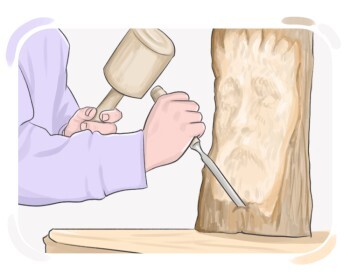
to form, produce, or prepare something, by putting parts together or by combining materials
robić, wytwarzać
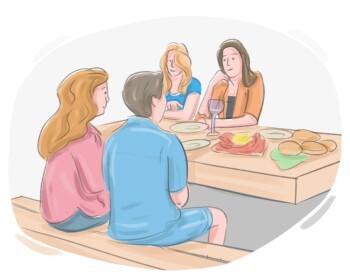
to come together as previously scheduled for social interaction or a prearranged purpose
spotkać się, zebrać się
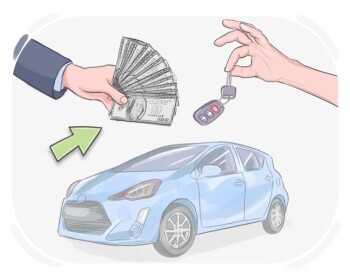
to give someone money in exchange for goods or services
płacić, wynagradzać
to move something or someone from one place or position to another
kłaść, umieszczać
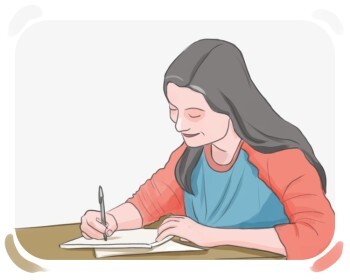
to look at written or printed words or symbols and understand their meaning
czytać, czytanie
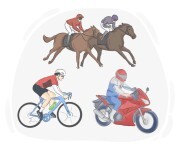
to sit on open-spaced vehicles like motorcycles or bicycles and be in control of their movements
jechać, jeździć
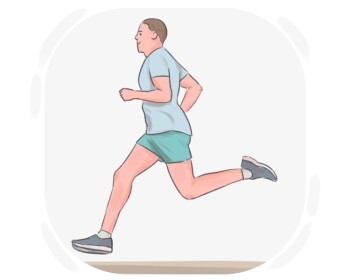
to move using our legs, faster than we usually walk, in a way that both feet are never on the ground at the same time
biegać
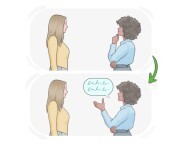
to use words and our voice to show what we are thinking or feeling
mówić, powiedzieć
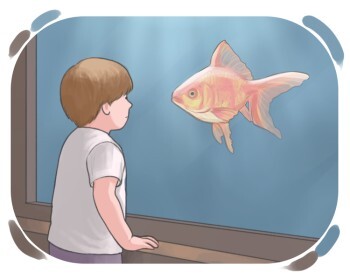
to notice a thing or person with our eyes
widzieć, zauważyć
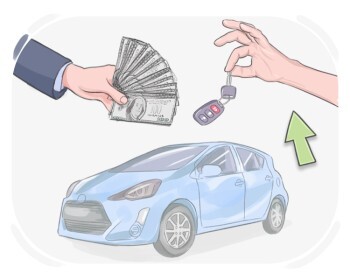
to give something to someone in exchange for money
sprzedawać, handlować
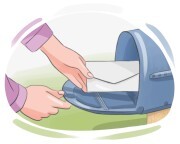
to have a person, letter, or package physically delivered from one location to another, specifically by mail
wysłać
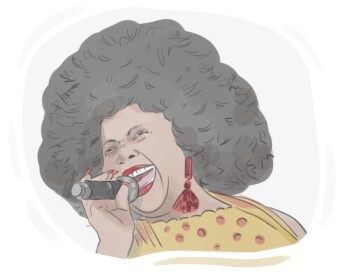
to use one's voice in order to produce musical sounds in the form of a tune or song
śpiewać
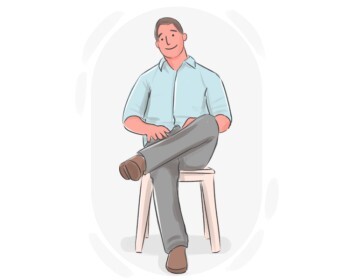
to put our bottom on something like a chair or the ground while keeping our back straight
siedzieć, usiadać
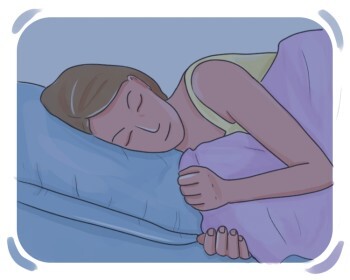
to rest our mind and body, with our eyes closed
spać, odpoczywać

to use one's voice to express a particular feeling or thought
mówić, wyrażać
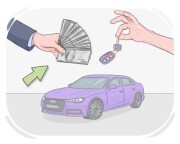
to use money as a payment for services, goods, etc.
wydawać, przeznaczać
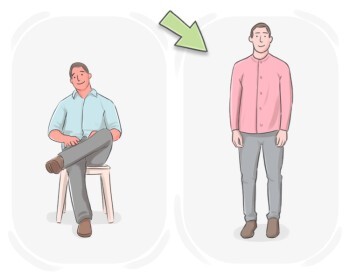
to be upright on one's feet
stać, pozostać na nogach
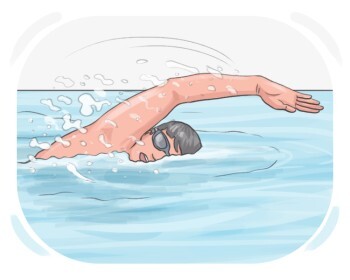
to move through water by moving the arms and legs or, in animals, other parts of the body
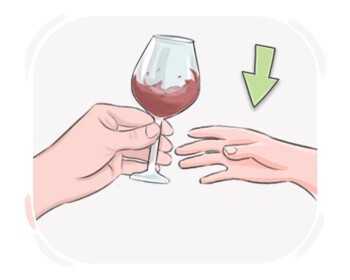
to reach for something and hold it
brać, chwytać
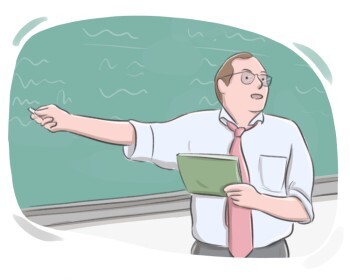
to give lessons to students in a university, college, school, etc.
uczyć, prowadzić zajęcia
to have a type of belief or idea about a person or thing
myśleć, wierzyć
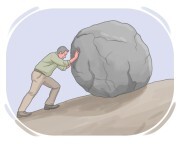
to make an effort or attempt to do or have something
próbować, starać się
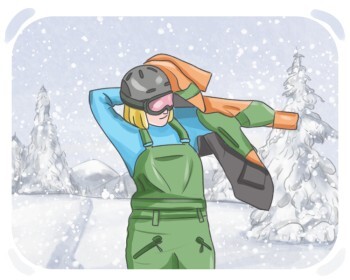
to have something such as clothes, shoes, etc. on your body
nosić, ubierać
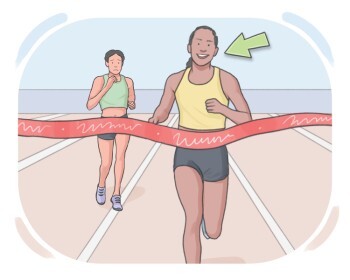
to become the most successful, the luckiest, or the best in a game, race, fight, etc.
wygrać, zwyciężyć
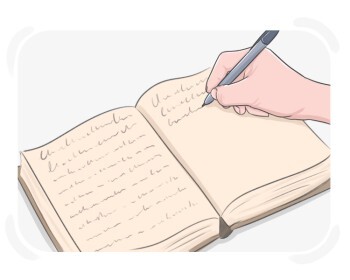
to make letters, words, or numbers on a surface, usually on a piece of paper, with a pen or pencil
pisać
the vast body of salt water that covers most of Earth's surface
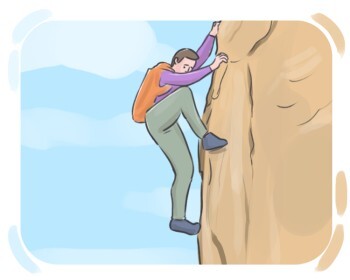
to go up mountains, cliffs, or high natural places as a sport
wspinać się, wchodzić
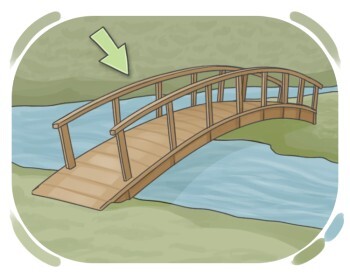
a structure built over a river, road, etc. that enables people or vehicles to go from one side to the other
most

most morally wrong, harmful, or wicked
najgorszy, najbardziej nikczemny
Ze wszystkich podejrzanych wydawał się najgorszy pod względem charakteru.
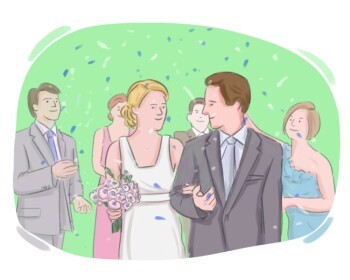
a ceremony or event where two people are married
ślub, wesele

with little or no noise
cichy, spokojny
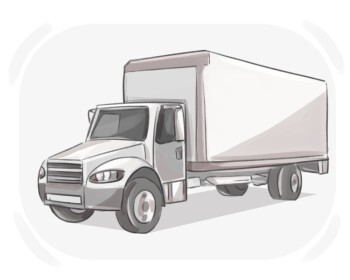
a large motor vehicle designed to carry goods or heavy loads by road
a large motor vehicle designed to carry goods or heavy loads by road
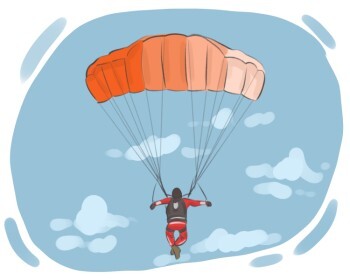
an activity where a person is attached to a parachute and towed behind a boat, allowing them to fly in the air and enjoy a view of the surroundings from above
parasailing, lot na spadochronie za łodzią
Silne wiatry opóźniły sesję paralotniarstwa z powodów bezpieczeństwa.
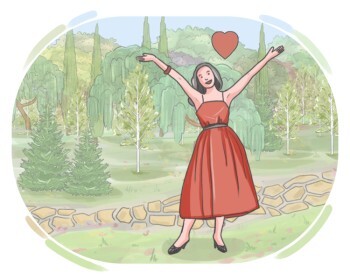
extremely surprising, particularly in a good way
niesamowity, zadziwiający
Otrzymał niesamowity prezent od swoich dziadków na urodziny.
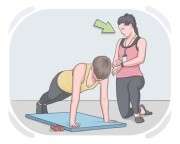
a person who teaches a practical skill or sport to someone
instruktor, trener
Ona jest instruktorką jogi w lokalnym ośrodku społecznościowym.
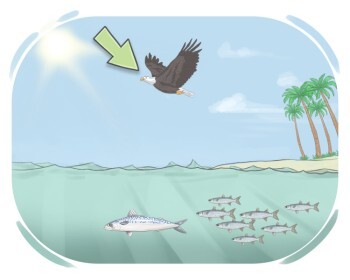
in, at, or to a higher position
powyżej, wyżej
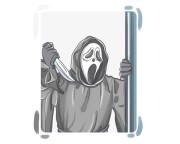
making us feel fear
straszny, przerażający
Dentysta jest straszny dla wielu dzieci.
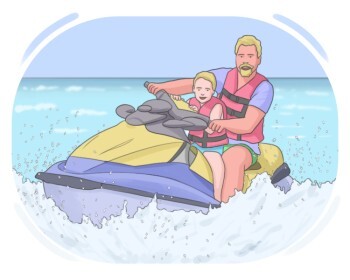
making us feel interested, happy, and energetic
ekscytujący, pasjonujący
Mecz piłki nożnej był bardzo ekscytujący, obie drużyny strzeliły w ostatnich minutach.
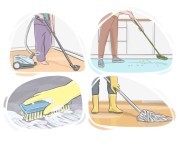
a task, especially a household one, that is done regularly
obowiązek domowy, zadanie
Dzieciom przydziela się określone obowiązki, aby pomóc im nauczyć się odpowiedzialności.
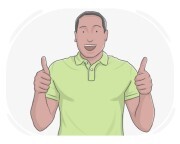
extremely good and amazing
wspaniały, niesamowity
Przejażdżka rollercoasterem była niesamowita i pełna zakrętów.
| Książka Interchange - Początkujący | |||
|---|---|---|---|
| Jednostka 10 - Część 2 | Jednostka 11 - Część 1 | Jednostka 11 - Część 2 | Jednostka 11 - Część 3 |
| Jednostka 12 - Część 1 | Jednostka 12 - Część 2 | Jednostka 13 - Część 1 | Jednostka 13 - Część 2 |
| Jednostka 14 - Część 1 | Jednostka 14 - Część 2 | Jednostka 15 | Jednostka 16 |
