
Lista de palabras SAT 4 - Lección 45
Revisión
Tarjetas de memoria
formas
Ortografía
Cuestionario
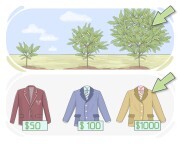
to the highest degree

muy
Ella es bastante talentosa en la pintura.
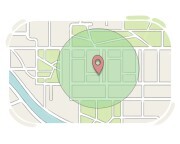
at a location close to a specified point
por ahí, por los alrededores
La vieja casa estaba ubicada cerca del lago, por ahí.

in an unfriendly and cold manner
glacialmente
El gerente habló fríamente, sin dejar espacio para más discusión sobre el asunto.
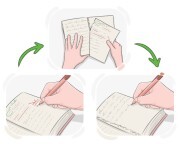
from the beginning but in a new or fresh manner
de nuevo
El equipo comenzó el experimento de nuevo para corregir los errores.
lifted to a higher state or level
arriba
El himno alegre elevó sus emociones hacia lo alto.
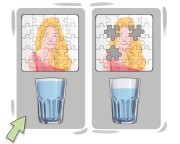
to a full or complete degree
completamente, totalmente, enteramente
El éxito del equipo fue totalmente atribuido a sus esfuerzos colaborativos.
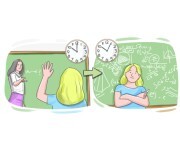
with little difficulty or trouble
fácilmente, sin problemas
Las piezas de repuesto para la máquina no se obtienen fácilmente.
being something as a fact although not legally accepted
de facto
El pueblo tenía una política de facto de acoger a refugiados, aunque no había una ley formal al respecto.
to be consistent with, match, or agree with something
comportarse
Su comportamiento no se ajusta a los valores de la organización.

to abandon a person or an organization when they are in need or at a critical moment
abandonar

to avoid a thing or doing something on purpose
evitar
Algunos inversores evitan las acciones riesgosas y prefieren opciones de inversión más estables y conservadoras.

to strongly encourage someone to take action
impeler
La carta sincera de un partidario impulsa al político a seguir abogando por la justicia social.
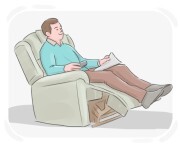
to relax lazily
apoltronarse
Ella tiende a holgazanear en la cama las mañanas perezosas de domingo.
to reduce or calm fears, doubts, or other negative emotions
sofocar
El comportamiento tranquilo del médico ayudó a calmar los temores del paciente antes de la cirugía.
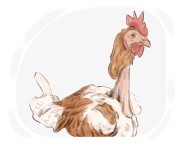
(of animals or birds) to lose hair, feathers, etc. temporarily before they grow back
mudar
Cada año, el perro muda, dejando mechones de pelo por toda la casa.
| Lista de palabras SAT 4 | |||
|---|---|---|---|
| Lección 41 | Lección 42 | Lección 43 | Lección 44 |
| Lección 45 | Lección 46 | Lección 47 | Lección 48 |
| Lección 49 | Lección 50 | ||
