pattern

Verbos de Movimiento - Verbos para el movimiento utilizando vehículos

Aquí aprenderás algunos verbos en inglés que se refieren al movimiento utilizando vehículos como "pedalear", "montar" y "dirigir".

Revisión

Tarjetas de memoria

formas

Ortografía

Cuestionario
Empezar a aprender
Categorized English Verbs of Movement
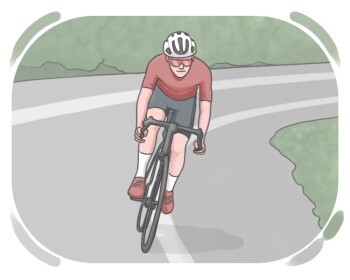
to cycle
to cycle
[Verbo]

to ride or travel on a bicycle or motorbike

ciclear, montar en bicicleta

ciclear, montar en bicicleta

Ex: They decided to cycle to the nearby town instead of driving. 
to bike
to bike
[Verbo]

to travel somewhere by bicycle

ir en bici

ir en bici

Ex: Daniel is biking home from the train station. 
to pedal
to pedal
[Verbo]

to propel and operate a bicycle or other pedal-powered vehicle

pedalear

pedalear

Ex: In the park, families can be seen pedaling tandem bicycles. 

En el parque, se pueden ver familias pedaleando bicicletas tándem.
to fly
to fly
[Verbo]

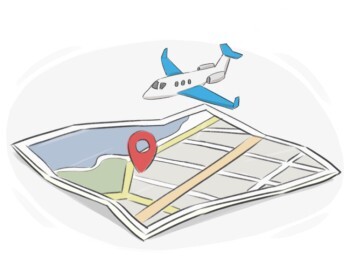
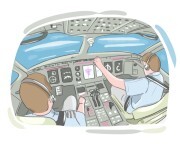
to transport people, goods, or cargo in an aircraft

transportar, llevar
transportar, llevar

Ex: During disasters or emergencies, relief organizations fly essential supplies and humanitarian aid to affected regions. 
to pilot
to pilot
[Verbo]

to operate or fly an aircraft or spacecraft

pilotar, manejar

pilotar, manejar

Ex: The trainee pilot practiced how to pilot a small propeller plane under the guidance of the instructor. 
to aviate
to aviate
[Verbo]

to fly an aircraft

pilotar, volar

pilotar, volar

Ex: In aviation school, students are taught not only to navigate but also to aviate skillfully. 

En la escuela de aviación, a los estudiantes se les enseña no solo a navegar sino también a volar con habilidad.
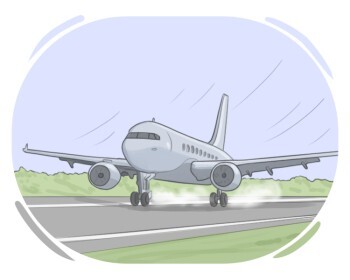
to land
to land
[Verbo]

to safely bring an aircraft down to the ground or the surface of water

aterrizar

aterrizar

Ex: During the training session, the student pilot practiced how to land the small plane safely. 
to touch down

(of an aircraft or spacecraft) to land on the ground

aterrizar una aeronave o nave espacial en tierra, tocar tierra con las ruedas al aterrizar

aterrizar una aeronave o nave espacial en tierra, tocar tierra con las ruedas al aterrizar

Ex: The seaplane smoothly touched down on the calm waters of the lake. 

El hidroavión aterrizó suavemente en las aguas tranquilas del lago.
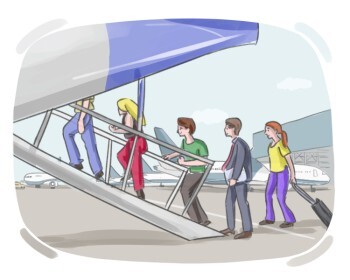
to board
to board
[Verbo]

to get on a means of transportation such as a train, bus, aircraft, ship, etc.

subirse a, embarcarse

subirse a, embarcarse

Ex: The cruise ship's staff guided passengers on how to board the vessel safely. 
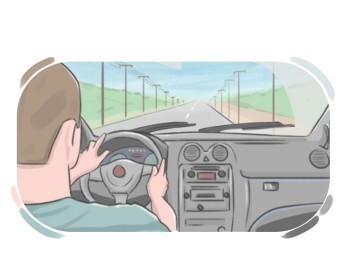
to ride
to ride
[Verbo]

to travel in a vehicle such as a bus, car, etc.

ir
ir

Ex: In the crowded city, it's often more convenient to ride a taxi than to navigate public transportation. 
to drive
to drive
[Verbo]

to control the movement and the speed of a car, bus, truck, etc. when it is moving

conducir
conducir

Ex: I like to drive along scenic routes to enjoy the countryside. 
to steer
to steer
[Verbo]

to control the direction in which a vehicle, boat, or other moving object travels

manejar

manejar

Ex: The pilot steered the aircraft away from the storm. 
to helm
to helm
[Verbo]

to control and guide the course of a ship

timonear, gobernar

timonear, gobernar

Ex: During the storm, the first mate helmed the sailboat, navigating turbulent seas with steady expertise. 

Durante la tormenta, el primer oficial timoneó el velero, navegando por mares turbulentos con una habilidad constante.
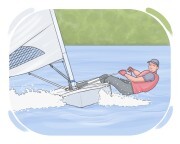
to sail
to sail
[Verbo]

to travel on water using the power of wind or an engine

navegar
navegar

Ex: In favorable conditions, the small dinghy sailed effortlessly across the serene lake. 
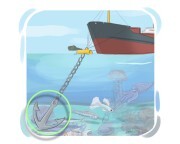
to anchor
to anchor
[Verbo]

to moor a ship or boat to the bottom of the sea to stop it from moving away

anclar

anclar

Ex: They anchored the houseboat in a calm inlet, enjoying the tranquility of the surrounding nature and water. 

Anclaron la casa flotante en una ensenada tranquila, disfrutando de la tranquilidad de la naturaleza circundante y el agua.
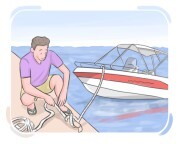
to dock
to dock
[Verbo]

to bring a boat or ship to a dock and secure it there

atracar,  amarrar

atracar, amarrar

Ex: The crew carefully docked the ferry in strong winds. 
to punt
to punt
[Verbo]

to propel or navigate a flat-bottomed boat, known as a punt

impulsar una barca de fondo plano, navegar en una punt

impulsar una barca de fondo plano, navegar en una punt

Ex: In Cambridge, it's a popular pastime for visitors to punt on the River Cam. 

En Cambridge, es un pasatiempo popular para los visitantes punt en el río Cam.
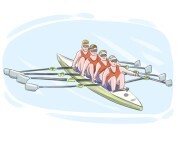
to row
to row
[Verbo]

to move a boat or other watercraft through water using oars or paddles

remar, bogar
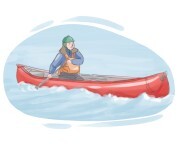
remar, bogar

Ex: In the open sea, the experienced sailors rowed the lifeboat back to the ship. 
to canoe
to canoe
[Verbo]

to travel or move in a small, narrow boat typically using paddles for moving

navegar en canoa,  remar

navegar en canoa, remar

Ex: Seeking a unique fitness routine, she and her friends decided to canoe regularly. 

Buscando una rutina de fitness única, ella y sus amigos decidieron canotaje regularmente.
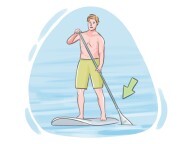
to paddle
to paddle
[Verbo]

to move a watercraft through the water using a handheld implement with a broad blade

palear, remar

palear, remar

Ex: The experienced athlete effortlessly paddled across the calm lake. 

El atleta experimentado remó sin esfuerzo a través del lago tranquilo.
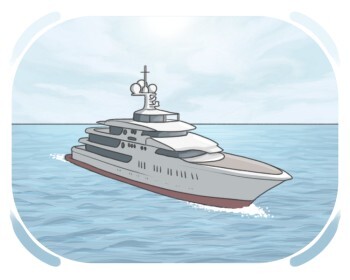
to yacht
to yacht
[Verbo]

to sail, cruise, or race in a yacht

navegar en yate,  pasear en yate

navegar en yate, pasear en yate

Ex: Sarah has yachted in the Caribbean several times. 
to ground
to ground
[Verbo]

(of a vessel) to come into contact with the seabed, usually in shallow water

encallar, varar

encallar, varar

Ex: To prevent grounding in the narrow channel, the pilot carefully guided the ship through the tricky passage. 
LanGeek
Descargar la aplicación LanGeek